rat removal Sydney

How Much Does Rat Removal Sydney Cost in 2025? Full Pricing Guide Explained

What Are the Benefits of Professional Rat Removal Services in Sydney?

Professional rat removal offers immediate protection for your property and health. Rats reproduce quickly—if left unchecked, a single pair can have up to 2,000 offspring in a year. Taking swift action can prevent damage to your building, food contamination, and the spread of diseases.

Health and Safety Advantages

Qualified pest control experts specialising in rat removal Sydney eliminate risks that DIY methods cannot address:

  • Disease prevention: Rats carry leptospirosis, salmonella, and hantavirus
  • Proper handling: Technicians safely manage rodenticides and traps away from children and pets
  • Complete eradication: Professionals locate hidden nests in wall cavities, roof spaces, and subfloors
  • Contamination cleanup: Expert removal of droppings and urine that harbor pathogens

Long-Term Cost Savings

Hiring specialists prevents recurring infestations. Licensed technicians identify entry points, assess structural vulnerabilities, and implement targeted solutions. They understand rat behavior patterns and seasonal activity peaks in Sydney’s climate.

Professional services include follow-up inspections to verify treatment success. This comprehensive approach costs less than repeated DIY attempts that fail to address root causes. Technicians also provide documentation required for property transactions and insurance claims.

The expertise of professional rat removal benefits Sydney homeowners through guaranteed results, proper licensing, and insurance coverage that protects against accidental property damage during treatment.

What Is the Typical Cost Range for Rat Removal Services in Sydney in 2025?

Rat removal cost Sydney 2025 typically ranges from $180 to $440 for professional services. Most Sydney homeowners can expect to pay around $220 to $380 for standard rodent control treatments, with the average 3 or 4 bedroom house requiring approximately $330 including GST.

The pricing spectrum reflects the diverse nature of rat infestations across Sydney properties. Entry-level treatments at the lower end ($180-$220) generally cover minor infestations in smaller properties, while comprehensive treatments for larger homes or severe infestations push costs toward the upper range.

Property Size Directly Impacts Treatment Costs

The square meterage of your property plays a significant role in determining final costs. Larger homes require more bait stations, traps, and treatment product to ensure complete coverage. A compact apartment might need only 4-6 bait stations, whereas a sprawling suburban home could require 15-20 stations strategically placed throughout the property. For accurate estimates on treatment needs based on your home’s size, consider using a square footage calculator.

Standard pricing by property type:

  • Small apartments/units: $180-$250
  • 2 bedroom homes: $220-$300
  • 3-4 bedroom homes: $300-$380
  • Large properties (5+ bedrooms): $380-$440+

Infestation Severity Changes the Price Structure

The extent of your rat problem significantly affects treatment complexity and cost. A mild infestation spotted early might only require basic baiting and monitoring, keeping expenses at the lower end. Severe infestations demand intensive treatment protocols, multiple service visits, and larger quantities of control products.

Pest control technicians assess infestation severity through visible signs: droppings quantity, gnaw marks, grease trails, and active rat sightings. Properties with established rat colonies living in wall cavities or roof spaces require more extensive intervention than homes catching the problem during early stages.

Treatment Frequency and Service Visits

Initial treatments often include follow-up visits to monitor effectiveness and replenish bait stations. Single-visit treatments cost less than comprehensive packages including 2-3 follow-up inspections. Many Sydney pest control companies bundle initial treatment with one follow-up visit in their standard pricing, while additional inspections may incur extra charges.

It’s essential to understand that engaging professional rodent control services is crucial when dealing with severe infestations due to their expertise and access to advanced treatment methods.

How Do Different Treatment Methods Affect Rat Removal Costs?

The treatment method selected directly impacts the final price of rat removal services in Sydney. Pest control companies typically offer three primary approaches: chemical sprays, baiting systems, and fumigation, each with distinct cost implications.

1. Chemical Sprays

Chemical sprays represent the most budget-friendly option for rat removal methods cost Sydney residents can choose. These treatments involve applying liquid pesticides to areas where rats travel and nest. The lower price point stems from the quick application process and minimal material costs. Most providers charge between $180 and $280 for spray treatments in standard residential properties.

2. Baiting Systems

Baiting systems sit in the mid-range pricing category and remain the most popular choice among Sydney homeowners. Technicians strategically place rodenticide baits in tamper-resistant stations around the property. This method costs between $220 and $440 for a typical 3-4 bedroom house. The price reflects the need for multiple bait stations, follow-up visits to replenish consumed bait, and the removal of dead rodents.

3. Fumigation

Fumigation commands the highest price tag due to its intensive nature and specialized equipment requirements. This method involves sealing the property and releasing gas to eliminate rats throughout the entire structure. Fumigation becomes necessary for severe infestations or when rats have infiltrated wall cavities and roof spaces that other methods cannot reach effectively. Costs typically start at $400 and can exceed $800 for larger properties.

The severity of your infestation also determines which method proves most cost-effective. A minor rat problem might only require baiting, while an established colony spreading through multiple areas may need a combination approach. Technicians often recommend starting with baiting for moderate infestations, reserving fumigation for cases where other methods have failed or the infestation has reached critical levels.

Are There Additional Services That Can Increase Rat Removal Costs in Sydney?

Exclusion and proofing services typically add $300 to $800 to your rat removal bill. These preventative measures address the root cause by sealing entry points and reinforcing vulnerable areas where rats might gain access to your property.

Pest control professionals often recommend these services after completing initial rat removal treatments. The logic is straightforward: eliminating existing rats solves the immediate problem, but without proper exclusion work, new rats will simply move into the vacated territory.

What Do Exclusion Services Include?

Exclusion work involves identifying and sealing potential entry points throughout your property. Technicians inspect areas such as:

  • Gaps around pipes and utility lines
  • Cracks in foundations and exterior walls
  • Damaged roof tiles and eaves
  • Ventilation openings without proper mesh screens
  • Gaps beneath doors and garage entries

The materials used for sealing vary based on the location and size of openings. Steel wool, copper mesh, expanding foam, and metal flashing are common solutions that rats cannot chew through.

Understanding Proofing Services

Proofing goes beyond simple gap-filling. This comprehensive approach modifies your property to make it inherently less attractive and accessible to rodents. Services might include installing door sweeps, replacing damaged weatherstripping, adding wire mesh to vulnerable areas, and securing potential nesting sites.

The additional pest services pricing Sydney market reflects the labour-intensive nature of this work. A thorough exclusion job for an average home requires several hours of detailed inspection and implementation. Larger properties or those with extensive vulnerabilities naturally command higher prices within the $300 to $800 range.

When considering How Much Does Rat Removal Sydney Cost in 2025? Full Pricing Guide Explained, these additional services represent a worthwhile investment. Properties that undergo proper exclusion work experience significantly fewer repeat infestations, potentially saving thousands in future pest control expenses.

rat removal Sydney

How Does Rat Removal Pricing Compare to Other Pest Control Services in Sydney?

Rodent control sits in the mid-range of pest management costs when compared to other common treatments in Sydney. At $180 to $440 for standard rat removal services, homeowners face considerably lower expenses than those dealing with termite problems.

Rodent Control vs Termite Treatment Cost Comparison

The price difference becomes stark when examining termite treatments. Professional termite control typically starts at $2,000 and can exceed $5,000 for comprehensive barrier treatments or baiting systems. This makes rat removal approximately 80-90% less expensive than termite management.

Several factors explain this pricing gap:

  • Treatment complexity: Termite treatments require specialized chemicals, extensive property modifications, and long-term monitoring systems
  • Property damage risk: Termites cause structural damage worth thousands, justifying higher prevention costs
  • Treatment duration: Termite solutions often involve multi-year warranties and ongoing maintenance, while rat removal is generally a one-time or short-term service
  • Equipment requirements: Termite treatments need specialized drilling equipment and chemical injection systems

Bed bug treatments fall between these two extremes, typically costing $800 to $2,500 depending on infestation severity. General pest control packages for common insects like cockroaches and spiders range from $150 to $350, placing them in a similar bracket to rodent services.

Are Discounts Available for Combined Pest Control Treatments?

Can bundling services reduce your rat removal expenses? Many Sydney pest control companies offer package deals when you combine rat removal with other general pest treatments, potentially saving 10-20% on total costs.

Pest control providers understand that properties facing rodent problems often have multiple pest issues at the same time. It makes sense for them to combine treatments—technicians can tackle different problems in one visit, which saves on travel time and labor costs. These savings usually get passed on to customers through pest control discounts Sydney residents can take advantage of.

Common bundled service combinations include:

  • Rat removal paired with cockroach treatment
  • Rodent control combined with spider management
  • Mice elimination bundled with ant prevention
  • Comprehensive packages covering 3-4 different pest types

The discount structure varies between providers. Some companies offer flat-rate packages for multiple services, while others apply percentage-based reductions to the total bill. A standard rat removal costing $330 might drop to $280-$300 when bundled with general pest control worth $200, creating combined savings of $50-$70.

Seasonal promotions can amplify these benefits. Many pest control businesses run special offers during slower periods, making it worthwhile to inquire about current deals. Requesting quotes from multiple providers helps identify the most competitive bundled pricing options available in your area.

A professional pest inspection provides an accurate assessment of your rat problem’s scope and severity, directly impacting the quote you receive. Technicians examine entry points, nesting areas, droppings, and damage patterns to determine how extensive the infestation has become.

Understanding the importance of a pest inspection in Sydney means recognizing that visible signs represent only part of the problem. Rats often establish multiple nesting sites within wall cavities, roof spaces, and subfloor areas that remain hidden from untrained eyes. Inspectors use specialized equipment and knowledge to identify these concealed activity zones.

The inspection process delivers several critical benefits:

  • Precise treatment planning based on actual infestation levels rather than guesswork
  • Identification of structural vulnerabilities where rats enter your property
  • Detection of secondary pest issues that may require attention
  • Customized treatment recommendations matching your specific situation
  • Accurate cost estimates without unexpected price increases later

Most Sydney pest control companies include inspections as part of their service or charge nominal fees ($80-$150) that get deducted from treatment costs. This upfront investment prevents underestimating treatment requirements, which could lead to incomplete eradication and recurring problems.

Inspections also document pre-existing damage, protecting both homeowners and pest control providers. Technicians photograph evidence and create detailed reports outlining recommended treatments, expected timelines, and transparent pricing breakdowns for how much rat removal costs in Sydney in 2025.

Moreover, it’s essential to understand the broader context of pest control and its implications. The insights gathered from a professional pest inspection can significantly influence the overall strategy for managing not just rat infestations but also any potential secondary pest issues that may arise. This holistic approach is crucial for ensuring long-term success in maintaining a pest-free environment.

rat removal sydney

Conclusion

Understanding How Much Does Rat Removal Sydney Cost in 2025? Full Pricing Guide Explained helps property owners budget appropriately for professional services. The investment in expert rat removal—ranging from $180 to $440 for standard treatments—protects your property from structural damage and health risks associated with rodent infestations.

The professional rat removal benefits Sydney 2025 extend beyond immediate pest elimination. Licensed technicians provide comprehensive solutions including inspection, treatment, and preventative measures tailored to your specific situation. Rather than attempting DIY methods that often prove ineffective and costly in the long run, consulting qualified pest control experts ensures thorough eradication and lasting protection.

Contact reputable Sydney pest control providers for detailed quotes and customized treatment plans that address your unique needs while staying within budget.

See Also: Rat Pest Control Sydney vs DIY Rodent Methods: Which Works Better?

rat pest control Sydney

Rat Pest Control Sydney vs DIY Rodent Methods: Which Works Better?

What Are the Common Rodent Species Affecting Sydney Homes?

Sydney homes face three primary rodent invaders: roof rats (black rats), Norway rats (brown rats), and house mice. Each species has distinct characteristics that affect how they infiltrate and inhabit properties.

1. Roof Rats

Roof rats are excellent climbers with sleek black or dark brown bodies. These agile rodents are commonly addressed through rat pest control Sydney services, as they prefer elevated spaces, making roof voids and upper-level areas their prime nesting locations.

2. Norway Rats

Norway rats are bulkier with brown-grey fur and typically occupy ground-level spaces like basements and wall cavities.

3. House Mice

House mice are the smallest of the trio, with grey-brown coats and a preference for hidden storage areas, kitchen cupboards, and wall spaces.

Common nesting locations include:

  • Roof voids and ceiling spaces (roof rats)
  • Wall cavities and insulation layers (all species)
  • Storage areas with cardboard boxes and fabric materials
  • Behind kitchen appliances and cupboards
  • Basement and ground-level spaces (Norway rats)

The adaptability of these rodent species significantly influences control methods. Roof rats’ climbing abilities require different trapping strategies than ground-dwelling Norway rats. House mice can squeeze through gaps as small as 6mm, demanding meticulous sealing of entry points. Their rapid reproduction rates—a single pair can produce up to 200 offspring annually—means delayed action transforms minor issues into major infestations. Understanding these behavioral patterns determines whether Rat Pest Control Sydney vs DIY Rodent Methods will effectively address your specific situation.

Why Is Rat Pest Control Important for Health and Property in Sydney?

Rodent infestations pose immediate threats to both human health and property integrity. The health risks posed by rodents come from their ability to transmit serious diseases through droppings, urine, and saliva that contaminate surfaces and food sources.

How Diseases Are Transmitted

Diseases can be transmitted in several ways:

  • Salmonella spreads when rodents contaminate food preparation areas with feces
  • Leptospirosis enters through contact with rat urine, causing severe kidney and liver damage
  • Hantavirus can become airborne from dried rodent waste in enclosed spaces
  • Rat-bite fever develops from scratches or bites during encounters

The property damage caused by rodents goes beyond just visible destruction. Rats have continuously growing front teeth that need to be worn down by gnawing on things, which leads them to chew through electrical wires and create major fire hazards. Insurance claims related to rodent damage often involve damaged insulation, ruined stored items, and weakened structures due to nesting activities.

The dangers of rodent infestation have legal consequences in Sydney. Property owners may be held responsible under health and safety laws if infestations impact tenants or neighboring properties. This situation is further complicated by the tenant-landlord rights and obligations which stipulate certain responsibilities for pest control. Commercial businesses risk being shut down by health inspectors if rodent activity endangers food safety standards. Landlords who fail to fulfill their pest control responsibilities may violate residential tenancy agreements, putting themselves at risk of compensation claims and legal action.

How Do Professional Rat Pest Control Services in Sydney Work?

Professional rat pest control Sydney services begin with a detailed pest control inspection of your property. Licensed technicians examine roof voids, wall cavities, subfloors, and exterior areas to locate active nests, identify rodent species, and map all potential entry points—including gaps as small as 6mm that rats can squeeze through.

Treatment Phase

The treatment phase involves strategic placement of safe baiting stations and rodent trapping systems customized to your infestation severity. Professionals select bait formulations and trap types based on the specific rodent species present, placement locations away from children and pets, and environmental factors unique to your Sydney property.

Sealing Access Points

Sealing access points forms a critical component of professional service. Technicians use commercial-grade materials like steel wool, metal flashing, and specialized sealants to block identified entry routes around pipes, vents, eaves, and foundation cracks—preventing new rodents from entering after the existing population is eliminated.

Ongoing Monitoring

Professional services include ongoing monitoring through scheduled follow-up visits. Technicians check bait stations, inspect previously sealed areas, and assess for new rodent activity. Some Sydney pest controllers now employ digital pest tracking systems that provide real-time alerts about bait station activity, allowing rapid response to emerging problems.

This systematic approach addresses both immediate infestations and long-term prevention, creating a protective barrier around your property that DIY methods rarely achieve.

What Are the Advantages of Hiring Professional Pest Controllers Over DIY Methods?

Professional pest controllers bring specialized training that enables them to identify the full scope of an infestation, not just the visible signs. Their years of experience mean they can quickly assess rodent behavior patterns, locate hidden nests in roof voids or wall cavities, and determine the exact species causing problems—critical factors that determine which treatment approach will work.

Customized Treatment Plans

Customized treatment plans separate professional services from generic DIY solutions. A licensed pest controller evaluates your specific property layout, the severity of infestation, and environmental factors unique to your Sydney home or business. This tailored approach addresses your exact situation rather than applying a one-size-fits-all method.

rat pest control Sydney

Advanced Technology

The technology gap between professional and consumer-grade products is substantial:

  • Thermal imaging cameras detect rodent activity behind walls
  • Digital monitoring systems track rodent movement patterns
  • Commercial-grade rodenticides formulated for maximum effectiveness
  • Professional-grade exclusion materials that rodents cannot breach

Service Guarantees

Service guarantees provide measurable value when comparing professional vs DIY pest control. Licensed operators stand behind their work with warranties, offering free return visits if rodents reappear within the guarantee period. This accountability ensures guaranteed pest removal backed by insurance and industry standards.

Follow-Up Inspections

Follow-up inspections catch potential re-infestations early, maintaining a rodent-free environment long after the initial treatment—something DIY methods cannot replicate.

What Are the Limitations of DIY Rodent Control Methods?

DIY rodent control limitations become apparent when homeowners discover they’re only catching individual rodents without solving the underlying problem. Store-bought traps and baits target visible rodents but rarely locate hidden nests in wall cavities, roof voids, or beneath floorboards where breeding colonies thrive.

Home rodent traps effectiveness drops significantly when entry points remain unsealed. A single mouse can squeeze through gaps as small as 6mm, meaning new rodents continuously replace those caught. The cycle repeats endlessly because DIY methods don’t include structural assessments or professional sealing techniques.

Recurring infestations drain both time and money as temporary rodent solutions fail to deliver lasting results. Without proper knowledge of rodent behavior patterns, homeowners place traps in ineffective locations or use incorrect bait types for specific species. Roof rats require different strategies than Norway rats, yet DIY approaches treat all rodents identically.

Safety concerns arise when inexperienced users handle rodenticides incorrectly, creating risks for children, pets, and native wildlife. Poison baits placed without proper securing stations can migrate to unintended areas. Snap traps positioned poorly may injure curious pets or cause unnecessary suffering to rodents.

The absence of ongoing monitoring means homeowners miss early warning signs of reinfestation. Professional pest controllers track activity patterns and adjust strategies accordingly—capabilities unavailable through one-time DIY purchases.

How Do Professional Services Provide Long-Term Rodent Prevention Compared to DIY?

Professional services deliver sustained rodent prevention Sydney solutions through systematic approaches that DIY methods cannot replicate. Trained technicians conduct detailed property assessments to identify every potential entry point, including gaps as small as 6mm that rodents exploit to gain access.

Specialized Techniques and Materials

Sealing access points rodents use requires specialized materials and techniques. Professionals employ:

  • Steel wool and metal mesh for gaps around pipes and vents
  • Weatherstripping for doors and windows
  • Concrete patching for foundation cracks
  • Chimney cap installations

These materials withstand rodent gnawing attempts, unlike temporary DIY solutions such as foam or caulk that rats easily chew through within days.

Environmental Guidance

Environmental guidance forms another critical component of long-term pest control. Experts assess properties for attractants and provide actionable recommendations:

  1. Proper food storage in sealed containers
  2. Regular rubbish bin cleaning and secure lid maintenance
  3. Elimination of water sources like leaking taps
  4. Vegetation trimming to remove rodent highways near buildings

Scheduled Monitoring Visits

Scheduled monitoring visits distinguish professional services from single-attempt DIY efforts. Technicians return at strategic intervals to inspect bait stations, check sealed entry points, and identify new vulnerabilities before infestations develop. This proactive surveillance catches warning signs homeowners typically miss, such as fresh droppings or gnaw marks, preventing small problems from escalating into full-scale infestations requiring extensive remediation.

Moreover, professional services often incorporate humane rodent control solutions, ensuring that while the goal is to eliminate the rodent problem, it is done in a manner that is safe and respectful towards the animals involved.

What Are the Cost Considerations Between Professional Rat Control and DIY Methods?

1. Upfront Costs: DIY Methods

DIY rodent control expenses appear attractive initially, with traps and baits costing between $20-$100 from hardware stores. However, these upfront savings quickly disappear when infestations return within weeks or months, requiring repeated purchases and ongoing effort without resolving the underlying problem.

2. Hidden Costs of DIY Approaches

Hidden costs of DIY approaches include:

  • Property damage from undetected rodent activity continuing behind walls
  • Electrical fire risks from chewed wiring that DIY methods fail to prevent
  • Health expenses if family members contract diseases from ongoing rodent presence
  • Wasted time attempting multiple unsuccessful control strategies

3. Cost of Professional Pest Control Services

Cost professional pest control Sydney services typically range from $200-$500 for initial treatment, depending on infestation severity and property size. This investment delivers comprehensive inspection, professional-grade materials, complete nest elimination, and structural repairs to entry points—addressing root causes rather than symptoms.

4. Guaranteed Results with Professional Services

The value for money pest management equation shifts dramatically when considering guaranteed results. Professional services include warranties covering re-treatment if rodents return within specified periods, eliminating the cycle of repeated DIY purchases. Licensed technicians also carry insurance protecting homeowners from liability if treatments cause unintended damage.

Rat Pest Control Sydney vs DIY Rodent Methods: Which Works Better?

The comparison between becomes clear when calculating total ownership costs over 12 months. A single professional treatment with follow-up monitoring typically costs less than six months of recurring DIY attempts, property repairs, and potential health impacts from persistent infestations. This highlights the importance of considering professional rodent control services which not only provide effective solutions but also save money in the long run.

rat pest control Sydney

Which Method Works Better for Rat Pest Control in Sydney?

Professional services deliver superior results for Sydney homeowners facing rodent problems. While DIY methods might catch a few rats, they rarely eliminate entire colonies or prevent re-infestation. The best rat control Sydney experts offer combines inspection, eradication, and prevention—addressing root causes rather than symptoms.

Effective rodent management strategies require:

  • Identification of all entry points and nesting sites
  • Safe, targeted treatment plans
  • Structural repairs to prevent re-entry
  • Ongoing monitoring and support

Given Sydney’s health risks from disease transmission and fire hazards from gnawed wiring, professional pest control provides the reliability and safety assurances essential for protecting families and property investments.

See Also: How Much Does Rat Removal Sydney Cost in 2025? Full Pricing Guide Explained

Trusted Tree Services Near Me: Comprehensive Tree Care Solutions Across Australia

Trusted Tree Services Near Me: Comprehensive Tree Care Solutions Across Australia

Introduction

When searching for tree services near me, homeowners and business owners are looking for trusted professionals who can provide a full range of tree care solutions. From tree pruning and lopping to complete tree removal and stump grinding, professional tree services ensure safety, property protection, and healthy growth. Across Australia, including regions such as the Hills District, North Shore, Inner West, Blue Mountains, and Central Coast, reliable tree services are essential for maintaining beautiful and hazard-free landscapes. This article explores the benefits of hiring professional tree services, what to expect, and how to choose the best local experts for your property.

Understanding Tree Services

Tree services encompass a wide variety of maintenance and removal activities including tree pruning, trimming, lopping, cutting, removal, stump grinding, and green waste removal. Unlike DIY methods, professional tree services combine technical expertise, safety measures, and modern equipment to ensure tasks are completed efficiently and safely. Searching for tree service near me helps connect you to certified arborists who understand the biology of trees and the environmental considerations necessary for sustainable care.

Why Hiring Professional Tree Services Near Me Matters

Professional tree services provide several key advantages over amateur attempts. Trained arborists use their knowledge to assess tree health, structural integrity, and potential hazards. They also employ proper cutting techniques to prevent disease, encourage healthy growth, and avoid damage to nearby structures. Local professionals respond quickly to emergency situations and provide advice on ongoing maintenance. With certified tree services, homeowners can prevent accidents caused by falling branches or unstable trees.

Tree Services for Safety and Property Protection

One of the primary reasons homeowners seek tree services near me is safety. Trees with overgrown limbs, dead branches, or structural weaknesses can pose significant risks. Professional tree services mitigate hazards by removing dangerous limbs, correcting leaning trees, and ensuring proper canopy management. They also prevent property damage during storms or high winds, protecting roofs, fences, and vehicles.

Tree Pruning and Trimming Services

Tree pruning and trimming are essential components of tree services. Tree pruning near me and tree trimming services help shape the tree for aesthetic appeal while promoting healthy growth. Proper pruning removes dead or diseased branches, reduces weight stress, and enhances airflow through the canopy. This not only improves the appearance of your garden but also strengthens the tree against storms and pest infestations.

Tree Lopping and Cutting Services

Tree lopping and cutting services are critical when dealing with overgrown or hazardous trees. Tree lopping services focus on reshaping or reducing canopy size, while tree cutting services target specific branches for removal. Both services ensure that trees remain safe and visually appealing. Professional arborists assess which approach is appropriate based on tree health, species, and location to prevent long-term damage.

Tree Removal and Stump Grinding Services

Sometimes, trees become too dangerous or diseased to save. In these cases, tree removal services are necessary. Local tree removalists safely dismantle entire trees, managing both height and weight to prevent damage. After removal, stump grinding services eliminate unsightly stumps and prevent hazards such as pest infestations and tripping accidents. Combining tree removal with stump grinding ensures your property is safe and ready for new landscaping or construction.

tree removal services are necessary

Emergency Tree Services Near Me

Storms and unpredictable weather often create urgent tree-related issues. Homeowners searching for tree services near me can access emergency response teams that provide rapid removal of fallen trees, cracked branches, and other hazards. Emergency tree services help minimize property damage, ensure public safety, and restore normalcy quickly.

Green Waste Removal and Clean-Up Services

Professional tree services also handle green waste removal. After pruning, lopping, or tree removal, debris can accumulate quickly. Local tree services offer clean-up and green waste disposal, including branches, leaves, and logs. Some services also provide mulching options such as wood chip mulch, which can be reused in gardens, reducing waste and supporting eco-friendly landscaping practices.

Choosing the Best Tree Services Near Me

Selecting a reliable tree service near me involves evaluating several factors:

  • Certified arborists with AQF Level 3 qualifications
  • Public liability insurance
  • Positive customer reviews and testimonials
  • Transparent quotes and pricing
  • Modern equipment and adherence to safety standards
  • Experience handling residential, commercial, and emergency services

The best companies provide full-service solutions, including tree pruning, lopping, cutting, removal, stump grinding, and green waste removal.

Benefits of Local Tree Services

Hiring local tree services offers numerous advantages. Local teams respond faster, understand the local council regulations, and are familiar with the unique tree species in the region. They often provide competitive rates compared to larger, national companies and can offer long-term maintenance plans tailored to your property’s needs.

Environmental and Health Benefits of Professional Tree Services

Beyond safety and aesthetics, professional tree services promote environmental health. Proper tree maintenance improves air quality, encourages healthy growth, prevents disease, and reduces pest infestations. Green waste recycling and mulching contribute to sustainable gardening practices and help homeowners maintain eco-friendly landscapes.

Conclusion

Hiring trusted tree services near me ensures your property remains safe, healthy, and visually appealing. From pruning and lopping to tree removal and stump grinding, professional arborists provide comprehensive solutions for residential and commercial properties across Australia. By choosing certified, experienced, and insured local tree services, you gain peace of mind knowing your trees are cared for responsibly, hazards are minimized, and your landscape is maintained for long-term beauty and safety.

What services are included in professional tree services?

Tree services include pruning, trimming, lopping, cutting, removal, stump grinding, and green waste disposal.

Why should I hire a certified arborist for tree services?

Certified arborists ensure safe cutting, tree health, and compliance with Australian standards.

How do I find reliable tree services near me?

Look for insured, certified professionals with positive reviews and transparent quotes.

Can tree services handle emergency situations?

Yes. Emergency tree services respond quickly to fallen or dangerous trees and branches.

Does tree removal include stump grinding?

Many tree service companies provide both removal and stump grinding for complete property safety.

How to Choose a Pest and Termite Treatment Plan That Actually Works

How to Choose a Pest and Termite Treatment Plan That Actually Works

What Should They Look for During a Pest and Termite Inspection?

A qualified technician should conduct a comprehensive property assessment that identifies both the pest species and infestation severity. This foundation determines whether your treatment plan will succeed or fail.

The inspection process must cover every vulnerable area. Technicians examine crawl spaces, basements, attics, foundations, and exterior perimeters. They document findings with photos and detailed notes that inform the sydney termite control strategy. Without this thorough evaluation, treatments become guesswork rather than targeted solutions.

Critical Termite Signs

Professional inspectors know exactly what termite activity looks like:

  • Mud tubes running along foundation walls or wooden beams
  • Hollow-sounding wood when tapped, indicating internal damage
  • Discarded wings near windowsills or doors from swarming termites
  • Frass (termite droppings) that resembles sawdust or coffee grounds
  • Buckling paint or tiny holes in drywall

These indicators reveal not just presence but also the infestation’s age and spread. Fresh mud tubes signal active colonies requiring immediate intervention.

How to Choose a Pest and Termite Treatment Plan That Actually Works

Identifying Additional Pest Threats

Termites aren’t the only concern during a proper pest inspection. Technicians simultaneously assess for:

  1. Ants including carpenter ants that cause structural damage
  2. Spiders which may indicate other insect populations
  3. Rodents evidenced by droppings, gnaw marks, or grease trails
  4. Mosquitoes breeding in standing water sources

Each pest requires different treatment approaches. Carpenter ants need moisture source elimination alongside chemical barriers. Rodents demand exclusion work and sanitation improvements. A skilled inspector connects these dots, creating a complete picture of your property’s pest vulnerabilities.

The inspection report should specify pest locations, estimated population sizes, and contributing conditions like moisture problems or structural gaps. This documentation becomes your roadmap for choosing treatments that address root causes rather than symptoms alone.

Why Is Hiring Licensed and Experienced Professionals Crucial?

Hiring licensed pest control professionals is essential for several reasons:

  1. Verified expertise: Licensed professionals have undergone specific training and testing, ensuring they possess the knowledge required to handle pest issues effectively.
  2. Safety measures: State licensing requirements include education on safety protocols, guaranteeing that technicians prioritize the well-being of your property and its occupants during treatment.
  3. Industry standards: PMP certification represents an industry-recognized standard demonstrating advanced competency beyond basic licensing.
  4. Practical knowledge: Experienced technicians bring practical knowledge gained from real-world encounters with various pests, enabling them to adapt treatment approaches based on specific situations.

The Importance of Credential Verification

Verifying the credentials of pest control professionals is crucial in preventing costly mistakes:

  1. Contacting regulatory agencies: Reach out to your state’s pesticide regulatory agency to confirm that the technician holds an active license.
  2. Requesting proof of insurance: Ask for evidence of liability insurance coverage that protects against potential property damage during treatment.
  3. Checking online reviews: Look for consistent service quality by reading reviews across multiple platforms such as Google, Yelp, or Angie’s List.
  4. Seeking references: Request references from previous customers who had similar pest problems to gauge the technician’s effectiveness.

The Consequences of Inadequate Treatment

The difference between a licensed professional and an unlicensed operator often becomes apparent only after inadequate treatment fails or causes damage:

  • Proper credentials ensure accountability.
  • Experience translates inspection findings into targeted solutions that address your specific pest challenges rather than applying one-size-fits-all approaches.

By hiring licensed and experienced professionals, you protect your investment while ensuring safe and effective pest control measures are implemented on your property.

How Can Customized Treatment Plans Improve Results?

Customized pest control plans address your property’s unique vulnerabilities rather than applying one-size-fits-all solutions that may miss critical problem areas. Generic treatments often waste resources on unnecessary applications while leaving actual infestation zones untreated, allowing pests to persist and multiply.

Property-specific assessments identify the exact species, entry points, and environmental factors attracting pests to your home. A technician might discover moisture issues in your crawlspace attracting termites or specific landscaping features harboring mosquitoes—details a standard treatment package would overlook.

Tailored termite treatments offer multiple approaches based on your situation:

  • Bait systems work best for active colonies, using slow-acting toxins that termites carry back to eliminate entire populations
  • Liquid treatments create protective barriers in soil around foundations, preventing new infestations
  • Fumigation options tackle severe, widespread termite damage throughout structures

The right method depends on infestation severity, construction type, and budget constraints.

Eco-friendly pest control options have evolved beyond basic repellents. Modern botanical insecticides, heat treatments, and biological controls effectively eliminate pests without harsh chemicals. These alternatives protect children, pets, and beneficial insects while maintaining treatment efficacy. Companies specializing in green solutions can customize non-toxic protocols that match conventional treatment success rates, particularly valuable for families with chemical sensitivities or environmental concerns.

What Is Integrated Pest Management (IPM) and Why Does It Matter?

Integrated pest management (IPM) strategies combine targeted pesticide applications with proactive prevention techniques to create long-lasting protection. This approach addresses the root causes of infestations rather than simply treating visible symptoms, making it significantly more effective than relying on chemicals alone.

IPM works through a multi-layered defense system:

  • Environmental modifications that eliminate pest attractants, such as fixing leaky pipes and improving ventilation to reduce moisture buildup in crawl spaces and basements
  • Physical barriers created by sealing cracks in foundations, installing door sweeps, and repairing damaged screens to block entry points
  • Sanitation improvements including removing wood debris, leaf piles, and mulch that sits directly against your home’s foundation

The chemical component of IPM follows a “least toxic first” philosophy. Technicians conduct detailed inspections to identify specific pest species and their nesting locations before applying any products. This precision targeting means pesticides are used only where necessary and in minimal quantities, reducing exposure risks for your family and pets.

When choosing how to select a pest and termite treatment plan that actually works, IPM offers sustainable results because it disrupts the conditions that allow pests to thrive. Properties treated with IPM methods typically experience fewer reinfestation issues compared to those receiving chemical-only treatments, as the preventive measures continue working long after the initial service.

Moreover, environmentally friendly pest control methods are often integrated into the IPM approach, further enhancing its sustainability. This includes utilizing natural predators or organic pesticides which align with the overall goal of minimizing environmental impact while effectively managing pests.

In addition to residential applications, IPM principles can also be adapted for use in various settings such as early child care environments. A comprehensive resource detailing IPM strategies for early child care is available for those interested in implementing these practices in such facilities.

How Important Are Transparency and Guarantees When Choosing a Plan?

Pest control transparency separates reputable companies from those cutting corners. A reliable provider explains exactly which chemicals they’ll use, where they’ll apply them, and what results you should expect within specific timeframes. They break down costs item by item—inspection fees, treatment applications, follow-up visits—so you understand precisely what you’re paying for without hidden charges appearing later.

Treatment guarantees protect your investment when pests return unexpectedly. Quality pest control companies stand behind their work with concrete promises:

  • Free retreatment visits if pests reappear within the warranty period
  • Money-back offers when treatments fail to eliminate the infestation
  • Scheduled follow-up inspections included in the original service price
  • Written warranty terms specifying coverage duration and conditions

Companies offering vague “satisfaction guarantees” without specifics often leave homeowners frustrated. Look for providers who detail their reinfestation money-back offers in writing—what triggers the guarantee, how quickly they’ll respond, and whether you’ll receive a refund or free service.

Ask direct questions about their guarantee limitations. Some exclude certain pest types or require you to maintain specific conditions. Understanding these boundaries before signing prevents disappointment when problems arise. Transparent companies welcome these questions and provide straightforward answers without pressuring you into immediate decisions.

What Safety Considerations Should They Keep in Mind?

When evaluating any pest control plan, the first priority should be child-safe pest treatments and pet-safe pesticides. Professional companies are required to disclose the active ingredients in their treatments and explain potential risks to vulnerable household members. It’s important to ask specific questions about drying times, ventilation requirements, and whether family members need to vacate during application.

Organic Pest Control Options

Many providers now offer organic pest control options that use plant-based ingredients or biological controls instead of synthetic chemicals. These alternatives work effectively against common pests while minimizing exposure risks:

  • Botanical insecticides derived from chrysanthemums or neem oil
  • Diatomaceous earth for crawling insects
  • Boric acid baits in tamper-resistant stations
  • Heat treatments for termites that use zero chemicals

Understanding Pesticide Safety

The Environmental Protection Agency (EPA) registration number on any pesticide indicates it has passed safety testing, but “registered” doesn’t automatically mean “safe for all situations.” Request Safety Data Sheets (SDS) for any chemicals the company plans to use. These documents detail toxicity levels, first aid measures, and proper handling procedures.

Reputable pest control companies should willingly discuss their low-toxicity options and explain how they protect non-target organisms. Some specialize exclusively in green pest management, using mechanical traps, exclusion methods, and natural repellents as their primary tools. The right provider will match treatment intensity to your specific risk tolerance without compromising effectiveness.

Why Is Reviewing Contract Details Essential Before Committing?

Pest control contracts protect both parties by clearly defining expectations, responsibilities, and recourse options. Reading the service agreement details before signing prevents misunderstandings about what’s included and ensures you know exactly what you’re paying for.

The scope of work section outlines which pests are covered, treatment frequency, and specific areas of your property that will be serviced. This prevents disputes later when you discover certain pests or locations aren’t included in your plan.

Critical contract elements require careful attention:

  • Chemicals and methods: Names of pesticides, application techniques, and any alternative treatments available
  • Warranty coverage periods: Duration of protection guarantees, typically ranging from 30 days to one year
  • Renewal costs: Automatic renewal clauses and price increases for subsequent service periods
  • Reinfestation clauses: Conditions under which the company will retreat at no additional charge
  • Cancellation policies: Notice requirements and any penalties for early termination
  • Liability waivers: What damages the company accepts responsibility for during treatment

Documentation of pre-existing property damage protects you from being held liable for issues that existed before treatment. Request copies of inspection reports and treatment records as part of your service agreement to maintain a complete history of pest management activities on your property.

How Can Comparing Multiple Quotes Help Them Choose the Best Provider?

Requesting estimates from at least three pest control companies reveals significant differences in expertise, treatment approaches, and value. This comparison process exposes which providers truly understand the specific pest challenges at hand versus those offering cookie-cutter solutions.

Pricing comparison alone doesn’t tell the complete story. A lower bid might indicate shortcuts in treatment quality or hidden fees that emerge later. Higher quotes sometimes reflect superior products, more thorough application methods, or technicians with specialized certifications. The goal is identifying the best balance between cost and comprehensive service.

Evaluating service providers requires examining what each quote includes:

  • Treatment methodology: Baiting systems, liquid barriers, or fumigation options
  • Warranty duration: 30-day guarantees versus multi-year protection plans
  • Follow-up schedule: Number of included retreatments and inspection visits
  • Response time: How quickly they address urgent reinfestation concerns

Customer service responsiveness during the quoting phase predicts future interactions. Companies that answer questions thoroughly, provide detailed written estimates, and explain their approach demonstrate professionalism. Those rushing through consultations or pressuring immediate decisions often deliver disappointing results.

Comparing pest control quotes side-by-side highlights which providers offer genuine value through comprehensive warranties, proven treatment methods, and responsive support teams that stand behind their work.

What Role Does Ongoing Communication Play in Treatment Success?

Communication with pest control company ongoing service updates determines whether your treatment plan delivers lasting results or falls short. Active dialogue between you and your provider creates accountability, allowing technicians to adjust strategies based on real-time observations and your feedback about pest activity.

Open communication channels enable you to report new pest sightings, unusual damage, or concerns about treatment methods immediately. Quick reporting means your pest control company can dispatch technicians for spot treatments before minor issues escalate into full-blown infestations. This responsiveness saves money and prevents structural damage that develops when problems go unaddressed.

Regular updates from your provider serve as quality checkpoints throughout the treatment process. Professional companies should inform you about:

  • Scheduled service dates and any changes to the treatment timeline
  • Specific products or methods applied during each visit
  • Observed pest activity levels and whether they’re declining as expected
  • Recommended adjustments to your home maintenance routine
  • Results from monitoring stations or follow-up inspections

Documentation of these updates creates a treatment history that helps identify patterns. If pest problems persist despite multiple treatments, this record reveals whether the issue stems from ineffective products, inadequate application, or external factors like neighboring infestations. Your provider can then modify the approach rather than repeating unsuccessful methods.

In some cases, such as with specific pests or infestations that require specialized knowledge, it may be beneficial to seek additional resources or expertise. For instance, the Treasury Cloud Report provides insights into data management practices that could enhance communication efficiency with your pest control provider.

Moreover, if the infestation is severe and falls under certain health-related categories, understanding how services like California’s Children’s Services operate could provide useful insights into managing such situations effectively.

Lastly, leveraging technology can play a crucial role in improving communication and treatment success. For example, utilizing advanced data analytics and machine learning techniques as discussed in this IEEE paper could significantly enhance the effectiveness of pest control strategies by providing more precise data for decision-making.

How Do Preventive Measures Complement Their Treatment Plan?

Professional treatments work best when homeowners actively participate in pest prevention efforts such as reducing clutter, eliminating moisture, and sealing entry points. Even the most effective chemical applications can’t overcome environmental conditions that continuously draw pests back to your property.

How to Choose a Pest and Termite Treatment Plan That Actually Works

Reducing Clutter

Reducing clutter creates an inhospitable environment for pests seeking shelter. Cardboard boxes, stacked newspapers, and accumulated items provide ideal hiding spots for termites, roaches, and rodents. Store belongings in sealed plastic containers elevated off the ground rather than directly on soil or concrete floors where moisture accumulates.

Moisture Elimination

Moisture elimination is one of the most critical preventive actions against pests. Termites and many other pests require water to survive:

  • Fix leaking pipes, faucets, and air conditioning units immediately
  • Install proper ventilation in crawlspaces and attics
  • Direct downspouts and gutters away from your foundation
  • Use dehumidifiers in damp basements

Removing Cellulose Debris

Remove cellulose debris like wood scraps, mulch piled against foundations, tree stumps, and fallen branches. These materials attract termites while providing food sources that sustain colonies near your home.

When you combine these pest prevention tips with professional treatments, you create multiple barriers against infestation. Your pest control provider can identify specific vulnerabilities during inspections, but maintaining these conditions between service visits determines whether How to Choose a Pest and Termite Treatment Plan That Actually Works translates into long-term protection or temporary relief.

Related : Termite Control Sydney: 7 Signs You Need Professional Treatment Now

Termite Control Sydney: 7 Signs You Need Professional Treatment Now

Termite Control Sydney: 7 Signs You Need Professional Treatment Now

Why is Termite Control Crucial in Sydney’s Climate?

Termite control Sydney residents need isn’t optional—it’s essential protection against silent destroyers thriving in the region’s warm, humid conditions. Sydney’s climate creates the perfect breeding ground for termites, offering consistent moisture and temperatures that allow colonies to remain active year-round.

Professional termite treatment sydney becomes critical when you consider the financial stakes. Most homeowner insurance policies explicitly exclude termite damage from coverage, leaving property owners to shoulder repair costs that frequently exceed $10,000. Hidden infestations can progress for months or years before visible signs appear, multiplying the destruction exponentially.

The threat extends far beyond surface-level annoyance. Termites systematically compromise your property’s structural integrity by consuming wooden beams, floor joists, and wall frames from the inside out. A single colony containing millions of workers can devour several kilograms of wood daily, turning load-bearing structures into hollow shells that risk catastrophic failure.

Early detection through professional intervention offers the only reliable defense. Trained technicians identify warning signs invisible to untrained eyes, using specialized equipment to detect termite activity behind walls and beneath floors. The window between initial infestation and severe structural compromise narrows quickly in Sydney’s termite-friendly environment, making prompt action the difference between minor treatment and major reconstruction.

Why Are Termites So Common in Sydney?

Sydney’s warm and humid weather creates the perfect conditions for termites to breed all year round. The average temperatures in the area, which range from 18-26°C, along with the moisture levels from the coast, create an ideal environment for termite colonies to thrive and multiply quickly.

Termite Control Sydney: 7 Signs You Need Professional Treatment Now

The Most Destructive Termite Species in Sydney

There are three main types of termites in Sydney that can cause significant damage:

  1. Coptotermes acinaciformis: This is the most destructive termite species in Australia. They build large underground colonies with millions of workers. These termites are aggressive feeders and can eat through wood at an alarming rate, causing severe damage to structures within months of setting up a nest near your property.
  2. Schedorhinotermes intermedius: This species creates smaller colonies that are still capable of causing significant damage. They typically nest in tree stumps or underneath buildings and attack both hardwood and softwood, making no structure safe from their hunger.
  3. Nasutitermes exitiosus: These termites build mound nests in gardens and under homes. While they are slightly less aggressive than Coptotermes, they still pose a serious threat to wooden structures, fences, and landscaping timber.

How Do Termites Spread?

These termite species create complex networks of colonies that can extend up to 50 meters from their main nest. A single mature colony can house anywhere between 100,000 to several million termites, all working tirelessly to gather cellulose materials (their food source). The combination of Sydney’s climate and these prolific breeders means that properties are constantly at risk of potential infestations.

It’s important to note that these colonies have the ability to consume entire structural beams before homeowners even notice any visible damage. This makes it crucial for property owners in Sydney to be proactive in protecting their homes from termite infestations.

7 Signs You Might Have a Termite Infestation

As a homeowner in Sydney, it’s crucial to be aware of the signs of a potential termite infestation. Catching these pests early can save you from costly repairs down the line. Here are seven key indicators to look out for:

1. Drooping or Buckling Wood

If you notice any wooden structures in your home, such as beams or door frames, appearing warped or weakened, it could be a sign of active termite feeding. Keep an eye out for paint bubbling or peeling away from these areas as well.

2. Hollow-Sounding Wood

Tap on wooden surfaces throughout your home and listen closely. If you hear a hollow sound, it’s likely that termites have consumed the interior while leaving a thin layer intact. This technique is particularly effective on skirting boards and window frames.

3. Mud Tubes

Look for pencil-width tunnels running vertically along walls, foundations, or concrete surfaces. These are mud tubes made by subterranean termites as they travel between their soil nests and food sources. When broken, these tubes will feel brittle to the touch.

4. Discarded Wings

Check near windowsills or doors for piles of translucent wings. This indicates that swarming termites have established a new colony nearby. Reproductive termites shed these wings after their mating flight, leaving them behind in clusters.

5. Frass (Termite Droppings)

Keep an eye out for small, pellet-like droppings accumulating near wooden structures. This frass resembles sawdust or coffee grounds and is a sign of drywood termite activity. These pests push their waste materials through tiny holes in infested wood.

6. Blistered Paint

If you notice any areas where the paint on your walls or ceilings appears blistered or bubbled, it could be due to moisture damage caused by termites tunneling through the underlying timber.

7. Sagging Floors or Ceilings

Pay attention to any floors or ceilings that seem to sag or dip unexpectedly. This may indicate structural damage caused by termite activity within the supporting timbers.

Remember, if you suspect a termite infestation based on these signs, it’s important to take action quickly! Contact a professional pest control service who can assess the situation and provide appropriate treatment options tailored specifically for your home.

Why Should Homeowners in Sydney Rely on Professional Termite Inspections?

Professional termite inspection Sydney services detect hidden infestations before they cause catastrophic structural damage. Annual inspections catch termite activity in its earliest stages, when treatment costs remain minimal and damage hasn’t compromised your property’s integrity.

Trained technicians deploy advanced termite detection tools that reveal what naked eyes miss:

  • Thermal imaging cameras identify temperature variations behind walls where termites generate heat.
  • Moisture meters pinpoint elevated humidity levels that signal active colonies.
  • Termatrac devices use radar technology to detect termite movement inside timber without drilling.
  • Borescopes allow inspectors to examine wall cavities and roof voids through tiny access points.

The typical inspection spans 1-2 hours, depending on property size and accessibility. Inspectors examine subfloors, roof spaces, external perimeters, and high-risk zones where timber contacts soil. They probe vulnerable areas like door frames, window sills, and skirting boards.

Sydney homeowners receive comprehensive reports documenting every finding with photographic evidence. These detailed assessments map termite activity locations, identify species present, evaluate damage severity, and recommend targeted treatment strategies. The documentation proves invaluable for insurance claims and property transactions.

Annual termite checks establish baseline conditions for your property, making it easier to spot new activity during subsequent visits. This proactive approach protects your investment far more effectively than waiting for visible damage to appear.

How Do Professionals Treat Termite Infestations Effectively?

Professional termite treatment options in Sydney combine multiple strategies to eliminate active infestations and prevent future attacks. Licensed pest controllers assess each property’s unique situation before recommending the most effective approach.

1. Chemical Soil Treatments

Chemical soil treatments form the primary defense line, creating a continuous protective barrier around your property’s perimeter. Technicians inject liquid termiticides into the soil at strategic intervals, typically every 300mm, reaching depths where termites travel. This barrier remains effective for 5-8 years, killing termites on contact as they attempt to enter your home.

2. Direct Chemical Applications

Direct chemical applications target infested wood areas when colonies have already established themselves inside structural timbers. Professionals drill small holes into affected wood and inject concentrated termiticides, eliminating termites feeding within. This method works particularly well for localized infestations in wall cavities, roof spaces, or timber framing.

3. Baiting Systems

Baiting systems offer an alternative approach that eliminates entire colonies at their source. Technicians install monitoring stations around your property containing cellulose material that attracts foraging termites. Once activity is detected, the bait is replaced with slow-acting toxicants that workers carry back to the colony, eventually destroying the queen and entire population. This process requires ongoing monitoring every 6-8 weeks.

4. Pre-Construction Treatments

Pre-construction treatments provide the strongest protection for new builds and major renovations. These combine physical barriers—stainless steel mesh or graded stone particles—with chemical soil treatments applied before concrete slabs are poured, creating impenetrable defenses from the ground up.

What Preventive Measures Can Homeowners Take to Reduce Termite Risk?

Termite prevention Sydney strategies focus on eliminating conditions that attract these pests to your property. Simple environmental modifications create hostile conditions for termite colonies while protecting your home’s structural elements.

1. Reduce Wood-to-Soil Contact

Reducing wood-to-soil contact ranks as the most critical prevention step. Remove any timber, firewood, or wooden debris stored directly against your home’s exterior walls. Maintain a minimum 30-centimeter gap between soil and any wooden components of your structure, including weatherboards, door frames, and deck posts.

2. Modify Mulch and Landscaping Materials

Bark mulch and woodchips near foundations provide ideal food sources and moisture retention for termite colonies. Replace these materials with alternatives like gravel, pebbles, or rubber mulch within a two-meter radius of your home’s perimeter.

3. Ensure Proper Ventilation

Proper ventilation prevents the moisture buildup that attracts termites to subfloor areas and roof cavities. Install adequate vents in crawl spaces and ensure existing vents remain unobstructed by vegetation or stored items.

4. Seal Entry Points

Sealing entry points blocks termite access routes into your home. Inspect your property regularly for:

  • Cracks in concrete foundations or brick mortar
  • Gaps around plumbing pipes and utility lines
  • Openings where walls meet the roof line
  • Damaged weather stripping on doors and windows

Fill these vulnerabilities with appropriate sealants or expanding foam designed for exterior use.

5. Use Termite-Resistant Building Materials

Termite-resistant building materials like treated pine, steel framing, or concrete alternatives provide long-term protection during renovations or new construction projects.

Can DIY Methods Replace Professional Termite Treatment?

No, DIY termite control methods cannot substitute professional treatment when an active infestation exists. While homeowners can implement certain preventive measures, these approaches lack the effectiveness and comprehensive coverage needed to eliminate established colonies.

Common DIY termite control methods include:

  1. Diatomaceous earth application: Sprinkling this powder around potential entry points may desiccate individual termites on contact, but it doesn’t reach hidden colonies or penetrate deep into wood structures
  2. Essential oils against termites: Applying tea tree oil or lavender oil around doorframes and foundation cracks might deter some termites temporarily, yet these natural repellents evaporate quickly and provide no lasting protection
  3. Vinegar sprays and borax solutions: These household remedies only affect surface-level termites without addressing the root colony problem
Termite Control Sydney: 7 Signs You Need Professional Treatment Now

Why Professional Intervention Remains Essential

The limitations of DIY treatments become apparent when considering termite biology. A single colony contains hundreds of thousands to millions of termites, with the queen producing thousands of eggs daily. Surface treatments simply cannot reach the colony’s core or eliminate the reproductive centre.

Professional pest control specialists use targeted chemical barriers, advanced baiting systems, and detection equipment that identify hidden infestations behind walls, under floors, and within structural timbers—areas completely inaccessible to DIY methods. When you notice any signs from Termite Control Sydney: 7 Signs You Need Professional Treatment Now, immediate expert assessment prevents structural damage that costs tens of thousands in repairs.

Conclusion

Sydney’s warm, humid climate creates the perfect environment for termites to thrive year-round. The seven warning signs outlined in this guide—from hollow-sounding timber to mud tubes and frass—serve as your first line of defense against structural devastation.

Early termite detection benefits extend far beyond immediate cost savings. Acting on these warning signs promptly can mean the difference between a manageable treatment and tens of thousands in structural repairs. Most insurance policies won’t cover termite damage, placing the financial burden squarely on property owners.

Protecting Sydney homes from termites requires vigilance and professional expertise. If you’ve noticed any of these seven signs, contact a licensed pest control specialist immediately. Annual inspections remain your most reliable safeguard, detecting hidden colonies before they compromise your property’s structural integrity.

Don’t wait for visible damage to escalate. Schedule your professional termite inspection today and secure your most valuable investment against these silent destroyers.

Related : How to Choose a Pest and Termite Treatment Plan That Actually Works

Arborist Killara

Arborist Killara how local specialists maintain healthy hedges and tall trees

Why Arborists in Killara Are Essential for Maintaining Healthy Hedges and Tall Trees

Arborist Killara specialists are like guardians of the suburb’s urban forest, making sure both hedges and tall trees are well taken care of. They do this by using their expert knowledge and skills to figure out any plant health problems, stop diseases from spreading, and take action to protect the natural environment.

The Importance of Professional Tree Care

When it comes to taking care of trees, it’s best to leave it to the professionals. Here are a few reasons why:

  • Preventing Common Problems: Untrained individuals may unknowingly make mistakes that can harm the tree. For example, improper pruning techniques can weaken the structure of the tree and create openings for pests to enter.
  • Understanding Growth Patterns: Each tree species has its own unique growth pattern and requirements. Qualified arborist Killara have a deep understanding of these factors, allowing them to determine the best time for intervention.
  • Meeting Seasonal Needs: Trees have specific needs during different seasons. Whether it’s fertilisation in spring or pest control in summer, experienced arborists know how to meet these seasonal requirements.

How Local Specialists Maintain Healthy Hedges and Tall Trees

In this article, we will explore how local specialists maintain healthy hedges and tall trees through:

  1. Comprehensive service offerings from pruning to emergency response
  2. Safety protocols that protect property during operations
  3. Regulatory compliance with council requirements
  4. Sustainable practices including waste recycling
  5. Expert consulting for health assessments

The combination of their qualifications, experience, and knowledge about the local area makes them invaluable for Killara residents who want to protect their landscape investments.

How Do Arborists in Killara Provide Their Services to Maintain Healthy Hedges and Tall Trees?

Arborist services Killara specialists deliver comprehensive care through targeted interventions that address specific plant needs. For instance, tree pruning removes dead, diseased, or crossing branches to improve structure and airflow, reducing disease risk whilst encouraging vigorous new growth. On the other hand, hedge trimming maintains shape and density, preventing overgrowth that can harbour pests or block sunlight from reaching inner foliage.

Tree removal becomes necessary when specimens pose safety hazards or suffer from irreversible decline. Qualified professionals assess each situation individually, determining whether selective pruning or complete extraction serves the property best. Stump grinding eliminates remaining root systems after tree removal, preventing regrowth and creating usable space.

Tree lopping addresses height concerns for specimens near power lines or structures. Each service connects directly to plant vitality—proper cuts heal faster, reducing infection points. Removing competing branches redirects nutrients to healthier limbs. Regular maintenance prevents structural weaknesses that could cause limb failure during storms, protecting both the tree and surrounding property from damage.

What Safety Measures Do Local Specialists Follow During Tree Care Operations?

Arborist safety protocols in Killara prioritise protecting both property and personnel throughout every operation. Local specialists implement comprehensive risk assessments before commencing work, identifying potential hazards such as overhead power lines, unstable branches, and proximity to structures.

Controlled dismantling represents the gold standard for managing large or hazardous trees. This methodical approach involves:

  • Sectional removal of branches from top to bottom
  • Strategic rigging systems using ropes and pulleys
  • Precision cutting to direct falling timber away from vulnerable areas
  • Ground crew coordination to manage debris safely

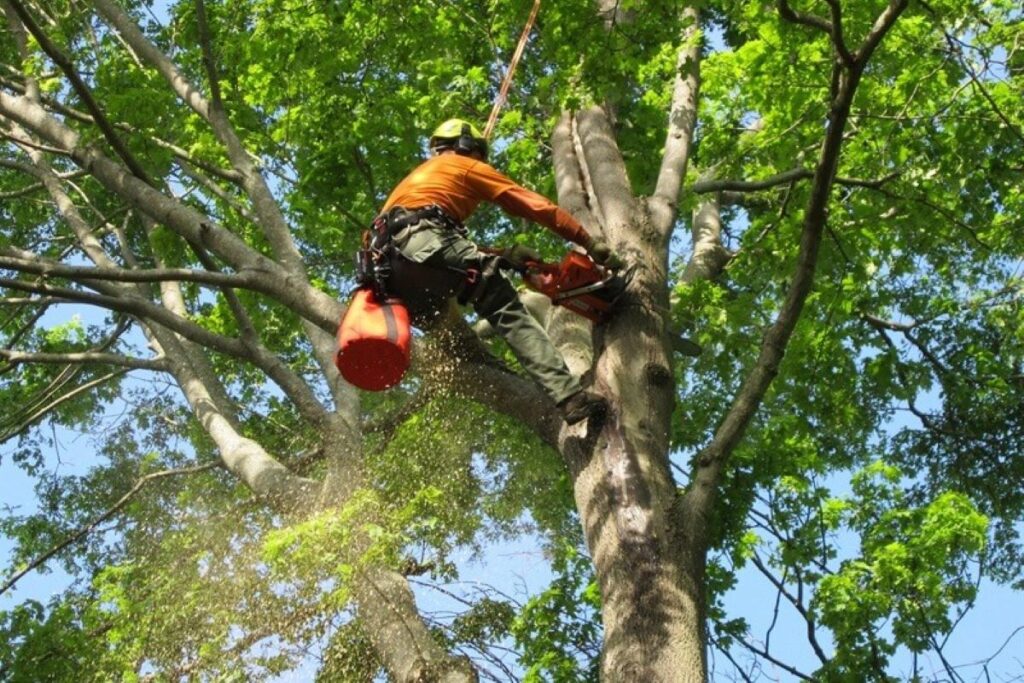
Arborists wear full personal protective equipment including helmets, safety glasses, chainsaw-resistant clothing, and harnesses when working at height. Their fully insured status provides additional peace of mind for property owners.

The systematic nature of controlled dismantling prevents sudden structural failures that could damage fences, buildings, or gardens. Each cut is calculated to maintain tree stability whilst progressively reducing its size, eliminating the risks associated with uncontrolled felling.

What Qualifications and Experience Set Arborists in Killara Apart?

Qualified arborists in Killara hold AQF Level 5 certification, the highest standard in Australian arboriculture training. This advanced qualification demonstrates mastery in tree biology, risk assessment, and complex tree management techniques that go beyond basic tree care.

The certification requires extensive theoretical knowledge combined with practical skills assessment. Arborists must demonstrate competency in:

  • Advanced climbing and rigging techniques
  • Pest and disease identification
  • Soil science and root management
  • Emergency tree work procedures

Over 25 years’ experience in the field separates exceptional practitioners from newcomers. This depth of hands-on work means local specialists have encountered virtually every tree species, condition, and challenge present in Killara’s unique landscape. They understand how native eucalypts respond differently to pruning compared to exotic ornamentals, and recognise subtle signs of decline before they become critical issues.

Arborist Killara how local specialists maintain healthy hedges and tall trees relies on this combination of formal credentials and real-world expertise to deliver consistently superior results.

Arborist Killara

How Do Arborists Promote Tree and Hedge Health Through Pruning Techniques?

Benefits of Tree Pruning

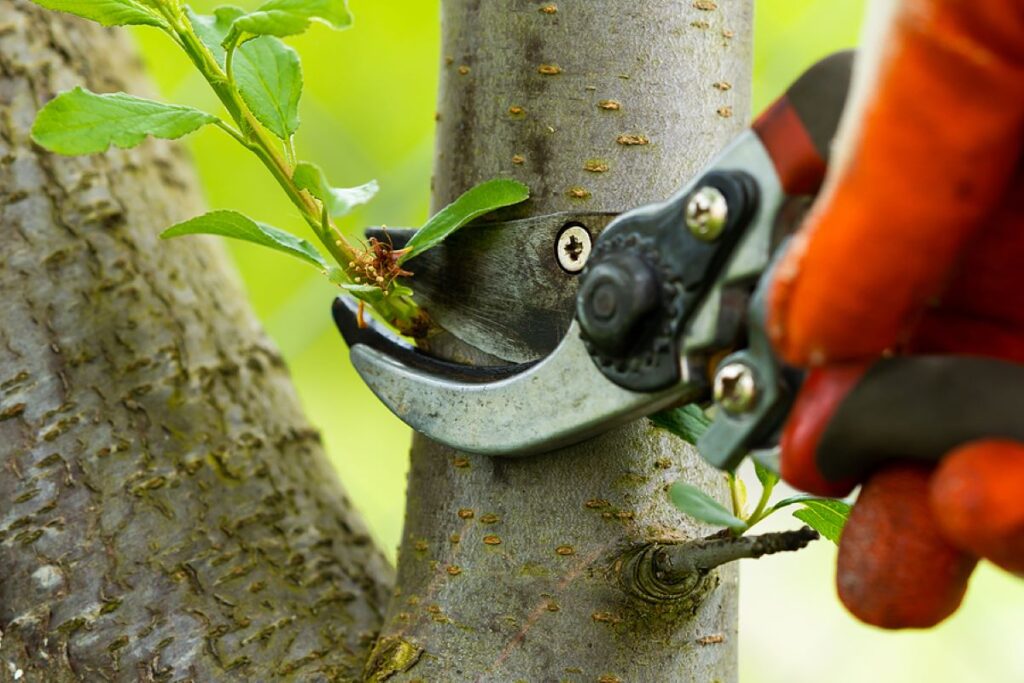
Tree pruning benefits begin with strategic cuts that direct energy toward productive growth while removing diseased, damaged, or crossing branches. Arborists identify weak branch unions and eliminate potential hazards before they compromise structural integrity. Each cut follows the branch collar—the swollen area where branches meet trunks—to facilitate proper wound closure and prevent decay.

Maintaining Hedge Health

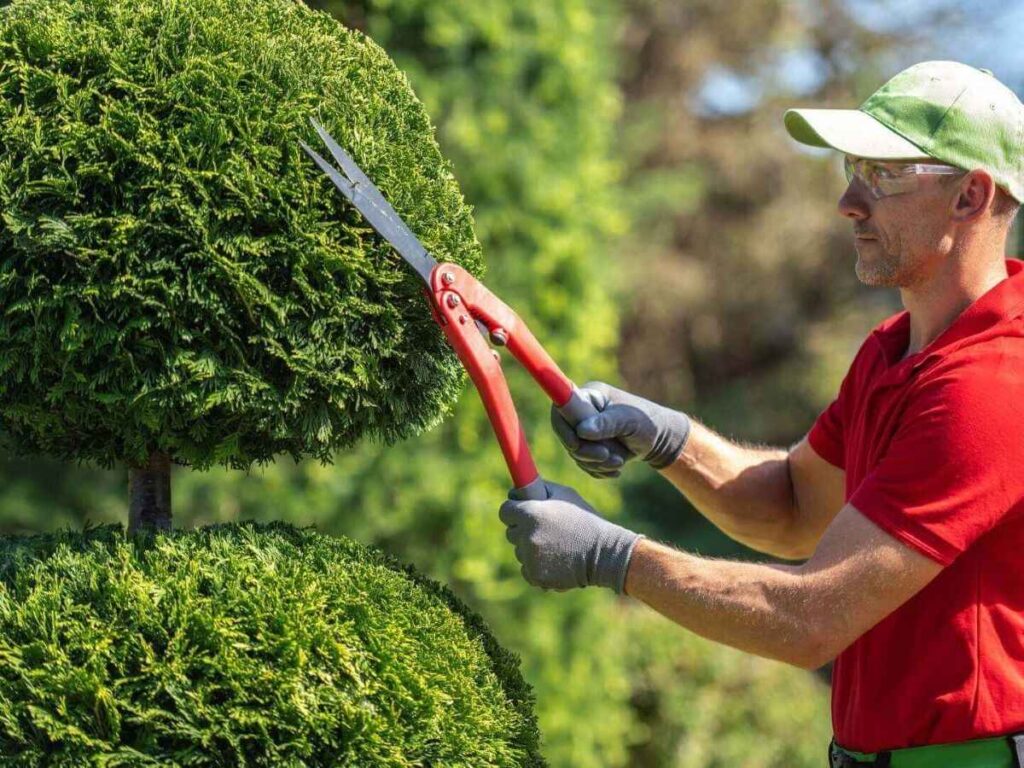
Hedge health maintenance requires understanding growth patterns specific to each species. Professionals prune at optimal times during dormant seasons to minimise stress, though flowering hedges receive attention after blooming to preserve next season’s display. The technique involves:

  • Thinning interior branches to improve air circulation and light penetration
  • Shaping outer growth to maintain density without creating bare patches
  • Removing dead material that harbours pests and diseases

Arborists balance visual appeal with biological needs by respecting each plant’s natural form. Rather than forcing geometric shapes onto species unsuited to formal styles, they enhance inherent characteristics. This approach reduces maintenance frequency while supporting vigorous, resilient growth that withstands environmental pressures.

How Are Local Regulations and Environmental Policies Incorporated Into Tree Care Practices?

Do arborists need council approval before starting work? Yes, tree care regulations in Killara require professionals to secure council permits for tree work before pruning or removing protected trees. Local arborists understand Development Control Plans (DCPs) that govern which trees require permission based on size, species, and location.

What makes certain trees legally protected? Heritage-listed trees and threatened species receive special protection under local environmental policies. Arborists identify these protected specimens during initial assessments and guide property owners through the approval process. They document tree health, structural integrity, and any safety concerns that might justify intervention.

How do specialists ensure compliance? Professional arborists maintain current knowledge of Ku-ring-gai Council regulations and NSW environmental legislation. They prepare detailed reports supporting permit applications, including photographs, measurements, and expert recommendations. This documentation demonstrates whether tree preservation remains viable or if removal serves legitimate safety or development purposes.

How Do Arborists Help Residents With Tree Management Legalities?

Local arborists provide essential tree management legal advice Killara residents need when planning work on their properties. These specialists guide homeowners through complex Development Control Plans (DCPs) that govern tree pruning, removal, and maintenance activities in the area.

Professional arborists help residents understand which trees require council permissions DCPs before any work begins. They prepare detailed documentation including:

  • Site assessments showing tree locations and conditions
  • Justification reports explaining why work is necessary
  • Species identification and health evaluations
  • Impact statements on neighbouring properties

Arborist Killara how local specialists maintain healthy hedges and tall trees extends beyond physical work to include administrative support. They submit applications on behalf of property owners, ensuring all required forms meet council standards. This expertise proves invaluable when dealing with protected vegetation or trees in conservation zones, where approval processes become particularly stringent. Their familiarity with local officers and procedures streamlines what would otherwise be a confusing process for residents unfamiliar with regulatory requirements.

How Do Arborists Handle Tree Waste Sustainably In Their Operations?

Arborists in Killara transform tree waste into valuable resources through sustainable tree waste disposal practices. Instead of sending waste to landfill, branches, leaves, and wood debris are processed on-site using specialised chippers that convert material into mulch or wood chips.

This mulching recycling arborists approach delivers multiple environmental benefits:

  • Soil enrichment – Organic mulch returns nutrients to gardens and landscapes
  • Moisture retention – Wood chips help soil retain water during dry periods
  • Weed suppression – Mulch layers reduce unwanted plant growth naturally
  • Carbon reduction – Recycling tree material decreases greenhouse gas emissions from decomposition in landfills

Residents often receive complimentary mulch from their own trees, creating a closed-loop system that supports garden health. Larger timber pieces may be repurposed for firewood or landscaping features. This commitment to sustainable waste management reflects arborists’ broader environmental responsibility, ensuring tree care operations contribute positively to Killara’s ecosystem whilst providing practical benefits for property owners seeking natural soil amendments.

Moreover, the practice of green waste recycling is gaining traction among local arborists. This involves collecting and processing organic waste materials such as grass clippings, leaves, and branches into reusable products. Such efforts not only reduce landfill waste but also promote a healthier environment by returning valuable nutrients back to the soil.

What Do Local Specialists Offer In Killara?

Emergency arborist services Killara specialists provide 24/7 rapid response for hazardous situations. When severe weather strikes or trees become unstable, these professionals arrive quickly to assess and address immediate dangers threatening homes, vehicles, or pedestrians.

1. Storm Damage Tree Care

Storm damage tree care requires immediate attention to prevent further property destruction. Fallen branches, split trunks, or uprooted trees create urgent safety hazards that demand expert intervention. Local arborists bring specialised equipment and trained crews to safely remove dangerous limbs, stabilise compromised trees, or perform complete emergency removals when necessary.

2. Importance of Speedy Response

The speed of response directly impacts the protection of both property and people. Delaying action on a leaning tree or hanging branch increases the risk of collapse, potentially causing injuries or significant structural damage. Killara’s emergency tree specialists understand these time-sensitive situations and prioritise calls involving:

  • Trees leaning dangerously towards buildings
  • Large branches suspended precariously after storms
  • Root systems exposed by soil erosion
  • Trees blocking critical access routes

Professional assessment ensures the safest removal method while minimising additional landscape disruption during already stressful circumstances. You may like to visit https://virginiabeachtreecare.com/when-is-stump-grinding-necessary-after-tree-removal-in-castle-hill/ to get when is stump grinding necessary after tree removal in Castle Hill.

How Does Expert Consulting From Arborists Support Tree Health Assessments?

Arborist consulting Killara services provide detailed professional inspections that evaluate structural integrity, disease presence, and overall vitality of trees. Specialists examine root systems, trunk condition, branch stability, and foliage health to identify potential hazards or declining specimens that require intervention.

Tree health inspection reports document findings with photographic evidence and technical assessments. These comprehensive reports detail specific concerns such as pest infestations, fungal infections, or structural weaknesses that compromise safety. Arborists measure factors including canopy density, growth patterns, and soil conditions to deliver accurate evaluations.

Local authorities often require these professional assessments before approving development applications or tree removal permits. Homeowners benefit from expert guidance on preservation strategies, treatment options, or justified removal recommendations. Arborist Killara how local specialists maintain healthy hedges and tall trees extends beyond physical maintenance to include diagnostic expertise that informs long-term care decisions. Qualified arborists translate complex tree biology into actionable advice, ensuring property owners make informed choices about their landscape assets whilst meeting regulatory obligations.

Arborist Killara

Why Should You Choose a Local Arborist in Killara for Your Tree Care Needs?

Choosing a local arborist in Killara for your tree care needs comes with several advantages:

  1. In-depth knowledge of the area: Local arborists have a deep understanding of the specific tree species, council regulations, and environmental conditions in Killara. This knowledge allows them to provide tailored solutions for your trees.
  2. Professional qualifications: Local specialists hold advanced AQF Level 5 certifications, ensuring they have the necessary skills and expertise to handle various tree care tasks.
  3. Insurance coverage: Local arborists maintain full insurance coverage, giving you peace of mind knowing that every project is protected and meets professional standards.

The Benefits of Professional Tree Care

Professional tree care goes beyond basic maintenance. Here are some benefits you can expect from hiring an experienced arborist:

  • Expertise in navigating complex regulations: Arborists are familiar with Development Control Plans and can navigate through them efficiently. This ensures that any tree work done on your property complies with local regulations.
  • Knowledge of permit requirements: If your tree care project requires permits, arborists can help secure them on your behalf. This saves you time and effort in dealing with bureaucratic processes.
  • Protection of heritage-listed trees: If you have heritage-listed trees on your property, arborists know how to handle them delicately while still carrying out necessary maintenance or removal work.
  • Compliance with threatened species legislation: Arborists are trained to identify and protect threatened species during their work. This ensures that any tree care activities carried out do not harm these vulnerable plants.

How Local Specialists Maintain Healthy Hedges and Tall Trees

Local specialists in Killara have specific methods they use to maintain healthy hedges and tall trees:

  • Commitment to safety protocols: Safety is a top priority for arborists. They follow strict safety protocols when performing tasks such as pruning or removing trees to minimise risks to themselves, your property, and surrounding areas.
  • Environmental responsibility: Arborists are conscious of their impact on the environment. They employ sustainable practices such as recycling waste materials from tree work into mulch instead of sending them to landfills.

Peace of Mind During Storms

Storms can cause significant damage to landscapes, including trees. Here’s how local arborists provide peace of mind during such situations:

  1. Emergency response capabilities: When storms hit, local arborists are equipped to respond quickly to assess damages and carry out necessary repairs or removals.
  2. Expert assessment: With their experience, arborists can accurately assess the extent of storm damage and determine appropriate actions required for recovery.

By choosing a local arborist in Killara, you not only benefit from their expertise but also contribute towards supporting businesses within your community.

FAQs About Arborists in Killara and Tree Care

1. Why are arborists in Killara important for tree and hedge health?
Arborists maintain the health of trees and hedges by preventing diseases, addressing structural issues, and promoting growth through professional care.
2. What services do local arborists provide?
Services include pruning, hedge trimming, tree lopping, stump grinding, tree removal, emergency response, and expert consulting for tree health assessments.
3. How do arborists ensure safety during tree care?
They follow strict safety protocols, use personal protective equipment, perform risk assessments, and employ controlled dismantling techniques for hazardous trees.
4. What qualifications set Killara arborists apart?
Qualified arborists hold AQF Level 5 certification and often have decades of experience, combining theoretical knowledge with hands-on expertise.
5. How do pruning and trimming improve tree and hedge health?
Pruning removes dead or diseased branches, improves airflow and sunlight penetration, and redirects nutrients to healthier growth, while hedge trimming maintains density and shape.
6. Are there local regulations affecting tree care in Killara?
Yes, arborists comply with council permits, Development Control Plans, and environmental policies to protect heritage-listed and threatened species.
7. How do arborists manage tree waste sustainably?
They recycle branches and debris into mulch, wood chips, or firewood, enriching soil, retaining moisture, suppressing weeds, and reducing landfill waste.
8. What emergency services do arborists offer during storms?
Local arborists provide rapid response to dangerous trees or storm damage, stabilising compromised trees and removing hazards efficiently.
9. Why should homeowners choose a local arborist in Killara?
Local arborists offer area-specific knowledge, professional qualifications, insurance coverage, regulatory compliance, and environmentally responsible practices.

stump grinding

When Is Stump Grinding Necessary After Tree Removal in Castle Hill

Why Is Stump Grinding Necessary After Tree Removal in Castle Hill?

Stump grinding becomes necessary after tree removal when the remaining stump creates safety hazards, detracts from your property’s appearance, or interferes with future landscaping plans. The process involves using specialised equipment to grind the stump below ground level, eliminating the visible remnant and its root system.

Safety Concerns

Safety concerns drive many stump grinding decisions in Castle Hill. Protruding stumps create tripping hazards for children, elderly family members, and visitors navigating your garden. They also pose risks to lawn mowing equipment and can cause damage to vehicles in driveways.

Aesthetic Considerations

Aesthetic considerations matter equally. A leftover stump disrupts the visual flow of carefully maintained gardens and reduces your property’s kerb appeal. Professional tree removal companies in Castle Hill recognise this and routinely offer stump grinding as an integrated service.

Property Maintenance Benefits

Property maintenance benefits extend beyond immediate concerns. Decaying stumps attract termites, wood-boring insects, and fungal diseases that can spread to healthy trees and structures. Local arborists provide comprehensive solutions that address these risks whilst preparing your land for new plantings or construction projects.

What Are the Benefits of Stump Grinding?

Stump grinding benefits extend far beyond simple aesthetics, offering practical solutions to multiple property concerns. Tree stump removal through grinding addresses several critical issues that property owners face after tree removal.

1. Preventing Unwanted Regrowth

Grinding eliminates the stump’s ability to sprout new shoots, which can drain resources and create maintenance headaches. Without proper grinding, stumps often regenerate, forcing property owners to repeatedly cut back growth.

2. Eliminating Pest Habitats

Decaying stumps attract termites, beetles, and other wood-boring insects that may spread to healthy trees or structures. The rotting wood provides ideal breeding grounds for pests that threaten surrounding vegetation and nearby buildings.

3. Removing Tripping Hazards

Stumps create dangerous obstacles in yards, particularly in high-traffic areas where children play or guests gather. Ground-level grinding removes these risks entirely, creating safer outdoor spaces for families.

4. Maximising Usable Space

Tree stump removal opens up valuable garden area for new plantings, lawn expansion, or outdoor features. Properties gain functional square footage that was previously wasted on an unsightly obstacle.

When Does a Tree Stump Pose Safety Risks That Require Grinding?

Tree stumps become immediate safety hazards when positioned in high-traffic areas like walkways, driveways, or play spaces where people regularly move about. These stump safety hazards create significant tripping hazard risks, particularly for children, elderly residents, and visitors unfamiliar with the property layout.

Low-cut stumps hidden by grass or garden beds present the most dangerous scenarios. They remain invisible until someone catches their foot, potentially causing serious injuries. Properties with active outdoor use—such as those hosting family gatherings or sporting activities—face elevated risk levels.

Critical risk situations include:

  • Stumps near pathways or garden edges
  • Partially concealed stumps in lawn areas
  • Stumps in zones used by lawn maintenance equipment
  • Decaying stumps that create uneven, unstable surfaces

Prompt stump grinding eliminates these dangers by removing the obstacle entirely. Professional grinding services reduce stumps to below ground level, creating smooth, safe surfaces that restore normal property use without ongoing injury concerns.

How Does Stump Grinding Enhance Landscape Usability and Aesthetics?

Stump grinding transforms your outdoor space by eliminating unsightly remnants that disrupt landscape aesthetics and limit garden usability. Tree stumps create dead zones where you cannot plant new vegetation, install features, or simply enjoy open lawn areas.

Impact on Landscaping Plans

Stumps prevent proper lawn mowing patterns and force awkward navigation around obstacles. They occupy valuable square metres that could accommodate garden beds, patios, or play equipment. When considering when is stump grinding necessary after tree removal in Castle Hill, property owners often cite the inability to execute their landscaping vision as a primary motivator.

stump grinding

Visual and Functional Benefits

Removing stumps creates clean sightlines across your property and eliminates protruding eyesores that detract from carefully designed gardens. The ground-level finish allows seamless grass growth and opens possibilities for:

  • Installing outdoor furniture without uneven surfaces
  • Creating continuous pathways
  • Expanding entertainment areas
  • Planting replacement trees in optimal locations

The resulting mulch from grinding can even enrich surrounding soil, supporting healthier plant growth throughout your Castle Hill garden. Click here to get how local specialists maintain healthy hedges and tall trees.

Why Should Property Owners in Castle Hill Prioritise Stump Grinding for Ongoing Maintenance?

Stump grinding is an essential part of property maintenance Castle Hill residents should include in their regular care routines. Removing stumps prevents recurring issues that can affect both property value and outdoor safety.

Preventing Future Growth Problems

If left untreated, tree stumps often sprout new shoots that drain resources and create unwanted vegetation. These sprouts require constant trimming and can damage nearby structures or paving as roots expand beneath the surface. In fact, leaving a tree stump alone can lead to more significant problems in the long run.

Supporting Long-Term Property Health

Ongoing tree care involves more than just removing visible trees. Decaying stumps attract wood-boring insects and fungal diseases that spread to healthy plants and garden features. Professional stump grinding eliminates these breeding grounds before they harm surrounding vegetation. This is one of the 5 important reasons for tree stump removal that property owners should consider.

Maintaining Clean Outdoor Spaces

Ground-level stumps collect debris, create obstacles for mowing, and disrupt drainage patterns. Grinding them below surface level restores proper water flow and simplifies lawn maintenance tasks, keeping Castle Hill properties tidy and functional throughout the year.

When Is It Time to Seek Professional Help for Stump Grinding?

Professional stump grinding becomes essential when dealing with stumps larger than 30cm in diameter or those located near structures, underground utilities, or in confined spaces. DIY removal attempts in these situations often lead to property damage or personal injury.

Large stumps require industrial-grade equipment that only licensed operators possess. An arborist Castle Hill can safely handle stumps with extensive root systems that spread beneath driveways, patios, or foundations.

Challenging terrain presents another scenario requiring expert intervention. Sloped yards, rocky soil, or stumps positioned near fences demand specialised techniques and machinery that homeowners typically lack access to.

Local tree removal companies provide free consultations to evaluate stump conditions and recommend appropriate solutions. These assessments identify potential complications such as:

  • Underground pipes or cables near the stump
  • Root systems affecting neighbouring properties
  • Stumps showing signs of disease or pest infestation
  • Access limitations for standard grinding equipment

What Are The Signs That Indicate Immediate Stump Grinding Is Needed After Tree Removal?

Signs of stump decay and symptoms of pest infestation indicate that urgent action is required. When Is Stump Grinding Necessary After Tree Removal in Castle Hill becomes critical when you notice specific warning signs around your property.

Visible Signs of Decay

  • Soft, spongy wood that crumbles when touched reveals advanced decomposition.
  • Discoloured patches ranging from dark brown to black indicate fungal growth spreading through the stump.
  • Mushrooms or fungal bodies sprouting around the base demonstrate active decay that could spread to healthy plants nearby.

Warning Signs of Pest Activity

  • Sawdust-like material accumulating near the stump suggests termite or beetle activity.
  • Small holes dotting the wood surface indicate boring insects have established colonies.
  • Increased ant trails leading to and from the stump point to nesting activity within the decaying wood.

Prompt stump grinding prevents these issues from affecting neighbouring gardens and landscaping. Decaying stumps attract pests that can migrate to healthy trees, creating widespread damage across multiple properties. Acting quickly protects your investment and maintains positive relationships with surrounding homeowners.

How Does Stump Grinding Contribute To The Overall Health And Safety Of Plants In The Area?

Stump grinding directly protects plant health by eliminating decaying wood that serves as a breeding ground for harmful organisms. Rotting stumps create ideal conditions for fungi, bacteria, and wood-boring insects that can spread to healthy trees and shrubs in your garden.

Pest control becomes significantly easier once stumps are removed. Termites, carpenter ants, and beetles often colonize dead wood before migrating to living plants or even wooden structures on your property. These pests weaken root systems and damage bark, compromising the vitality of surrounding vegetation.

The grinding process removes the entire stump below ground level, destroying existing pest habitats and preventing disease transmission. This protective measure is particularly valuable in Castle Hill gardens where multiple plants grow in close proximity.

Root diseases like honey fungus can persist in old stumps for years, slowly infecting nearby plants through underground contact. Professional stump grinding eliminates this hidden threat, creating a healthier growing environment for your landscape.

What Makes Tree Removal Companies In Castle Hill Reliable For Stump Grinding Services?

Reputable Castle Hill tree services demonstrate their reliability through industry certifications, extensive experience, and proven track records in expert tree care. These qualifications ensure they understand when stump grinding is necessary after tree removal in Castle Hill and can execute the work safely.

Professional Credentials Matter

Licensed arborists hold recognised certifications that validate their expertise in tree management and stump removal techniques. Insurance coverage protects property owners from liability during operations, whilst membership in professional associations indicates commitment to industry standards.

stump grinding

Modern Equipment and Safety Standards

Reliable stump grinding companies invest in state-of-the-art machinery that efficiently grinds stumps below ground level. Their equipment allows precise work in tight spaces without damaging surrounding landscape features or underground utilities.

Safety protocols form the foundation of professional operations. Experienced crews conduct thorough site assessments before beginning work, identifying potential hazards like buried cables or irrigation systems. They use protective barriers and follow strict operational procedures to protect both workers and property.

Customer-Focused Service Delivery

Quality providers offer free consultations to evaluate stump conditions and recommend appropriate solutions. They provide transparent pricing, clear timelines, and comprehensive cleanup services that leave properties pristine.

Professional consultation before any tree removal or stump grinding project guarantees both safety and effectiveness. Qualified arborists assess your specific situation, identify risks, and develop tailored solutions that protect your property investment.

Don’t let hazardous stumps compromise your Castle Hill property. Contact trusted local tree removal companies today for prompt evaluations and quality stump grinding services at competitive rates. Their expertise ensures thorough removal whilst maintaining the health and beauty of your outdoor spaces.

FAQs About Stump Grinding After Tree Removal in Castle Hill

1. Why is stump grinding necessary after tree removal?
Stump grinding eliminates safety hazards, prevents pest infestations, improves property aesthetics, and prepares the area for new landscaping or construction.
2. What safety risks do leftover stumps pose?
Protruding or hidden stumps can cause trips, falls, and damage to lawn equipment or vehicles, especially in high-traffic areas.
3. How does stump grinding improve property appearance and usability?
Grinding removes unsightly stumps, opens up space for gardens, patios, and lawns, and allows seamless landscaping without obstacles.
4. Can stumps regrow if not ground properly?
Yes, untreated stumps may sprout new shoots, requiring repeated maintenance and potentially harming surrounding plants.
5. How does stump grinding prevent pest infestations?
Decaying stumps attract termites, beetles, and fungi. Grinding removes the wood and root system, eliminating breeding grounds for pests.
6. When should homeowners seek professional stump grinding services?
Professional help is recommended for large stumps, those near structures or underground utilities, or stumps in challenging terrain to avoid damage or injury.
7. What signs indicate immediate stump grinding is needed?
Signs include soft or discoloured wood, fungal growth, mushrooms, holes from insects, or increased ant activity around the stump.
8. How does stump grinding support long-term plant health?
Removing decaying stumps prevents disease and pests from spreading to nearby trees and shrubs, promoting a healthier garden ecosystem.
9. Why should Castle Hill residents choose professional tree removal companies for stump grinding?
Licensed arborists use certified methods, modern equipment, and strict safety protocols, ensuring efficient, safe, and reliable stump removal.

tree removel

Tree Removal Sydney: Council Regulations You Must Follow – A Complete Guide


Introduction – Why Tree Removal Is a Serious Matter in Sydney

If you’re a Sydney homeowner or property manager, there’s a good chance you’ve dealt with a troublesome tree at some point. Maybe it’s blocking sunlight, leaning too close to the house, or dropping branches after every storm. But before you break out the chainsaw or call in the pros, there’s one crucial thing you need to know:

Tree removal in Sydney is heavily regulated.

Cutting down or even significantly pruning a tree without permission can lead to serious fines. Local councils have specific rules to protect Sydney’s leafy character, preserve native species, and maintain environmental balance. So, whether you’re planning renovations, improving safety, or removing a dying tree, understanding the Sydney council tree rules is essential.

This guide walks you through everything — from why people remove trees to the cost, risks, and how to stay compliant with local regulations.


Why People Remove Trees in Sydney

There are plenty of valid reasons homeowners look into tree removal in Sydney, and most fall under safety, space, or environmental concerns.

🌀 1. Storm or Wind Damage

Sydney storms can leave trees cracked, leaning, or partially uprooted — turning them into real hazards for homes, cars, or power lines.

🦠 2. Disease or Decay

Fungal infections, borers, and root rot are common in some areas. Once a tree becomes structurally unsound, it poses a serious risk of collapse.

🏠 3. Property Development

If you’re building an extension, adding a pool, or redesigning your yard, a tree might be in the way — especially on smaller Sydney blocks.

⚠️ 4. Safety Concerns

Overhanging branches, unstable trunks, or invasive roots damaging plumbing or foundations can all warrant removal.

🌳 5. Invasive Species or Poor Placement

Some trees just weren’t planted in the right spot — or they’ve outgrown their welcome. Others may be declared invasive and are better removed.

See more: Pest Inspections Sydney: Why They’re Crucial for Homeowners and Buyers


Do You Need Council Approval?

Here’s the big question — and in many cases, yes, you absolutely do.

Most Sydney councils enforce a Tree Preservation Order (TPO), which protects certain trees based on height, trunk diameter, species, or location.

Common TPO criteria:

  • Height: Trees taller than 5–6 metres often require approval.
  • Trunk diameter: Over 300mm at 1 metre above ground is usually protected.
  • Species: Native or heritage-listed trees are often off-limits without a permit.
  • Location: Bushfire zones, heritage areas, and wildlife corridors have additional protections.

Examples by council:

  • City of Sydney Council: Approval needed for most trees over 5m tall or 300mm wide.
  • Northern Beaches Council: Allows removal within 3m of a dwelling, with some exceptions.
  • Inner West Council: Requires a permit unless the tree is on the exempt species list.

Not sure if your tree is protected? Check your local council’s tree removal guidelines, or contact a qualified arborist who can assess it for you.


Costs of Tree Removal in Sydney

Tree removal isn’t one-price-fits-all. The cost of tree removal in Sydney depends on several key factors.

Average cost ranges:

  • Small tree (under 5m): $250–$500
  • Medium tree (5–10m): $500–$1,500
  • Large tree (10m+): $1,500–$5,000+

These numbers vary widely depending on the job complexity.

Factors that affect cost:

  • Tree size and location
  • Access to the site
  • Proximity to structures or power lines
  • Type of equipment needed (crane, cherry picker, etc.)
  • Stump removal (often charged separately)
  • Disposal and clean-up services

Pro tip: Always get at least two detailed quotes, and confirm what’s included.


Risks of DIY Tree Removal

It might be tempting to DIY, especially if the tree seems small — but it can go wrong quickly.

Major risks include:

  • Injury: Chainsaws, falling branches, unstable footing — DIY jobs can end in serious harm.
  • Property damage: One wrong cut and a tree could fall on your roof, fence, or even a neighbour’s car.
  • Legal trouble: Removing a protected tree without council approval could land you with fines in the thousands.

Bottom line: Tree removal in Sydney is best left to professionals. It’s safer, legal, and often more cost-effective in the long run.

tree removel

How to Choose a Reliable Tree Removal Service in Sydney

Not all tree services are created equal. Here’s how to find one that’s experienced, compliant, and professional.

✅ Look for:

  • Certified arborists (AQF Level 3 or higher)
  • Public liability insurance (preferably $10M+)
  • Workers’ compensation insurance
  • Experience with local council applications
  • Positive reviews on Google, Facebook, or local forums
  • Transparent quotes with no hidden fees

Also ask whether they offer tree lopping, stump grinding, and eco-friendly waste removal.

Avoid “cash jobs” or operators without insurance — it’s not worth the risk.


What to Expect on the Day of Removal

Here’s a quick breakdown of what typically happens on removal day:

The Process:

  1. Safety check and planning
  2. Rope and rigging setup
  3. Branch and trunk removal (usually done top-down)
  4. Stump grinding, if included
  5. Mulching or green waste removal

Time estimate:

  • Small jobs: 1–3 hours
  • Medium trees: Half-day
  • Large or complex trees: Full day or more

Your tree removal team should walk you through the plan ahead of time. Make sure driveways are clear and pets are safely inside.


Eco-Friendly Disposal and What Happens to the Removed Tree

Gone doesn’t mean wasted.

Most tree removal companies in Sydney take pride in eco-friendly disposal:

  • Mulching: Branches are chipped into garden mulch (often available for you to keep)
  • Firewood: Trunks may be cut for use as firewood
  • Recycling: Some wood is used for furniture, garden beds, or soil improvement
  • Green waste: Recycled or composted off-site

Ask your arborist how they handle waste — and if you’d like to reuse any of it for your own garden.


Tips Before You Cut – Checklist for Sydney Residents

Here’s a quick pre-removal checklist to make sure you’re covered:

Check your local council’s tree rules
Take photos and notes about the tree’s condition
Get 2–3 quotes from insured, qualified arborists
Confirm what’s included in the service (stump grinding, disposal, permits)
Notify neighbours if access or noise might affect them
Secure pets and vehicles on the day of removal
Ask about mulch or wood reuse options

Doing your homework ahead of time avoids delays, fines, and last-minute stress.


Final Thoughts

Tree removal in Sydney isn’t just about cutting down a tree — it’s about doing it safely, legally, and responsibly. With strict Sydney council tree rules in place, it’s essential to check local regulations, hire qualified experts, and think through the environmental impact.

Cutting corners with DIY or unlicensed services might seem cheaper up front, but it can quickly turn into a legal or safety nightmare. When in doubt, talk to a professional who understands your local area, knows the rules, and has the experience to do the job right.


Need Help with Tree Removal in Sydney?

Don’t risk a fine or injury. If you’re dealing with a damaged tree or planning renovations, speak to a licensed tree removal expert in Sydney who can guide you through council rules and provide a safe, professional service.

tree removel

Best Pest Control Sydney: Top-Rated Services for Every Pest Problem

Understanding the Importance of Pest Control

Pest control is an essential service for maintaining a healthy and safe living environment. In Sydney, where the climate is conducive to various pests, effective pest management is crucial for both residential and commercial properties. Pests can cause significant damage to structures, contaminate food supplies, and pose health risks to humans and pets alike.

Regular pest control not only prevents infestations but also protects the integrity of homes and businesses. A proactive approach to pest management can save property owners from costly repairs and health-related issues down the line. This article explores the top-rated pest control sydney services, highlighting their effectiveness in tackling various pest problems.

In addition to the immediate benefits of pest control, there are long-term advantages that often go unnoticed. For instance, many pest control services employ environmentally friendly methods that not only target pests but also minimise harm to beneficial insects and the surrounding ecosystem. This sustainable approach ensures that while homes and businesses remain pest-free, the natural balance of the environment is preserved. Moreover, regular inspections and treatments can lead to a deeper understanding of the specific pest challenges faced in different areas of Sydney, allowing for tailored solutions that are both effective and efficient.

Furthermore, the psychological impact of pest infestations should not be underestimated. The presence of pests can lead to increased anxiety and stress for residents and business owners alike. Knowing that a professional pest control service is in place can provide peace of mind, allowing individuals to focus on their daily activities without the looming worry of an infestation. In a city as vibrant and bustling as Sydney, where life moves at a fast pace, the assurance of a pest-free environment contributes significantly to overall well-being and quality of life.

Common Pests in Sydney

Sydney’s warm climate and diverse environment create an ideal habitat for a variety of pests. Understanding the common pests that plague the area can help residents and business owners identify potential threats and seek appropriate pest control solutions.

Termites

Termites are among the most destructive pests found in Sydney. They can silently cause extensive damage to wooden structures, leading to costly repairs. Early detection is key, and professional pest control services can provide thorough inspections and effective treatments to eliminate termite infestations.

Best Pest Control Sydney: Top-Rated Services for Every Pest Problem

Rodents

Rodents, including rats and mice, are not only a nuisance but also a health hazard. They can contaminate food, spread diseases, and cause structural damage by gnawing on wires and insulation. Pest control experts employ various methods, including traps and baiting, to manage rodent populations effectively.

Ants and Cockroaches

Ants and cockroaches are common household pests that can be challenging to eradicate. Ants often invade homes in search of food, while cockroaches thrive in warm, humid environments. Both pests can reproduce rapidly, making timely intervention by pest control professionals essential for effective management. Read more about the traits of ants at https://extension.umn.edu/insects-infest-homes/ants

Top-Rated Pest Control Services in Sydney

With numerous pest control companies operating in Sydney, selecting the right service can be daunting. Here are some of the top-rated pest control services known for their reliability and effectiveness.

Eco-Friendly Pest Control Solutions

Many residents are increasingly concerned about the environmental impact of pest control methods. Eco-friendly pest control services use natural and non-toxic products to manage pests while minimising harm to the environment. These companies often focus on integrated pest management (IPM) techniques, which combine various strategies for long-term pest control.

Emergency Pest Control Services

Some pest infestations require immediate attention, especially when they pose a significant threat to health or property. Emergency pest control services in Sydney are available 24/7, ensuring that urgent pest problems can be addressed promptly. These services often include quick inspections and rapid response treatments to mitigate damage.

Commercial Pest Control Specialists

Businesses, particularly those in the food and hospitality industries, must adhere to strict health regulations. Commercial pest control specialists are trained to handle pest issues specific to various industries. They provide tailored solutions that comply with health and safety standards, ensuring that businesses can operate without the threat of pest infestations.

Choosing the Right Pest Control Service

When selecting a pest control service, several factors should be considered to ensure the best outcome for pest management.

Experience and Expertise

Experience plays a crucial role in the effectiveness of pest control services. Companies with a proven track record and knowledgeable technicians are more likely to provide successful pest management solutions. Researching customer reviews and testimonials can provide insight into a company’s reliability and effectiveness.

Licensing and Certification

It is essential to choose a pest control service that is fully licensed and certified. This ensures that the company adheres to industry regulations and employs safe and effective pest control methods. Licensed professionals are trained to handle various pest issues and can provide appropriate solutions tailored to specific needs.

Customer Service and Support

Excellent customer service is a hallmark of a reputable pest control company. A responsive and helpful team can make the process smoother, from initial consultations to follow-up services. Companies that prioritise customer satisfaction are more likely to build long-lasting relationships with their clients. Click here to learn more about improving customer service.

Preventative Measures for Pest Control

Preventing pest infestations is often more effective and less costly than dealing with an existing problem. Here are some preventative measures that property owners can implement.

Regular Inspections

Scheduling regular pest inspections can help identify potential issues before they escalate. Professional pest control services can conduct thorough assessments of properties, checking for signs of infestations and recommending preventative measures. Early detection is key to effective pest management.

Maintaining Cleanliness

Maintaining a clean and tidy environment is one of the most effective ways to deter pests. Regular cleaning, proper food storage, and waste management can significantly reduce the likelihood of infestations. Paying attention to areas like kitchens, basements, and gardens can help keep pests at bay.

Sealing Entry Points

Pests often enter properties through small cracks and openings. Sealing these entry points can help prevent infestations. Property owners should regularly inspect their homes for gaps around doors, windows, and foundations, and take appropriate measures to seal them effectively.

Cost of Pest Control Services in Sydney

The cost of pest control services can vary significantly based on several factors, including the type of pest, the extent of the infestation, and the specific services required. Understanding these costs can help property owners budget effectively for pest management.

Best Pest Control Sydney: Top-Rated Services for Every Pest Problem

Factors Influencing Cost

Several factors can influence the overall cost of pest control services. The type of pest being treated, the size of the property, and the severity of the infestation all play a role. Additionally, companies may offer different pricing structures based on the services provided, such as one-time treatments versus ongoing maintenance plans.

Average Pricing

On average, residents in Sydney can expect to pay between £100 to £300 for standard pest control services. However, more extensive treatments, such as termite control, can range from £500 to £2,000, depending on the severity of the infestation and the treatment methods used. It is advisable to obtain quotes from multiple companies to ensure competitive pricing.

Conclusion

Effective pest control is vital for maintaining a safe and healthy environment in Sydney. With numerous top-rated services available, property owners can find solutions tailored to their specific pest problems. By understanding common pests, choosing the right service, and implementing preventative measures, residents can protect their homes and businesses from the threats posed by pests.

Investing in professional pest control not only addresses immediate issues but also contributes to long-term peace of mind. With the right approach, pest infestations can be managed effectively, ensuring a pest-free environment for all.

Related : Pest Inspections Sydney: Why They’re Crucial for Homeowners and Buyers

Pest Inspections Sydney: Why They’re Crucial for Homeowners and Buyers

Pest Inspections Sydney: Why They’re Crucial for Homeowners and Buyers

The Importance of Pest Inspections

Pest inspections play a vital role in maintaining the integrity of a property. In Sydney, where the climate is conducive to various pests, these inspections become even more crucial for homeowners and potential buyers. Understanding the importance of pest inspections can save individuals from significant financial burdens and emotional distress in the long run.

For homeowners, regular pest inspections sydney can help identify issues before they escalate. Early detection of pest infestations can prevent extensive damage to the property and reduce the need for costly repairs. For buyers, a comprehensive pest inspection can provide peace of mind, ensuring that the property is free from hidden problems.

Types of Pests Commonly Found in Sydney

Sydney’s warm climate attracts a variety of pests that can cause damage to homes. Common pests include termites, cockroaches, rodents, and ants. Termites, in particular, are notorious for their ability to silently destroy wooden structures, making them a significant concern for homeowners.

Cockroaches and rodents can pose health risks, as they are known carriers of diseases. Ants may not cause structural damage but can invade kitchens and pantries, leading to contamination of food supplies. Understanding the types of pests prevalent in the area can help homeowners take proactive measures.

In addition to these common pests, Sydney is also home to a variety of other nuisances, such as spiders and wasps. While many spiders are harmless and can even be beneficial by controlling other pest populations, some species can deliver painful bites. Wasps, on the other hand, can become aggressive when their nests are threatened, posing a risk to anyone nearby. Homeowners should be vigilant and consider pest inspections not just as a one-off task but as part of an ongoing maintenance routine to safeguard their homes from these unwelcome guests.

Moreover, the impact of pests extends beyond mere physical damage; it can also affect the overall quality of life within a home. The presence of pests can lead to stress and anxiety for residents, particularly if infestations become severe. Families with children or pets may find themselves particularly concerned about the health implications associated with pests. Therefore, investing in regular pest inspections and preventative measures is not just a matter of property maintenance; it is also about ensuring a safe and comfortable living environment for all inhabitants. Read more about the type of pests at https://smfarm.cfans.umn.edu/pests-and-diseases/pests-and-diseases-introduction

Benefits of Regular Pest Inspections

Regular pest inspections offer numerous benefits that extend beyond mere identification of pests. They provide homeowners with a comprehensive understanding of their property’s condition and help in maintaining its value over time.

One of the key benefits is the early detection of infestations. Pest inspectors are trained to spot signs of pest activity that may not be visible to the untrained eye. This proactive approach allows homeowners to address issues before they become severe, ultimately saving time and money.

Pest Inspections Sydney: Why They’re Crucial for Homeowners and Buyers

Protecting Property Value

Maintaining a pest-free environment is essential for preserving property value. A home infested with pests can suffer from structural damage, which may lead to a decrease in market value. Regular inspections can help identify and mitigate these risks, ensuring that the property remains an attractive investment.

Moreover, potential buyers are often deterred by homes with a history of pest problems. A clean pest inspection report can enhance the marketability of a property, making it easier to sell in the future. In addition, many mortgage lenders require pest inspections as part of the loan approval process, particularly in areas prone to termite infestations. This requirement underscores the importance of maintaining a pest-free home, as it can directly influence financing options for prospective buyers.

Peace of Mind for Homeowners

For many homeowners, the thought of pests lurking within their walls can be unsettling. Regular pest inspections provide peace of mind, allowing individuals to enjoy their homes without the constant worry of hidden infestations. Knowing that a professional has thoroughly examined the property can alleviate stress and foster a sense of security.

Additionally, pest inspections can help homeowners develop a tailored pest management plan, ensuring that their property remains protected against future infestations. This plan may include recommendations for preventative measures, such as sealing entry points, maintaining proper sanitation, and regular monitoring. By being proactive rather than reactive, homeowners can significantly reduce the likelihood of encountering pest-related issues, ultimately contributing to a healthier living environment for their families.

Furthermore, the knowledge gained from these inspections can empower homeowners to make informed decisions regarding their property maintenance. Understanding the specific vulnerabilities of their home can lead to more effective strategies in safeguarding against pests. This not only enhances the overall comfort of the living space but also promotes a greater appreciation for the home as a long-term investment.

Pest Inspections for Home Buyers

For prospective home buyers, a pest inspection is an essential part of the purchasing process. It provides critical information about the property’s condition and can influence the decision to proceed with the purchase.

A thorough pest inspection can uncover hidden issues that may not be immediately apparent. For instance, evidence of past termite activity or current infestations can lead to negotiations for repairs or price reductions. This information empowers buyers to make informed decisions and protects them from potential financial pitfalls.

What to Expect During a Pest Inspection

A typical pest inspection involves a comprehensive examination of the property, both inside and out. Inspectors will look for signs of pest activity, such as droppings, nesting materials, and damage to wood structures. They will also assess the property for conditions that may attract pests, such as moisture issues or gaps in the building’s exterior.

The inspection usually takes a few hours, depending on the size of the property. Homeowners and buyers are encouraged to be present during the inspection, as this allows them to ask questions and gain valuable insights from the inspector. Click here to learn more about pest inspections.

Pest Inspections Sydney: Why They’re Crucial for Homeowners and Buyers

Choosing the Right Pest Inspector

Selecting a qualified pest inspector is crucial for ensuring a thorough and accurate assessment. Homeowners and buyers should look for inspectors who are licensed, insured, and have a good reputation in the industry. Reading reviews and asking for recommendations can help in making an informed choice.

It is also beneficial to choose an inspector who uses modern technology and techniques, as this can enhance the accuracy of the inspection. Some inspectors utilise thermal imaging cameras to detect hidden infestations, providing an added layer of assurance.

Cost Considerations

The cost of pest inspections in Sydney can vary based on several factors, including the size of the property and the complexity of the inspection. On average, homeowners can expect to pay between £200 and £400 for a standard inspection.

While this may seem like an additional expense, it is essential to view it as an investment in the property’s future. The cost of addressing a pest infestation can far exceed the price of a preventative inspection. Therefore, budgeting for regular inspections is a wise decision for any homeowner.

Long-Term Savings

Investing in regular pest inspections can lead to significant long-term savings. By identifying and addressing pest issues early, homeowners can avoid costly repairs and extensive damage. For instance, termite damage can lead to structural issues that may require thousands of pounds in repairs.

Furthermore, maintaining a pest-free home can reduce the need for ongoing pest control treatments, ultimately saving money in the long run. Regular inspections provide a proactive approach to pest management, ensuring that any potential problems are dealt with before they escalate.

Conclusion

Pest inspections are an essential aspect of homeownership and property buying in Sydney. They offer numerous benefits, from early detection of infestations to maintaining property value and providing peace of mind. For homeowners, regular inspections can prevent costly repairs and ensure a safe living environment. For buyers, a thorough inspection can reveal hidden issues and inform purchasing decisions.

Investing in a pest inspection is a small price to pay for the protection it offers. With the right inspector and a commitment to regular assessments, homeowners can safeguard their properties against the threat of pests, ensuring a healthy and secure living space for years to come.

Related : Best Pest Control Sydney: Top-Rated Services for Every Pest Problem