Tree Removal Blue Mountains: The Strictest Rules in Sydney, and How to Work With Them

Tree Removal Blue Mountains: The Strictest Rules in Sydney, and How to Work With Them

If you own property between Glenbrook and Mount Victoria, tree removal is not a casual decision. The Blue Mountains is a city surrounded by a World Heritage listed national park, sitting on steep sandstone country, in one of the highest bushfire risk landscapes in Australia. All three of those facts shape what you can and cannot do with a tree on your own block.

Why the Rules Are Tighter Here

Tree removal in blue mountains City Council manages a local government area where bushland runs straight into backyards. Vegetation here is not just amenity planting: it is habitat connected to a World Heritage area, it holds thin soil on steep slopes, and clearing it has consequences for erosion, weed invasion and threatened species. Council is explicit that it is committed to the protection of trees and bushland while recognising that residents need to manage trees on their properties.

The consequence for homeowners is a lower permit threshold than most of metropolitan Sydney and a stricter assessment of the reasons you give.

When You Need a Permit

Council sets out the triggers on its page covering trees and vegetation on private land. A permit is required to remove or prune a tree that is four metres or more in height, or that has a crown spread greater than four metres. It is also required for any mallee-form eucalypt regardless of size, meaning a multi-stemmed eucalypt originating from a single trunk at or near ground level, and for clearing natural or regenerating locally indigenous vegetation.
Tree Removal Blue Mountains: The Strictest Rules in Sydney, and How to Work With Them

That four metre trigger is significantly lower than many Sydney councils. Practically, most established garden trees in the Mountains need approval.

Applications are lodged online, by post or in person at Katoomba or Springwood, with fees payable per rateable property. Indicative fees have run around $185 for the first three trees plus a smaller per-tree fee beyond that. Confirm current figures against the Council fees and charges schedule before applying.

What Council Will and Will Not Accept

Strong grounds: demonstrable structural defect or decay, an unacceptable risk of failure onto a dwelling, significant damage to a building or essential service, or a genuinely dead tree.

Weak grounds, and usually refused: leaf and bark drop, blocked views, wanting more light on a solar array or vegetable patch, and general anxiety about the tree being tall. If your reason falls in the second group, an AQF Level 5 arborist report is what turns an opinion into evidence.

Bushfire Clearing: The 10/50 Scheme

Many Mountains properties sit in a designated 10/50 vegetation clearing entitlement area. The scheme, introduced after the devastating 2013 fires that destroyed more than 200 homes in the Blue Mountains, allows eligible owners to clear trees within ten metres of a home and underlying vegetation such as shrubs within fifty metres, without seeking approval. The NSW Rural Fire Service maintains the 10/50 vegetation clearing scheme and its online entitlement tool.

Two warnings. Check the tool on the day you clear, because entitlement areas and excluded matters change, and you must comply with the Code of Practice as it stands at that moment. And 10/50 applies only to your own land: it is not a licence to clear a neighbour boundary or a council reserve.

The Rogue Lopper Problem

The Mountains has a documented problem with unqualified operators. Blue Mountains City Council has publicly warned that door-knocking tree loppers are exploiting residents by falsely claiming healthy trees are diseased or dying, falsely claiming Council approval is not required, claiming to work under Council direction, and even threatening homeowners with fake fines.

The defence is simple. Never engage anyone who knocks on your door unsolicited. Get three quotes independently. Ask for the arboriculture qualification and a certificate of currency for public liability insurance. And verify the permit position with Council yourself rather than taking a contractor word for it. If a tree turns out to have been protected, the fine lands on you as the property owner, not on the person who cut it.
Tree Removal Blue Mountains: The Strictest Rules in Sydney, and How to Work With Them

What Removal Costs in the Mountains

Expect to pay a little more than lower Sydney for comparable work, because of steep sites, poor vehicle access on many streets, long carry distances and the sheer size of mature mountain eucalypts.

  • Small tree, under 5 metres: $400 to $800
  • Medium tree, 5 to 12 metres: $900 to $2,400
  • Large eucalypt, 12 to 25 metres: $2,500 to $7,000
  • Very large or hazardous tree needing a crane: $7,000 to $18,000
  • Stump grinding: $150 to $900 depending on diameter

Steep block access, hand-carrying material up a driveway, or an inability to get a chipper close will all push these figures.

Practical Sequence for a Clean Job

Inspect the tree and photograph any defects. Get an arborist assessment if the reason for removal is anything other than obviously dead. Check whether the 10/50 tool covers you. If not, lodge a Council application with photos and a site plan. Get three quotes from insured, qualified operators. Confirm in the quote who handles green waste and whether stump grinding and replacement planting are included, since Council frequently conditions approvals on replanting.

Bottom Line

Assume you need a permit, because at four metres you probably do. Build your case with an arborist report rather than an opinion. Check the 10/50 tool on the day. And shut the door on anyone who turns up uninvited with a chainsaw and a story.
Firewood Sydney: How to Buy Well, Burn Clean, and Not Get Ripped Off

Firewood Sydney: How to Buy Well, Burn Clean, and Not Get Ripped Off

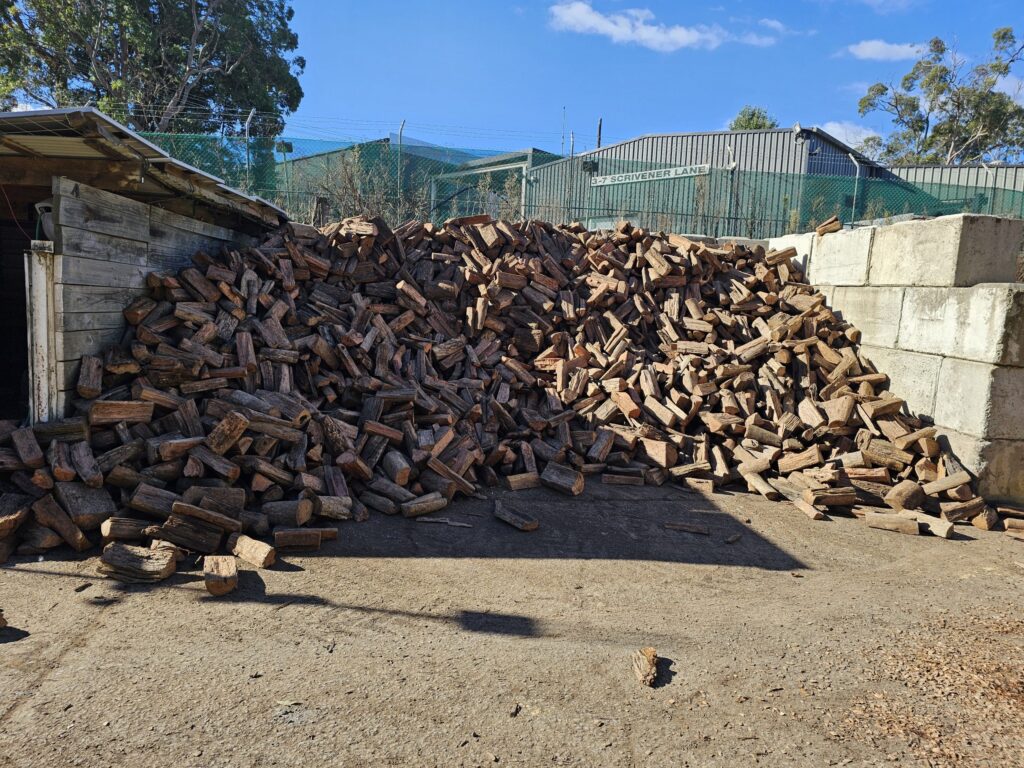
Firewood is the least regulated thing you will buy all winter. There is no mandatory grading, moisture labelling is voluntary, and volume is often described in units that mean nothing. If you have ever bought a load in Sydney that hissed, smoked and gave off almost no heat, you bought wet wood at a dry wood price. Here is how to avoid that.

Seasoning Is Everything

Freshly felled wood can be up to fifty per cent water by weight. Burning it means the fire spends its energy boiling water instead of heating your house, which produces heavy smoke, coats your flue with creosote and delivers maybe half the heat of dry wood.

Properly seasoned firewood sits at or below twenty per cent moisture content. In the Sydney climate, split hardwood needs roughly eight to twelve months stacked under cover with good airflow to get there. Softwoods dry faster, in around six months, but burn faster too.

The NSW EPA guidance on how to check your wood is aged and dry is blunt about it: green or unseasoned wood contains up to fifty per cent water, which causes fires to smoke, and if you are buying wood for immediate use you should ask the seller to verify it has been aged.

Firewood Sydney: How to Buy Well, Burn Clean, and Not Get Ripped Off

Five Field Tests Before You Pay

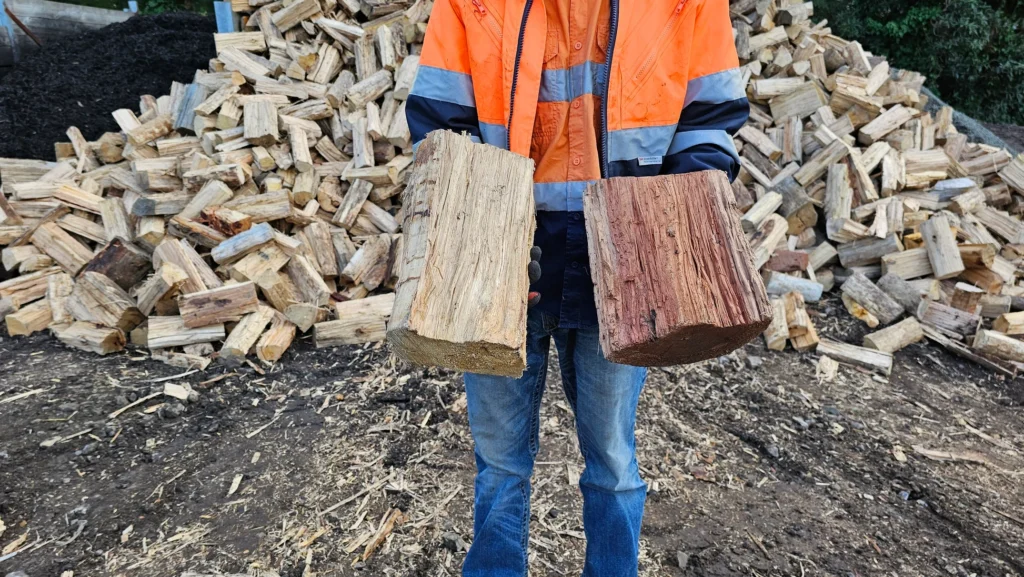
  • The clack test. Bang two pieces together. Dry wood gives a sharp, resonant crack. Wet wood gives a dull thud.
  • End checks. Dry rounds show radial cracks in the end grain.
  • Bark. On seasoned wood, bark is loose and often falling off.
  • Weight. Pick up two similar pieces. Seasoned hardwood is noticeably lighter than green.
  • Moisture meter. A $30 pin meter used on a freshly split face settles the argument. Under twenty per cent is good.

Best Species for a Sydney Fire

Redgum is the benchmark: dense, long burning, high heat, holds a bed of coals overnight. Ironbark is comparable and often cheaper. Box species, both yellow and grey, are excellent. Blackbutt and spotted gum burn well and are widely available around Sydney as a by-product of tree work.

Avoid or use sparingly: pine and other softwoods, which burn fast and deposit more creosote, so they are best used as kindling; camphor laurel, which is acrid; and anything treated, painted, laminated or salvaged from a building site, which releases genuinely toxic compounds.

Understanding the Volume You Are Buying

This is where most people get stung. Sellers quote in tonnes, cubic metres, barrows, utes and bags, and those are not interchangeable.

Indicative Sydney pricing:

  • Small bag, roughly 15 to 20kg: $12 to $25
  • Bulk bag, around 0.7 to 1 cubic metre: $120 to $220
  • Cubic metre loose, delivered: $150 to $280
  • Tonne of mixed hardwood, delivered: $280 to $450
  • Tonne of premium redgum, delivered: $380 to $600
  • Kindling bag: $10 to $20

Buy by tonne or cubic metre and ask whether the price includes delivery and stacking, because delivery inside the Sydney basin commonly adds $50 to $120.

Buy in Summer, Burn in Winter

The single best move a wood burner can make is buying in January or February. Prices are lower, supply is better, and crucially you get the wood into your own stack with six months of hot dry weather to finish seasoning it. Buying in June puts you at the mercy of whatever is left, at peak prices, often only half seasoned.

How to Store It

Get it off the ground on pallets or a timber frame, cover the top only, leave the sides open for airflow, stack it in single rows rather than a solid block, and orient the rows to catch prevailing wind and afternoon sun. Keep the pile away from the house wall to avoid inviting termites and spiders indoors, and only bring a few days worth inside at a time.

Firewood Sydney: How to Buy Well, Burn Clean, and Not Get Ripped Off

Burning Clean and Staying Legal

Wood heaters are regulated in NSW for good reason. The EPA notes that smoke from wood heaters is a major cause of air pollution and that a smoking fire is wasting your money. Under the wood smoke regulation, all new solid fuel home heaters sold in NSW must achieve at least sixty per cent efficiency and emit no more than 1.5 grams of particles per kilogram of fuel burnt, in line with Australian and New Zealand Standards 4012 and 4013.

Operating essentials: start with kindling and small pieces, stack loosely so air circulates, keep the flame lively and bright, open the air intake for five minutes before and twenty minutes after adding fuel, never let the fire smoulder overnight, burn hot for one to two hours daily to limit creosote build-up, and get the flue swept annually. Local councils can and do act on excessive smoke complaints.

Sourcing Ethically

Be careful where your wood comes from. Firewood harvesting has damaged some genuinely threatened vegetation communities and destroyed hollow-bearing trees that native animals depend on. Buying from tree service companies is often the best option, because that timber is a by-product of work that was happening anyway rather than trees felled for fuel. Ask your supplier where it came from. A good one will tell you.

Bottom Line

Buy hardwood by the tonne, buy it in summer, test it before you pay, stack it off the ground with the sides open, and burn it hot. Wet wood is not a bargain, it is a con with a delivery fee.

Tree Cutting Services

Top 5 Reasons To Book Tree Cutting Services Before Summer

Below are five practical reasons many households and site managers choose to get it done in spring.

Why does pre-summer tree cutting reduce storm and heat-season hazards?

Tree cutting services help lower the chance of branches failing when summer weather turns intense. By cutting back weak, dead, or overloaded limbs early, they reduce the risk of breakages during thunderstorms, high winds, or sudden downpours. For situations where trees pose a higher structural risk or may require full removal, professional assistance can be found through https://treesdownunder.com.au/tree-removal.

Summer also brings heavier canopies and a higher sail effect in wind. A professional cut can thin or rebalance the crown so trees are less likely to drop branches onto cars, roofs, fences, greenhouses, or power lines when conditions change quickly.

How can booking early make it easier to get the date they want?

Because summer is peak season, availability tightens fast. Many reputable teams fill their diaries weeks ahead once people notice overgrowth or storm damage, and the most convenient slots often go first.

Booking before summer gives them more choice over timing, especially if access needs planning, neighbours need notice, or parking and traffic control are required. It also reduces the chance of paying more for urgent callouts when a problem suddenly becomes time-sensitive.

How does spring cutting support healthier growth and better-looking trees in summer?

It helps trees put energy into the right places. Removing deadwood, crossing branches, or poorly positioned growth before summer can improve light and airflow through the canopy, which can reduce stress as temperatures rise.

It also improves appearance for the season when gardens and outdoor areas get used most. A well-shaped crown looks intentional rather than hacked back, and it can prevent a tree from shading patios, lawns, or borders too heavily just as plants and grass need more sunlight.

Why is it smarter to address risky branches before outdoor spaces get busy?

Because people spend more time outside in summer, hazards become more serious. Overhanging limbs above seating areas, driveways, play equipment, or footpaths can pose a bigger liability when guests, children, or tenants are using the space daily.

Pre-summer cutting lets them make outdoor areas safer before barbecues, holidays, and longer evenings in the garden. It also helps reduce falling twigs, sap, and leaf litter where people walk, park, or relax, which makes routine maintenance easier through the warm months.

How can early tree cutting prevent damage to roofs, gutters, and nearby plants?

It stops preventable wear from getting worse. Branches that brush roofs or walls can damage tiles, soffits, and render over time, while dense growth can clog gutters and trap moisture, increasing the chance of leaks and damp issues.

It also protects other planting. If a tree has started to crowd borders or overshadow a lawn, cutting it back before summer helps nearby shrubs, flowers, and grass compete fairly for light and water. For fruit trees, selective cutting can also reduce broken limbs later when fruit weight builds. You may like to visit https://www.planning.nsw.gov.au/policy-and-legislation/urban-greening/benefits-of-greening/tree-care-tips to learn more tree care tips.

Tree Cutting Services

What should they do next before booking tree cutting services?

They should start by identifying what they want to achieve: improved safety, more light, clearance from structures, or a general tidy-up. Then they can request a site visit and written quote, and ask what will happen to the waste, whether stump work is needed, and if any permissions apply. Related reading: residential tree services in Sydney and what homeowners can typically expect.

If they book before summer, they are more likely to get a calmer process, better scheduling, and a safer, cleaner outdoor space for the months when it matters most.

FAQs (Frequently Asked Questions)

Why is it important to book tree cutting services before summer?

Booking tree cutting services before summer helps property owners reduce safety risks by removing weak or overloaded branches, protects plants and structures from damage, and avoids last-minute scheduling issues during the busy peak season.

How does pre-summer tree cutting reduce hazards during storms and heatwaves?

Pre-summer tree cutting lowers the chance of branch failure by removing weak, dead, or overloaded limbs early. This reduces the risk of breakages during intense summer weather like thunderstorms, high winds, or sudden downpours, and rebalances the crown to minimise damage to cars, roofs, fences, greenhouses, or power lines.

What are the benefits of spring tree cutting for tree health and garden appearance?

Spring cutting supports healthier growth by improving light and airflow through the canopy, reducing stress as temperatures rise. It also enhances garden aesthetics with a well-shaped crown that avoids excessive shading on patios, lawns, or borders during peak outdoor use in summer.

Why should risky branches be addressed before outdoor spaces become busy?

Addressing risky branches before outdoor spaces get busy ensures safety for guests, children, and tenants who spend more time outside in summer. It reduces hazards over seating areas, driveways, play equipment and footpaths while minimising falling twigs, sap, and leaf litter for easier maintenance.

How can early tree cutting prevent damage to roofs, gutters and nearby plants?

Early tree cutting stops preventable wear by removing branches that brush against roofs or walls which can cause tile or render damage. It prevents gutter clogging from dense growth trapping moisture and protects neighbouring plants by reducing overcrowding and overshadowing before summer.

What steps should property owners take before booking tree cutting services?

Owners should identify their goals such as improved safety or clearance from structures. They should request a site visit and written quote from professionals, inquire about waste removal, stump work needs, and any required permissions. Booking early ensures better scheduling and a safer outdoor space for summer.

tree removal

How Tree Removal Can Increase Your Property Value in Australia

The Strategic Link Between Tree Removal and Property Value

When homeowners think of “landscaping,” they often think of planting. However, for many Australian properties, how tree removal can increase your property value is a much more critical question. In a competitive real estate market, the difference between a “hidden gem” and a “hazel-obscured hazard” often comes down to the management of large-scale vegetation.

Strategic tree removal isn’t just about cutting down wood; it’s an investment in curb appeal, structural integrity, and usable space. Whether you are preparing a home for sale in Sydney or renovating a lifestyle block in Queensland, understanding the ROI of arborist services is essential for a high-value exit strategy.

See more: Seasonal Tree Care Tips From Experts in Tree Pruning Sydney


Why Strategic Tree Removal is a High-ROI Investment

In the context of Australian real estate, trees are assets—until they aren’t. While a healthy, well-placed gum tree provides shade and character, an overgrown or poorly positioned tree can actively detract from a property’s market price.

1. Enhancing Curb Appeal and “The First Look”

The first thing a potential buyer sees is the facade of the home. If a large, unkempt tree obscures the architectural features of the house, it creates a sense of neglect.

  • Visual Symmetry: Removing awkward or asymmetrical trees allows the home’s design to shine.
  • Light Penetration: Dense canopies can make interiors feel dark and damp. Removing specific trees floods the home with natural light, a top priority for modern buyers.

2. Increasing Usable Square Meterage

In urban areas like Melbourne or Brisbane, land is the most valuable component of the property. A poorly placed tree in the middle of a backyard can render thousands of dollars worth of land unusable.

  • Outdoor Living: Removal can create space for a deck, alfresco dining, or a swimming pool.
  • Development Potential: For investors, removing trees (within local council regulations) can unlock the potential for granny flats or extensions.

3. Mitigating Structural Risk

Smart buyers hire building inspectors. If a tree’s root system is encroaching on the slab, plumbing, or perimeter walls, it will be flagged as a high-risk liability.


How Tree Removal Can Increase Your Property Value: Best Practices

Maximizing your return requires a surgical approach rather than a “clear-fell” mentality. Here are the best practices for aligning tree removal with property valuation.

Prioritize Safety and Liability

A dead or dying tree is a ticking financial time bomb. In Australia’s storm seasons, these trees pose a risk to the home and neighboring properties. Removing these hazards immediately increases the “insurability” and perceived safety of the home.

Focus on Vista and Views

If your property is located near the coast, mountains, or a city skyline, a tree blocking that view is literally costing you money. “View pruning” or total removal can add significant percentage points to an asking price.

Correcting “Planting Mistakes” of the Past

Many Australian homes built in the 70s and 80s featured species that grow too large for suburban blocks (like certain Ficus or Eucalypt species). Removing these and replacing them with native, non-invasive species demonstrates “smart landscaping.”

FeatureImpact of Overgrown TreesImpact After Strategic Removal
Natural LightDim, shadowed interiorsBright, airy living spaces
Footpath/DrivewayCracked, uneven surfacesClean, safe entryways
Gutter HealthConstant blockages/Fire riskLow maintenance/High safety
Buyer PerceptionHigh maintenance “project”Turn-key, ready-to-move-in

The Step-by-Step Process for Value-Add Tree Removal

To ensure your tree removal project contributes to a higher valuation, follow this professional framework:

Step 1: Professional Arborist Assessment

Before touching a saw, hire a Level 5 Arborist. They can provide a report on tree health and, more importantly, identify which trees are “protected” under your local council’s Vegetation Management Plan (VMP).

Step 2: Council Approval and Permitting

In Australia, unauthorized removal of protected species can result in five-figure fines. Ensure you have the necessary permits. This paperwork is also a “selling point” to show buyers that all work was done legally.

Step 3: Strategic Removal and Stump Grinding

Never leave a stump behind. A stump is a signal to buyers of “unfinished work” and a potential magnet for termites. Professional stump grinding ensures the land is ready for immediate turfing or paving.

Step 4: Remedial Landscaping

Once the tree is gone, the ground will look bare. Immediate “make-good” work—such as laying fresh Buffalo turf or installing garden beds—is what actually “locks in” the value increase.

tree removal

Common Mistakes That Devalue Your Property

Not all tree removal is beneficial. Avoid these pitfalls to protect your equity:

  • The “Barren” Look: Removing every single tree can make a property look hot, exposed, and sterile. Retain “hero” trees that provide shade.
  • DIY Disasters: Attempting to remove large trees yourself can lead to property damage or personal injury, neither of which helps your ROI.
  • Ignoring Council Fines: Selling a house with an unresolved council infringement for illegal clearing is an administrative nightmare that will scare off buyers.
  • Leaving the Mess: Professional tree loppers should include mulch removal or site cleaning in their quote. A messy site suggests a lack of care for the property.

Internal Linking & Authority Suggestions

Internal Linking Opportunities (Suggested Anchor Text):

  • Professional stump grinding services
  • Local council tree removal permits Australia
  • Best native Australian trees for small gardens
  • Landscaping tips for selling your home

External Authority References:

  • Arboriculture Australia: For standards on professional tree care and safety.
  • Local Government Association (LGA): Regarding regional tree preservation orders and legal requirements.

FAQ: Tree Removal and Property Value

Does removing a tree always increase property value?

Not always. A healthy, mature tree that provides shade and privacy can add value. However, if the tree is damaging the foundation, blocking views, or is a safety hazard, removing it will almost certainly increase the property’s marketability and value.

How much does tree removal cost in Australia?

Costs vary significantly based on the tree’s height, location, and complexity. Generally, prices range from $500 for small trees to over $5,000 for large, complex removals requiring cranes.

Will I need a permit to remove a tree before selling?

In most Australian suburban areas, yes. Each local council has specific “Tree Preservation Orders.” You should check your local council’s website or consult an arborist before proceeding.

Can I remove a tree myself to save money?

For small ornamental trees, DIY is fine. However, for anything near power lines, fences, or the home, you should hire a professional. The risk of property damage far outweighs the savings.

How does tree removal affect my home insurance?

Removing hazardous trees can lower your risk profile. Many insurers view dead trees as a liability for “impact damage” claims during storm seasons.


Conclusion: Balancing Nature and Net Worth

Understanding how tree removal can increase your property value is about finding the balance between environmental beauty and structural utility. By removing hazardous, invasive, or poorly placed trees, you open up your property to better light, more usable space, and a significantly higher appeal to potential buyers.

If you are planning to sell or simply want to protect your biggest asset, a strategic arborist consultation is the best place to start. Don’t let an overgrown past dictate the future value of your home.

Tree Cutting Services

Tree Removal Sydney: Council Regulations You Must Follow – A Complete Guide


Introduction – Why Tree Removal Is a Serious Matter in Sydney

If you’re a Sydney homeowner or property manager, there’s a good chance you’ve dealt with a troublesome tree at some point. Maybe it’s blocking sunlight, leaning too close to the house, or dropping branches after every storm. But before you break out the chainsaw or call in the pros, there’s one crucial thing you need to know:

Tree removal in Sydney is heavily regulated.

Cutting down or even significantly pruning a tree without permission can lead to serious fines. Local councils have specific rules to protect Sydney’s leafy character, preserve native species, and maintain environmental balance. So, whether you’re planning renovations, improving safety, or removing a dying tree, understanding the Sydney council tree rules is essential.

This guide walks you through everything — from why people remove trees to the cost, risks, and how to stay compliant with local regulations.


Why People Remove Trees in Sydney

There are plenty of valid reasons homeowners look into tree removal in Sydney, and most fall under safety, space, or environmental concerns.

🌀 1. Storm or Wind Damage

Sydney storms can leave trees cracked, leaning, or partially uprooted — turning them into real hazards for homes, cars, or power lines.

🦠 2. Disease or Decay

Fungal infections, borers, and root rot are common in some areas. Once a tree becomes structurally unsound, it poses a serious risk of collapse.

🏠 3. Property Development

If you’re building an extension, adding a pool, or redesigning your yard, a tree might be in the way — especially on smaller Sydney blocks.

⚠️ 4. Safety Concerns

Overhanging branches, unstable trunks, or invasive roots damaging plumbing or foundations can all warrant removal.

🌳 5. Invasive Species or Poor Placement

Some trees just weren’t planted in the right spot — or they’ve outgrown their welcome. Others may be declared invasive and are better removed.

See more: Pest Inspections Sydney: Why They’re Crucial for Homeowners and Buyers


Do You Need Council Approval?

Here’s the big question — and in many cases, yes, you absolutely do.

Most Sydney councils enforce a Tree Preservation Order (TPO), which protects certain trees based on height, trunk diameter, species, or location.

Common TPO criteria:

  • Height: Trees taller than 5–6 metres often require approval.
  • Trunk diameter: Over 300mm at 1 metre above ground is usually protected.
  • Species: Native or heritage-listed trees are often off-limits without a permit.
  • Location: Bushfire zones, heritage areas, and wildlife corridors have additional protections.

Examples by council:

  • City of Sydney Council: Approval needed for most trees over 5m tall or 300mm wide.
  • Northern Beaches Council: Allows removal within 3m of a dwelling, with some exceptions.
  • Inner West Council: Requires a permit unless the tree is on the exempt species list.

Not sure if your tree is protected? Check your local council’s tree removal guidelines, or contact a qualified arborist who can assess it for you.


Costs of Tree Removal in Sydney

Tree removal isn’t one-price-fits-all. The cost of tree removal in Sydney depends on several key factors.

Average cost ranges:

  • Small tree (under 5m): $250–$500
  • Medium tree (5–10m): $500–$1,500
  • Large tree (10m+): $1,500–$5,000+

These numbers vary widely depending on the job complexity.

Factors that affect cost:

  • Tree size and location
  • Access to the site
  • Proximity to structures or power lines
  • Type of equipment needed (crane, cherry picker, etc.)
  • Stump removal (often charged separately)
  • Disposal and clean-up services

Pro tip: Always get at least two detailed quotes, and confirm what’s included.


Risks of DIY Tree Removal

It might be tempting to DIY, especially if the tree seems small — but it can go wrong quickly.

Major risks include:

  • Injury: Chainsaws, falling branches, unstable footing — DIY jobs can end in serious harm.
  • Property damage: One wrong cut and a tree could fall on your roof, fence, or even a neighbour’s car.
  • Legal trouble: Removing a protected tree without council approval could land you with fines in the thousands.

Bottom line: Tree removal in Sydney is best left to professionals. It’s safer, legal, and often more cost-effective in the long run.

tree removel

How to Choose a Reliable Tree Removal Service in Sydney

Not all tree services are created equal. Here’s how to find one that’s experienced, compliant, and professional.

✅ Look for:

  • Certified arborists (AQF Level 3 or higher)
  • Public liability insurance (preferably $10M+)
  • Workers’ compensation insurance
  • Experience with local council applications
  • Positive reviews on Google, Facebook, or local forums
  • Transparent quotes with no hidden fees

Also ask whether they offer tree lopping, stump grinding, and eco-friendly waste removal.

Avoid “cash jobs” or operators without insurance — it’s not worth the risk.


What to Expect on the Day of Removal

Here’s a quick breakdown of what typically happens on removal day:

The Process:

  1. Safety check and planning
  2. Rope and rigging setup
  3. Branch and trunk removal (usually done top-down)
  4. Stump grinding, if included
  5. Mulching or green waste removal

Time estimate:

  • Small jobs: 1–3 hours
  • Medium trees: Half-day
  • Large or complex trees: Full day or more

Your tree removal team should walk you through the plan ahead of time. Make sure driveways are clear and pets are safely inside.


Eco-Friendly Disposal and What Happens to the Removed Tree

Gone doesn’t mean wasted.

Most tree removal companies in Sydney take pride in eco-friendly disposal:

  • Mulching: Branches are chipped into garden mulch (often available for you to keep)
  • Firewood: Trunks may be cut for use as firewood
  • Recycling: Some wood is used for furniture, garden beds, or soil improvement
  • Green waste: Recycled or composted off-site

Ask your arborist how they handle waste — and if you’d like to reuse any of it for your own garden.


Tips Before You Cut – Checklist for Sydney Residents

Here’s a quick pre-removal checklist to make sure you’re covered:

✅ Check your local council’s tree rules
✅ Take photos and notes about the tree’s condition
✅ Get 2–3 quotes from insured, qualified arborists
✅ Confirm what’s included in the service (stump grinding, disposal, permits)
✅ Notify neighbours if access or noise might affect them
✅ Secure pets and vehicles on the day of removal
✅ Ask about mulch or wood reuse options

Doing your homework ahead of time avoids delays, fines, and last-minute stress.


Final Thoughts

Tree removal in Sydney isn’t just about cutting down a tree — it’s about doing it safely, legally, and responsibly. With strict Sydney council tree rules in place, it’s essential to check local regulations, hire qualified experts, and think through the environmental impact.

Cutting corners with DIY or unlicensed services might seem cheaper up front, but it can quickly turn into a legal or safety nightmare. When in doubt, talk to a professional who understands your local area, knows the rules, and has the experience to do the job right.


Need Help with Tree Removal in Sydney?

Don’t risk a fine or injury. If you’re dealing with a damaged tree or planning renovations, speak to a licensed tree removal expert in Sydney who can guide you through council rules and provide a safe, professional service.

tree removel

Best Pest Control Sydney: Top-Rated Services for Every Pest Problem

Understanding the Importance of Pest Control

Pest control is an essential service for maintaining a healthy and safe living environment. In Sydney, where the climate is conducive to various pests, effective pest management is crucial for both residential and commercial properties. Pests can cause significant damage to structures, contaminate food supplies, and pose health risks to humans and pets alike.

Regular pest control not only prevents infestations but also protects the integrity of homes and businesses. A proactive approach to pest management can save property owners from costly repairs and health-related issues down the line. This article explores the top-rated pest control sydney services, highlighting their effectiveness in tackling various pest problems.

In addition to the immediate benefits of pest control, there are long-term advantages that often go unnoticed. For instance, many pest control services employ environmentally friendly methods that not only target pests but also minimise harm to beneficial insects and the surrounding ecosystem. This sustainable approach ensures that while homes and businesses remain pest-free, the natural balance of the environment is preserved. Moreover, regular inspections and treatments can lead to a deeper understanding of the specific pest challenges faced in different areas of Sydney, allowing for tailored solutions that are both effective and efficient.

Furthermore, the psychological impact of pest infestations should not be underestimated. The presence of pests can lead to increased anxiety and stress for residents and business owners alike. Knowing that a professional pest control service is in place can provide peace of mind, allowing individuals to focus on their daily activities without the looming worry of an infestation. In a city as vibrant and bustling as Sydney, where life moves at a fast pace, the assurance of a pest-free environment contributes significantly to overall well-being and quality of life.

Common Pests in Sydney

Sydney’s warm climate and diverse environment create an ideal habitat for a variety of pests. Understanding the common pests that plague the area can help residents and business owners identify potential threats and seek appropriate pest control solutions.

Termites

Termites are among the most destructive pests found in Sydney. They can silently cause extensive damage to wooden structures, leading to costly repairs. Early detection is key, and professional pest control services can provide thorough inspections and effective treatments to eliminate termite infestations.

Best Pest Control Sydney: Top-Rated Services for Every Pest Problem

Rodents

Rodents, including rats and mice, are not only a nuisance but also a health hazard. They can contaminate food, spread diseases, and cause structural damage by gnawing on wires and insulation. Pest control experts employ various methods, including traps and baiting, to manage rodent populations effectively.

Ants and Cockroaches

Ants and cockroaches are common household pests that can be challenging to eradicate. Ants often invade homes in search of food, while cockroaches thrive in warm, humid environments. Both pests can reproduce rapidly, making timely intervention by pest control professionals essential for effective management. Read more about the traits of ants at https://extension.umn.edu/insects-infest-homes/ants

Top-Rated Pest Control Services in Sydney

With numerous pest control companies operating in Sydney, selecting the right service can be daunting. Here are some of the top-rated pest control services known for their reliability and effectiveness.

Eco-Friendly Pest Control Solutions

Many residents are increasingly concerned about the environmental impact of pest control methods. Eco-friendly pest control services use natural and non-toxic products to manage pests while minimising harm to the environment. These companies often focus on integrated pest management (IPM) techniques, which combine various strategies for long-term pest control.

Emergency Pest Control Services

Some pest infestations require immediate attention, especially when they pose a significant threat to health or property. Emergency pest control services in Sydney are available 24/7, ensuring that urgent pest problems can be addressed promptly. These services often include quick inspections and rapid response treatments to mitigate damage.

Commercial Pest Control Specialists

Businesses, particularly those in the food and hospitality industries, must adhere to strict health regulations. Commercial pest control specialists are trained to handle pest issues specific to various industries. They provide tailored solutions that comply with health and safety standards, ensuring that businesses can operate without the threat of pest infestations.

Choosing the Right Pest Control Service

When selecting a pest control service, several factors should be considered to ensure the best outcome for pest management.

Experience and Expertise

Experience plays a crucial role in the effectiveness of pest control services. Companies with a proven track record and knowledgeable technicians are more likely to provide successful pest management solutions. Researching customer reviews and testimonials can provide insight into a company’s reliability and effectiveness.

Licensing and Certification

It is essential to choose a pest control service that is fully licensed and certified. This ensures that the company adheres to industry regulations and employs safe and effective pest control methods. Licensed professionals are trained to handle various pest issues and can provide appropriate solutions tailored to specific needs.

Customer Service and Support

Excellent customer service is a hallmark of a reputable pest control company. A responsive and helpful team can make the process smoother, from initial consultations to follow-up services. Companies that prioritise customer satisfaction are more likely to build long-lasting relationships with their clients. Click here to learn more about improving customer service.

Preventative Measures for Pest Control

Preventing pest infestations is often more effective and less costly than dealing with an existing problem. Here are some preventative measures that property owners can implement.

Regular Inspections

Scheduling regular pest inspections can help identify potential issues before they escalate. Professional pest control services can conduct thorough assessments of properties, checking for signs of infestations and recommending preventative measures. Early detection is key to effective pest management.

Maintaining Cleanliness

Maintaining a clean and tidy environment is one of the most effective ways to deter pests. Regular cleaning, proper food storage, and waste management can significantly reduce the likelihood of infestations. Paying attention to areas like kitchens, basements, and gardens can help keep pests at bay.

Sealing Entry Points

Pests often enter properties through small cracks and openings. Sealing these entry points can help prevent infestations. Property owners should regularly inspect their homes for gaps around doors, windows, and foundations, and take appropriate measures to seal them effectively.

Cost of Pest Control Services in Sydney

The cost of pest control services can vary significantly based on several factors, including the type of pest, the extent of the infestation, and the specific services required. Understanding these costs can help property owners budget effectively for pest management.

Best Pest Control Sydney: Top-Rated Services for Every Pest Problem

Factors Influencing Cost

Several factors can influence the overall cost of pest control services. The type of pest being treated, the size of the property, and the severity of the infestation all play a role. Additionally, companies may offer different pricing structures based on the services provided, such as one-time treatments versus ongoing maintenance plans.

Average Pricing

On average, residents in Sydney can expect to pay between £100 to £300 for standard pest control services. However, more extensive treatments, such as termite control, can range from £500 to £2,000, depending on the severity of the infestation and the treatment methods used. It is advisable to obtain quotes from multiple companies to ensure competitive pricing.

Conclusion

Effective pest control is vital for maintaining a safe and healthy environment in Sydney. With numerous top-rated services available, property owners can find solutions tailored to their specific pest problems. By understanding common pests, choosing the right service, and implementing preventative measures, residents can protect their homes and businesses from the threats posed by pests.

Investing in professional pest control not only addresses immediate issues but also contributes to long-term peace of mind. With the right approach, pest infestations can be managed effectively, ensuring a pest-free environment for all.

Related : Pest Inspections Sydney: Why They’re Crucial for Homeowners and Buyers

Pest Inspections Sydney: Why They’re Crucial for Homeowners and Buyers

Pest Inspections Sydney: Why They’re Crucial for Homeowners and Buyers

The Importance of Pest Inspections

Pest inspections play a vital role in maintaining the integrity of a property. In Sydney, where the climate is conducive to various pests, these inspections become even more crucial for homeowners and potential buyers. Understanding the importance of pest inspections can save individuals from significant financial burdens and emotional distress in the long run.

For homeowners, regular pest inspections sydney can help identify issues before they escalate. Early detection of pest infestations can prevent extensive damage to the property and reduce the need for costly repairs. For buyers, a comprehensive pest inspection can provide peace of mind, ensuring that the property is free from hidden problems.

Types of Pests Commonly Found in Sydney

Sydney’s warm climate attracts a variety of pests that can cause damage to homes. Common pests include termites, cockroaches, rodents, and ants. Termites, in particular, are notorious for their ability to silently destroy wooden structures, making them a significant concern for homeowners.

Cockroaches and rodents can pose health risks, as they are known carriers of diseases. Ants may not cause structural damage but can invade kitchens and pantries, leading to contamination of food supplies. Understanding the types of pests prevalent in the area can help homeowners take proactive measures.

In addition to these common pests, Sydney is also home to a variety of other nuisances, such as spiders and wasps. While many spiders are harmless and can even be beneficial by controlling other pest populations, some species can deliver painful bites. Wasps, on the other hand, can become aggressive when their nests are threatened, posing a risk to anyone nearby. Homeowners should be vigilant and consider pest inspections not just as a one-off task but as part of an ongoing maintenance routine to safeguard their homes from these unwelcome guests.

Moreover, the impact of pests extends beyond mere physical damage; it can also affect the overall quality of life within a home. The presence of pests can lead to stress and anxiety for residents, particularly if infestations become severe. Families with children or pets may find themselves particularly concerned about the health implications associated with pests. Therefore, investing in regular pest inspections and preventative measures is not just a matter of property maintenance; it is also about ensuring a safe and comfortable living environment for all inhabitants. Read more about the type of pests at https://smfarm.cfans.umn.edu/pests-and-diseases/pests-and-diseases-introduction

Benefits of Regular Pest Inspections

Regular pest inspections offer numerous benefits that extend beyond mere identification of pests. They provide homeowners with a comprehensive understanding of their property’s condition and help in maintaining its value over time.

One of the key benefits is the early detection of infestations. Pest inspectors are trained to spot signs of pest activity that may not be visible to the untrained eye. This proactive approach allows homeowners to address issues before they become severe, ultimately saving time and money.

Pest Inspections Sydney: Why They’re Crucial for Homeowners and Buyers

Protecting Property Value

Maintaining a pest-free environment is essential for preserving property value. A home infested with pests can suffer from structural damage, which may lead to a decrease in market value. Regular inspections can help identify and mitigate these risks, ensuring that the property remains an attractive investment.

Moreover, potential buyers are often deterred by homes with a history of pest problems. A clean pest inspection report can enhance the marketability of a property, making it easier to sell in the future. In addition, many mortgage lenders require pest inspections as part of the loan approval process, particularly in areas prone to termite infestations. This requirement underscores the importance of maintaining a pest-free home, as it can directly influence financing options for prospective buyers.

Peace of Mind for Homeowners

For many homeowners, the thought of pests lurking within their walls can be unsettling. Regular pest inspections provide peace of mind, allowing individuals to enjoy their homes without the constant worry of hidden infestations. Knowing that a professional has thoroughly examined the property can alleviate stress and foster a sense of security.

Additionally, pest inspections can help homeowners develop a tailored pest management plan, ensuring that their property remains protected against future infestations. This plan may include recommendations for preventative measures, such as sealing entry points, maintaining proper sanitation, and regular monitoring. By being proactive rather than reactive, homeowners can significantly reduce the likelihood of encountering pest-related issues, ultimately contributing to a healthier living environment for their families.

Furthermore, the knowledge gained from these inspections can empower homeowners to make informed decisions regarding their property maintenance. Understanding the specific vulnerabilities of their home can lead to more effective strategies in safeguarding against pests. This not only enhances the overall comfort of the living space but also promotes a greater appreciation for the home as a long-term investment.

Pest Inspections for Home Buyers

For prospective home buyers, a pest inspection is an essential part of the purchasing process. It provides critical information about the property’s condition and can influence the decision to proceed with the purchase.

A thorough pest inspection can uncover hidden issues that may not be immediately apparent. For instance, evidence of past termite activity or current infestations can lead to negotiations for repairs or price reductions. This information empowers buyers to make informed decisions and protects them from potential financial pitfalls.

What to Expect During a Pest Inspection

A typical pest inspection involves a comprehensive examination of the property, both inside and out. Inspectors will look for signs of pest activity, such as droppings, nesting materials, and damage to wood structures. They will also assess the property for conditions that may attract pests, such as moisture issues or gaps in the building’s exterior.

The inspection usually takes a few hours, depending on the size of the property. Homeowners and buyers are encouraged to be present during the inspection, as this allows them to ask questions and gain valuable insights from the inspector. Click here to learn more about pest inspections.

Pest Inspections Sydney: Why They’re Crucial for Homeowners and Buyers

Choosing the Right Pest Inspector

Selecting a qualified pest inspector is crucial for ensuring a thorough and accurate assessment. Homeowners and buyers should look for inspectors who are licensed, insured, and have a good reputation in the industry. Reading reviews and asking for recommendations can help in making an informed choice.

It is also beneficial to choose an inspector who uses modern technology and techniques, as this can enhance the accuracy of the inspection. Some inspectors utilise thermal imaging cameras to detect hidden infestations, providing an added layer of assurance.

Cost Considerations

The cost of pest inspections in Sydney can vary based on several factors, including the size of the property and the complexity of the inspection. On average, homeowners can expect to pay between £200 and £400 for a standard inspection.

While this may seem like an additional expense, it is essential to view it as an investment in the property’s future. The cost of addressing a pest infestation can far exceed the price of a preventative inspection. Therefore, budgeting for regular inspections is a wise decision for any homeowner.

Long-Term Savings

Investing in regular pest inspections can lead to significant long-term savings. By identifying and addressing pest issues early, homeowners can avoid costly repairs and extensive damage. For instance, termite damage can lead to structural issues that may require thousands of pounds in repairs.

Furthermore, maintaining a pest-free home can reduce the need for ongoing pest control treatments, ultimately saving money in the long run. Regular inspections provide a proactive approach to pest management, ensuring that any potential problems are dealt with before they escalate.

Conclusion

Pest inspections are an essential aspect of homeownership and property buying in Sydney. They offer numerous benefits, from early detection of infestations to maintaining property value and providing peace of mind. For homeowners, regular inspections can prevent costly repairs and ensure a safe living environment. For buyers, a thorough inspection can reveal hidden issues and inform purchasing decisions.

Investing in a pest inspection is a small price to pay for the protection it offers. With the right inspector and a commitment to regular assessments, homeowners can safeguard their properties against the threat of pests, ensuring a healthy and secure living space for years to come.

Related : Best Pest Control Sydney: Top-Rated Services for Every Pest Problem

Tree Service

Complete Tree Services in Sydney for Every Property Type

In the vibrant city of Sydney, trees are more than just picturesque parts of the landscape; they’re crucial for the environment, aesthetics, and safety. Homeowners, businesses, and municipalities all benefit from professional tree services tailored for every property type. This article explores the importance of tree services, the comprehensive range of offerings, and tips on choosing the right provider.

Understanding the Importance of Tree Services

Tree services encompass various activities aimed at maintaining, enhancing, and removing trees to ensure safety, beauty, and environmental health. They are essential for homeowners and businesses alike, providing numerous benefits that extend beyond aesthetics. For professional assistance and safe solutions, you can explore expert tree removal services at https://treesdownunder.com.au/tree-removal.

Enhancing Property Aesthetics with Tree Services

One of the primary reasons people invest in tree services is to enhance the beauty of their property. Well-maintained trees can significantly improve the appearance of a home or business, making it more inviting and increasing its overall value. Pruning, trimming, and shaping trees can create a refined look that reflects the property owner’s tastes.

Moreover, trees add character to a property. With seasonal changes, they contribute to a dynamic landscape that attracts attention and can even increase foot traffic to a business. For example, flowering trees in spring or golden leaves in autumn can transform an ordinary space into a visual delight. Additionally, strategically placed trees can provide shade, making outdoor areas more comfortable for gatherings and enhancing the overall experience for visitors and residents alike.

Ensuring Safety through Professional Tree Care

While trees offer beauty, they can also pose risks if not properly maintained. Dead or diseased trees can become hazardous, especially during storms or strong winds, leading to possible damage to properties or injury to people. Regular inspections and maintenance by professionals are crucial to identifying potential dangers early.

Additionally, tree services include removing low-hanging branches that can obstruct visibility or interfere with power lines. This maintenance ensures that both the property and the surrounding community remain safe. Furthermore, professional arborists are trained to assess the health of trees, providing insights into potential issues that may not be immediately visible to the untrained eye. This proactive approach not only safeguards the property but also promotes the longevity of healthy trees.

Contributing to Environmental Sustainability

Tree services play a vital role in promoting environmental sustainability. Healthy trees contribute to cleaner air, reduced soil erosion, and improved biodiversity. By maintaining trees responsibly, professional services help promote a balanced ecosystem within urban areas.

Moreover, when trees are removed, responsible tree services prioritize recycling and using wood for various purposes, minimizing waste and fostering a sustainable approach to landscaping. Also, through planting initiatives, tree services help restore local habitats and increase greenery in the city. In addition to these efforts, many tree service companies engage in educational outreach, teaching communities about the importance of trees in combating climate change and the benefits of maintaining a diverse urban forest. This knowledge empowers individuals to take an active role in their local environment, fostering a sense of stewardship and responsibility towards nature.

Comprehensive Range of Tree Services in Sydney

Sydney hosts various tree service providers, each offering a comprehensive range of services tailored to meet the needs of different clients. Understanding these services will help property owners make informed decisions about their tree care needs.

Tree Pruning and Trimming

Tree pruning is the process of selectively removing certain parts of a tree, such as branches and buds. This practice is essential for maintaining healthy tree growth and structure. By trimming trees, professionals can enhance their aesthetic appeal while ensuring they receive ample sunlight and air.

Additionally, regular pruning can help prevent diseases from spreading while promoting better flower and fruit production. Homeowners can enjoy a healthier landscape and potentially a more fruitful garden through consistent pruning practices. Furthermore, pruning can also shape trees to fit specific design aesthetics, making them a focal point in landscaping. For instance, ornamental trees can be pruned to highlight their unique forms, while fruit trees can be shaped to maximize yield, ensuring that each season brings a bountiful harvest.

Tree Removal and Stump Grinding

Sometimes, tree removal is the only viable option. Reasons for this include disease, damage, or proximity to structures that can lead to safety hazards. Trained professionals assess each situation carefully, considering the impact of removal on the surrounding environment.

After a tree is removed, stump grinding comes into play. This service ensures that the remaining stump is eliminated, preventing regrowth and allowing for a clean slate for landscaping or construction. It also minimizes the risk of pests that are often attracted to decaying stumps. Moreover, stump grinding can be an opportunity for creative landscaping; the mulch produced can be repurposed in gardens, providing nutrients back to the soil. Property owners may also consider using the area for new plantings or even decorative features, turning a potential eyesore into a vibrant part of their outdoor space.

Tree Service

Emergency Tree Services

Emergency tree services are crucial, especially in areas prone to severe weather. Following storms, high winds, or other natural events, trees may become damaged, posing immediate safety risks. Fast response from professional services can prevent additional damage to properties.

These emergency services might include tree removal, branch clearance, and debris clean-up. Keeping contact information for a reliable tree service provider on hand can help property owners manage unexpected tree-related emergencies effectively. In addition to immediate response, many tree service companies offer preventative measures, such as risk assessments and storm preparation consultations. By evaluating the health and stability of trees before severe weather strikes, homeowners can take proactive steps to mitigate potential hazards, ensuring their property remains safe and secure throughout the year.

Tree Services for Different Property Types

Every property comes with its own set of challenges and requirements when it comes to tree care. Understanding the different types of services available for each property type can help ensure the right approach is taken.

Residential Tree Services

For homeowners, maintaining a safe and beautiful landscape is often a top priority. Residential tree services cater specifically to individual needs, offering tailored solutions such as pruning, removal, and planting.

Professional tree care can enhance home value, create appealing outdoor spaces, and reduce potential hazards, ensuring the property remains a safe haven for families. Additionally, seasonal tree care is crucial; for instance, spring is an ideal time for planting new trees, while late fall is perfect for pruning. Homeowners can also benefit from consultations that provide guidance on selecting tree species that thrive in their local climate, ensuring a vibrant and sustainable landscape.

Commercial Tree Services

Businesses also benefit significantly from tree services. A well-maintained landscape not only attracts customers but also conveys professionalism. Commercial tree services may include regular maintenance, installation of new trees, and ongoing assessments of tree health.

Furthermore, having well-kept green spaces can improve employee morale and enhance the overall work environment. Eco-conscious businesses can emphasize sustainability through responsible tree management, which may attract like-minded customers and clients. Implementing environmentally friendly practices, such as using native plants and minimizing chemical treatments, can also contribute to a company’s green credentials, showcasing their commitment to corporate social responsibility.

Public and Municipal Tree Services

Public and municipal properties require specialized tree services to manage large numbers of trees effectively. These services are important for public safety, aesthetic considerations, and overall urban planning.

Municipal tree services may involve routine inspections, maintenance of street trees, and initiatives for planting new trees to enhance urban greenery. Engaging professional services ensures that city landscapes remain healthy and navigable for everyone. In addition to routine maintenance, municipalities often engage in community outreach programs that educate residents about the importance of urban forestry. These programs can foster a sense of community pride and encourage local participation in tree planting events, further enhancing the urban environment and promoting biodiversity within city limits.

Choosing the Right Tree Service Provider in Sydney

With numerous options available, selecting a tree service provider in Sydney can feel overwhelming. It’s essential to evaluate potential providers based on various criteria to ensure quality service.

Factors to Consider When Hiring a Tree Service Provider

When searching for a tree service provider, several factors should be considered:

  • Experience and Reputation: Look for providers with a solid track record and positive customer reviews.
  • Insurance and Certifications: Ensure that the company has the necessary insurance and certifications to operate safely and legally.
  • Service Range: Consider what specific services you may need and confirm that the provider offers those.
  • Cost Estimates: Obtain multiple quotes to compare pricing. However, remember that the cheapest option may not always be the best.

The Role of Certified Arborists

Hiring certified arborists ensures expert care for trees. These professionals hold specialized knowledge about tree biology, health, and safety practices. Their expertise can make a significant difference in the quality of service provided.

Certified arborists can provide valuable insights into the best care practices for your trees, helping to achieve optimal health and longevity. Investing in qualified professionals can save costs in the long run by avoiding potential tree-related issues. They can also identify early signs of disease or pest infestations, allowing for timely intervention that can prevent more extensive damage and costly repairs down the line.

Tree Service

Understanding the Cost of Tree Services

Costs for tree services vary significantly based on several factors. These may include the type of service required, the size and location of the tree, and the complexity of the job. Seasonal demand can also impact pricing, with some times of the year being busier for tree services.

Property owners should obtain quotes and discuss the specifics of the services needed to understand the overall cost better. Additionally, investing in regular maintenance can ultimately reduce the likelihood of higher costs from emergency services. For instance, routine inspections and pruning can prevent hazardous situations, such as falling branches during storms, which could otherwise lead to injury or property damage.

Moreover, understanding the environmental impact of tree services is crucial. Many providers now emphasize sustainable practices, such as recycling tree waste into mulch or wood chips, which can be beneficial for landscaping. By choosing a provider that prioritizes eco-friendly methods, you not only contribute to the health of your local ecosystem but may also discover additional services that enhance your property’s sustainability.

More to Read : Tree Lopping Services Near Me: Choosing Reliable Tree Loppers

tree lopping

Tree Lopping Services Near Me: Choosing Reliable Tree Loppers

When it comes to maintaining the health and aesthetics of your trees, finding reliable tree lopping services is crucial. Tree lopping involves trimming parts of a tree to achieve specific goals such as shaping, safety, and health. With many services available, understanding what to look for can help ensure that your trees are in capable hands.

Understanding Tree Lopping and Its Importance

Tree lopping is not just a matter of cutting branches randomly; it plays an essential role in the overall care of trees. It can improve a tree’s health by allowing better light penetration and air circulation, thus keeping the tree strong and vibrant. This practice is particularly crucial in densely populated areas where trees might compete for limited sunlight. By strategically lopping branches, tree care professionals can ensure that each tree receives the necessary light to thrive, promoting a healthier ecosystem. For situations where a tree is beyond recovery or poses a safety risk, click here.

Furthermore, proper lopping can prevent safety hazards. Dead or overhanging branches can become a liability, especially during storms. Regular maintenance through lopping minimizes risks associated with fallen branches and encourages better growth. In addition to enhancing safety, lopping can also help in maintaining the aesthetic value of your landscape. A well-shaped tree adds beauty to the environment, creating a pleasing visual effect that can increase property value.

What is Tree Lopping?

Tree lopping refers to the practice of cutting back branches and foliage from a tree, often with the purpose of enhancing its shape or health. This procedure is performed with specific tools and methods to make precise cuts that help the tree heal properly. It is important to note that lopping is not synonymous with tree topping, which can severely damage a tree by removing large sections of its canopy. Instead, lopping focuses on careful pruning that encourages growth while preserving the tree’s natural form.

Different species of trees require varying techniques for lopping to achieve optimal results. For example, hardwood trees may need different approaches compared to softwood species due to their unique growth patterns and structural characteristics. It’s essential to understand that lopping must be done judiciously to avoid harm to the tree. Unauthorized and heavy lopping can lead to tree stress and long-term damage. This is why consulting with a certified arborist is often recommended, as they can provide expert guidance tailored to the specific needs of each tree.

Why is Tree Lopping Necessary?

Tree lopping is necessary for multiple reasons, including improving the tree’s health and safety. Overgrown trees can block sunlight and hinder the growth of surrounding plants, while also posing risks in urban settings. In addition, trees that are not regularly maintained can become overburdened, making them more susceptible to pests and diseases. By lopping branches, you can help to create a more balanced structure that supports the tree’s overall vitality.

Moreover, lopping helps in promoting new growth. By removing certain branches, you encourage the tree to prioritize resources towards remaining limbs, resulting in a fuller and healthier crown. This practice can also stimulate flowering and fruit production in certain species, enhancing their ecological contributions. Furthermore, lopping can be a proactive measure to manage tree size and shape, ensuring that they remain suitable for their environment and do not encroach on power lines or buildings. This careful management is vital for urban forestry, where space is often limited, and trees must coexist harmoniously with human infrastructure.

Factors to Consider When Choosing Tree Lopping Services

Selecting the right tree lopping service involves several considerations that can influence the effectiveness and safety of the job. Here are some key factors to keep in mind.

Experience and Expertise

When looking for a tree lopper, experience is a significant factor. An experienced professional will have comprehensive knowledge of various tree species and their specific requirements. They can provide you with insights about the best practices and solutions for your particular situation.

Additionally, experts can assess potential risks associated with tree lopping, especially in residential areas. A skilled tree lopper will be adept at bringing safety measures into play, ensuring both their safety and yours. Their familiarity with local tree species can also help in identifying any potential issues, such as infestations or diseases, which may require a different approach than standard lopping.

Equipment and Techniques

Another crucial consideration is the type of equipment the tree lopping service uses. Modern tools and techniques not only make the job faster but also safer for both the tree and the workers. Look for companies that use well-maintained and up-to-date equipment.

Techniques such as advanced pruning methods can significantly influence the health of the tree. Inquire about the techniques they employ to ensure they align with best industry practices. For instance, some companies may utilize specialized rigging systems for larger trees, which can minimize damage to surrounding areas and ensure a more precise cut. Understanding the methods they use can also give you confidence in their ability to preserve the integrity of your landscape.

Safety Measures and Insurance

Safety is paramount in any tree lopping procedure. Ensure that the service you choose adheres to the local safety regulations and possesses adequate insurance coverage. Insurance protects you from potential liabilities should an accident occur during the lopping process.

Ask about their safety training protocols for their employees. Companies that invest in proper training and equipment often reflect a commitment to both worker and client safety, making them more reliable choices. Furthermore, it’s beneficial to inquire about their emergency response plans. In the event of an unforeseen incident, a well-prepared team will have procedures in place to handle emergencies effectively, ensuring that both personnel and property are safeguarded throughout the process.

The Process of Tree Lopping

Understanding the tree lopping process can help you know what to expect and ensure everything runs smoothly. This process consists of several key stages.

Initial Assessment

The first step in the tree lopping process is an initial assessment by the lopping service. During this stage, professionals will evaluate the tree’s health, structure, and location.

This assessment helps determine the extent of lopping required and identifies any potential hazards that need to be addressed. They’ll also discuss the objectives you aim to achieve through the lopping process. Factors such as the tree’s species, age, and growth pattern are taken into consideration, as these elements can significantly influence the lopping strategy. For instance, certain species may require more delicate handling due to their unique growth habits or susceptibility to disease.

tree lopping

Lopping Procedure

Following the assessment, the actual lopping procedure begins. Professionals will strategically trim branches based on the health and structure of the tree. This process requires a deep understanding of tree biology to ensure that cuts are made in a way that promotes healing.

After lopping, doing a thorough clean-up is also essential to prevent pest infestations and maintain the aesthetics of your yard. The debris, including branches and leaves, should be properly disposed of or mulched, which can provide additional nutrients back to the soil. Additionally, it’s important to note that the time of year can affect the lopping process; for example, late winter or early spring is often ideal for many tree species, as it allows for optimal recovery and growth during the upcoming growing season.

Post-Lopping Care

Once the lopping procedure is complete, post-lopping care is crucial for the tree’s recovery. The service provider should offer guidance on how to best care for your tree post-lopping, including watering, fertilizing, and monitoring for disease.

Understanding the signs of stress in your tree following lopping can also help you take timely actions to support its health. Observing your tree closely during this period can ensure successful recovery. Look for signs such as wilting leaves, unusual discoloration, or excessive sap flow, which may indicate that the tree is struggling. Implementing a regular watering schedule, especially during dry spells, and applying a balanced fertilizer can significantly aid in the tree’s recovery process. Furthermore, consider the surrounding environment; ensuring that other plants are not competing for nutrients and that the tree has adequate sunlight can enhance its chances of thriving after lopping.

See Also : Complete Tree Services in Sydney for Every Property Type

Cost of Tree Lopping Services

The cost of tree lopping services can vary significantly based on several factors. Knowing what influences these costs can help you establish a reasonable budget.

Factors Influencing the Cost

Multiple elements can impact the final price of tree lopping. The size and number of trees requiring lopping play significant roles. Larger trees generally require more specialized equipment and labor hours, leading to increased costs.

Location is another influencing factor; services in urban settings sometimes come at a premium due to accessibility challenges. Additionally, the complexity of the lopping procedure and the disposal of waste can further affect your overall expenditure. For instance, if the tree is located near power lines or structures, the job may require more skilled labor and safety precautions, thereby increasing the cost. Furthermore, the time of year can also influence pricing, as demand for tree services often peaks in the spring and summer months when homeowners are more likely to undertake landscaping projects.

Estimating Your Tree Lopping Budget

To create a realistic budget for tree lopping, it’s advisable to gather multiple quotes from reputable service providers. This helps you gauge the average cost in your area and choose a service that suits your budget without compromising quality.

When budgeting, consider additional costs such as potential follow-up visits for maintenance or post-lopping care. A well-planned budget ensures you are prepared for both immediate and long-term tree care needs. It’s also wise to inquire about the qualifications and insurance of the service providers you are considering. Hiring a certified arborist not only ensures that the job is done correctly but can also save you money in the long run by preventing damage to your property and promoting the health of your remaining trees. Additionally, some companies may offer package deals that include lopping, trimming, and even fertilization, which can provide better value for your investment.

Frequently Asked Questions About Tree Lopping

Tree lopping can raise many questions, especially for homeowners unfamiliar with the process. Here are some frequently asked questions.

When is the Best Time for Tree Lopping?

Generally, the best time for tree lopping is during the dormant season, typically late fall to winter. At this time, trees are less stressed and can recover more quickly from lopping.

However, certain tree species may have specific lopping seasons based on their growth cycles. Consulting with a professional can help determine the ideal time based on your tree type.

Can I Do Tree Lopping Myself?

While DIY tree lopping may seem appealing to save costs, it is generally not recommended. Without the proper training and equipment, you risk harming the tree or yourself. Misjudgments in cutting can lead to lasting damage to your tree’s structure and health.

Hiring a professional ensures that the job is completed safely and effectively, ultimately saving you time and effort.

tree lopping

How Often Should Tree Lopping be Done?

The frequency of tree lopping depends on several factors, including the species of the tree, its growth rate, and local environmental conditions. In general, most trees would benefit from lopping every few years, but some fast-growing species may need it more frequently.

Regular assessments from a tree care professional can help you determine the best schedule for maintaining the health and beauty of your trees.

tree removal

Tree Removal Near Me: Tips for Choosing the Best Service

If you have trees on your property that need to be removed, it’s important to choose the right tree removal service. But with so many options available, how do you know which one is the best fit for your needs? In this article, we will discuss the basics of tree removal, factors to consider when choosing a service, the importance of professionalism in tree removal, questions to ask before hiring, and the role of local regulations. By the end, you’ll have the knowledge you need to make an informed decision and ensure the job is done safely and efficiently.

Understanding the Basics of Tree Removal

Tree removal is the process of cutting down and removing a tree from its base. It is usually done to eliminate dead, diseased, or hazardous trees that pose a risk to property or people. Additionally, trees may need to be removed to make way for construction projects or for aesthetic reasons. While some homeowners may attempt to remove trees themselves, it is generally advised to hire a professional service for safety and efficiency. For more details on professional solutions and safe practices, you can visit https://treesdownunder.com.au/tree-removal.

Tree removal is a task that requires careful planning and execution to ensure the safety of both the workers and the surrounding property. Before any cutting begins, a thorough assessment of the tree’s condition and the surrounding area is essential. This evaluation helps determine the best approach to safely bring down the tree without causing damage to nearby structures or endangering individuals.

There are various methods of tree removal near me, each suited for different situations. Tree climbing is a common technique used for smaller trees in tight spaces where heavy machinery cannot reach. For larger trees or those in challenging locations, professionals may utilize specialized equipment such as cranes or bucket trucks. The method chosen will depend on factors such as tree size, location, and accessibility, highlighting the importance of hiring experienced professionals with the right tools for the job.

What is Tree Removal?

Tree removal is the process of cutting down and removing a tree from its base. It is usually done to eliminate dead, diseased, or hazardous trees that pose a risk to property or people.

Why Might You Need Tree Removal?

There are several reasons why you might need tree removal services. Dead or diseased trees can become unstable and pose a safety hazard during storms or high winds. Additionally, trees that are growing too close to buildings or utility lines can cause damage and should be removed. Finally, if you’re planning a construction project or want to improve the visual appeal of your property, tree removal may be necessary.

Factors to Consider When Choosing a Tree Removal Service

When choosing a tree removal service, there are several important factors to consider:

Removing a tree is not just about cutting it down; it involves a series of steps to ensure safety and efficiency. From assessing the tree’s health to determining the best approach for removal, a reputable tree removal service will have the expertise to handle the job with precision.

Reputation and Reviews

Start by researching the reputation of the tree removal services in your area. Look for companies with positive reviews and satisfied customers. Recommendations from friends or neighbors can also be valuable in finding a reliable service.

Furthermore, inquire about the company’s certifications and insurance. A professional tree removal service should be fully insured and certified to perform tree removal safely and legally. This not only protects you as the homeowner but also ensures that the workers are covered in case of any accidents.

Pricing and Value

While price shouldn’t be the sole deciding factor, it is important to consider the cost of tree removal. Compare quotes from different services and ensure that you are getting value for your money. Be wary of any significantly lower prices, as this may indicate a lack of experience or quality equipment.

Services Offered

Tree removal can be a complex process that requires more than just cutting down the tree. Look for a service that provides additional services such as stump removal, debris cleanup, and wood chipping. This will ensure a comprehensive job and save you the hassle of hiring multiple companies.

Moreover, inquire about the disposal methods used by the tree removal service. Responsible companies will have environmentally friendly practices for disposing of tree debris, such as recycling wood chips or using them for mulch. Understanding their disposal process can give you insight into their commitment to sustainability.

The Importance of Professionalism in Tree Removal

Professionalism is crucial when it comes to tree removal due to the inherent risks involved. Working with a professional service will ensure that the job is carried out safely and efficiently.

Tree removal is not just about cutting down a tree; it involves careful planning and execution to ensure the safety of people and property nearby. Professionals in the field understand the complexities of tree removal, including assessing the tree’s health, determining the direction of its fall, and mitigating any potential hazards.

Safety Measures and Precautions

A professional tree removal service will prioritize safety. They will have the necessary equipment, knowledge, and experience to safely remove trees without causing damage or injuries. They will also follow proper safety protocols and use protective gear.

Before starting the tree removal process, professionals will conduct a thorough risk assessment to identify any potential dangers. This assessment helps them develop a strategic plan to safely bring down the tree, taking into account factors such as nearby structures, power lines, and the tree’s structural integrity.

Equipment and Training

Professional tree removal services will have access to specialized equipment that is necessary for the job. This includes chainsaws, climbing gear, and heavy machinery. Additionally, their staff will be trained in using this equipment safely and efficiently.

Training is a key component of professionalism in tree removal. Professionals undergo rigorous training to understand tree biology, proper cutting techniques, and safety procedures. This knowledge allows them to approach each tree removal project with precision and expertise, ensuring the job is done correctly the first time.

Questions to Ask Before Hiring a Tree Removal Service

Before hiring a tree removal service, it’s important to ask the right questions to ensure you are making an informed decision. Taking the time to gather all necessary information will help you choose a reputable and reliable company for the job.

One crucial aspect to inquire about is the experience and qualifications of the tree removal service. Ask how long they have been in business and if their staff members are certified arborists. A company with knowledgeable and skilled professionals is more likely to handle the job efficiently and safely.

Insurance and Liability

Ask the tree removal service if they have insurance coverage. This will protect you from any liability in case of accidents or property damage during the removal process. Additionally, ask if they have workers’ compensation insurance in case any of their employees are injured on your property. Verifying their insurance coverage will give you peace of mind knowing that you are protected in unforeseen circumstances.

Timeframe and Availability

Find out how soon the tree removal service can schedule your job. Some services may have a long waiting period, which may not be ideal if you have an urgent need. Additionally, inquire about their availability to ensure they can accommodate your preferred schedule. Understanding their timeframe and availability will help you plan accordingly and avoid any delays in getting the job done.

The Role of Local Regulations in Tree Removal

In many areas, tree removal is subject to local regulations. It’s important to be aware of these regulations before hiring a tree removal service:

Permits and Permissions

Check with your local authorities to determine if you need any permits or permissions for tree removal. Certain areas may have restrictions on removing certain tree species or have guidelines on the number of trees that can be removed. Failing to comply with these regulations can result in fines or legal consequences.

Environmental Considerations

Some areas may require tree replacement or compensatory planting if a tree is removed. This is to maintain the ecological balance and preserve the environment. Ensure that the tree removal service is knowledgeable about these regulations and can assist you in meeting any requirements.

It’s also worth noting that in some regions, there are specific seasons or times of the year when tree removal is prohibited. This is often to protect nesting birds or other wildlife that may be using the trees for shelter. Before scheduling any tree removal, be sure to check if there are any seasonal restrictions in place to avoid any conflicts with local wildlife protection laws.

Furthermore, certain neighborhoods or communities may have their own set of guidelines regarding tree removal. Homeowners’ associations, for example, could have rules in place to maintain the aesthetic appeal of the area or to preserve a certain tree canopy coverage. Before making any decisions about tree removal, it’s advisable to review any additional regulations that may apply within your specific community to prevent any potential disputes or penalties.

By considering these factors and asking the right questions, you can ensure that you choose the best tree removal service for your needs. Remember to prioritize safety, professionalism, and compliance with local regulations. With the right service, you can have peace of mind knowing that your tree removal job will be handled efficiently and responsibly.

Related: Essential tree services near me: what to look for.