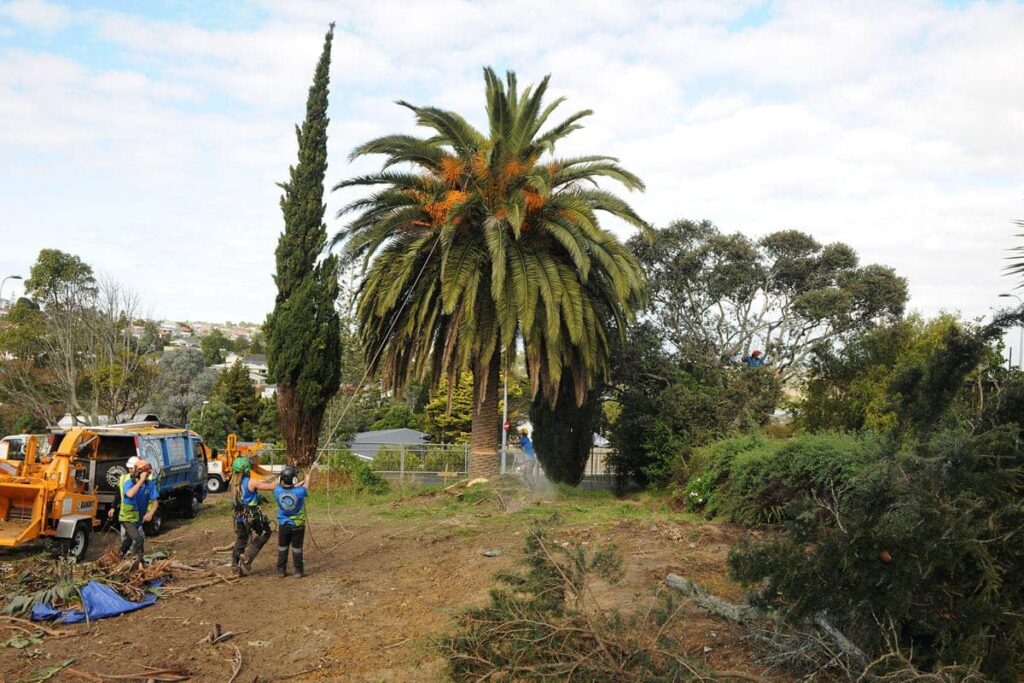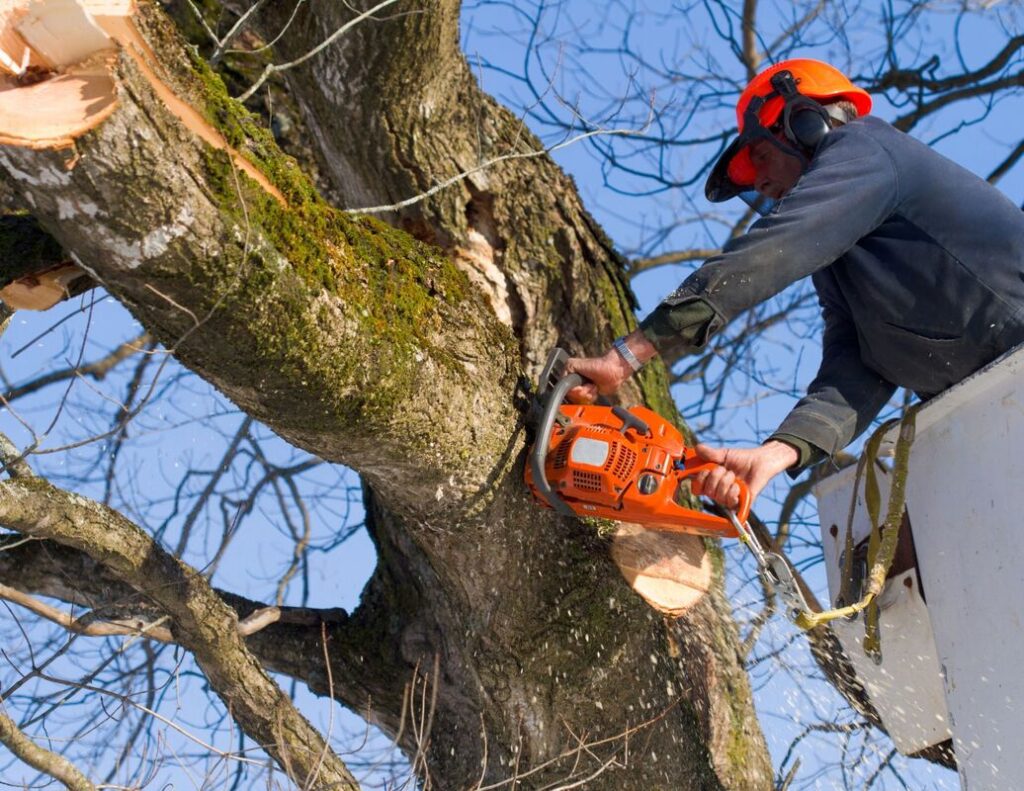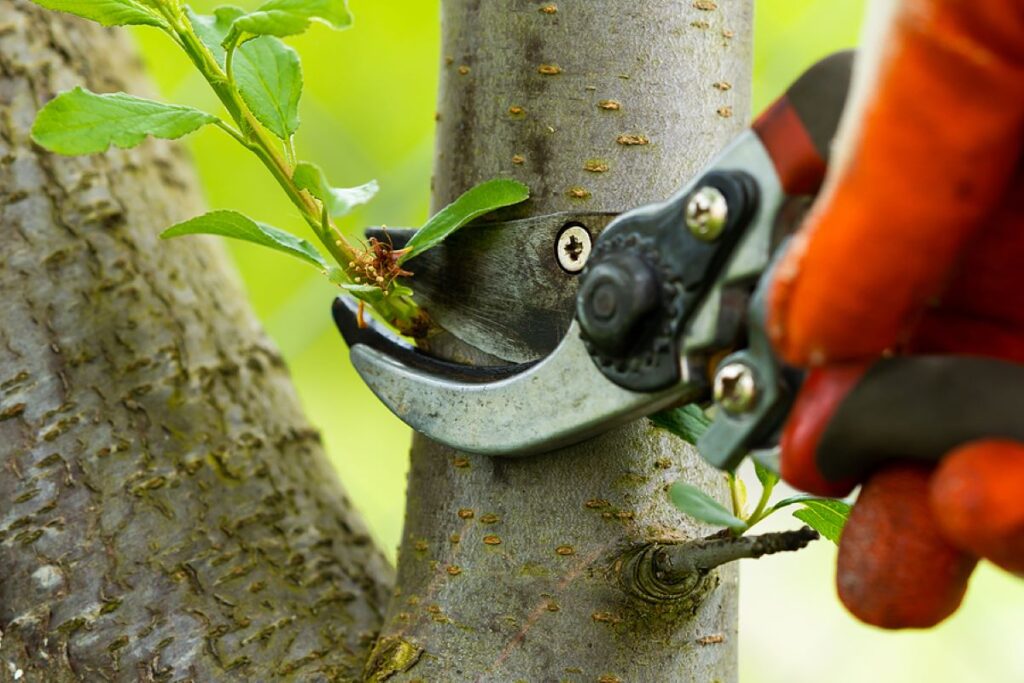
tree removal

Seasonal Tree Care Tips From Experts in Tree Pruning Sydney

What follows is a practical, season-by-season guide written in the same order many arborists plan annual tree care.

What should they do in autumn to prepare trees for tougher weather?

They should focus on cleanup, light risk reduction, and soil preparation before winter and storm season patterns set in. Autumn is also when pests and disease symptoms can become easier to spot as growth slows.

They can remove dead twigs, broken branches, and hanging limbs that may tear in wind. They should avoid heavy pruning unless there is a safety issue, because many trees still respond with new growth that may not harden off in time.

They can also improve tree resilience by reducing competition at the base. Clearing grass and weeds from the drip line and adding mulch helps stabilise soil moisture going into cooler months.

How can they mulch and water correctly as temperatures drop?

They should aim for consistent moisture, not constant wetness. In many Sydney suburbs, autumn can swing between dry spells and sudden rain, so the goal is to avoid extremes.

They can apply 5–8 cm of coarse mulch, keeping it pulled back 10–15 cm from the trunk to prevent rot and pests. Mulch should extend as wide as practical under the canopy, because feeder roots are usually out near the drip line.

Watering should be deep and infrequent, adjusted after rain. If soil is still moist 10 cm below the surface, they can hold off rather than topping up “just in case.”

What should they check in winter when growth slows down?

They should treat winter as inspection season. With fewer leaves, structure is easier to see, and defects are easier to identify before spring growth adds weight and wind resistance.

They can look for crossing branches, tight V-shaped unions, cracks, and old pruning cuts that never sealed well. Fungal bodies at the base, soft cavities, or sudden bark loss are also signs they should escalate to a qualified arborist.

Winter is also when they can plan formative pruning for young trees. Correcting structure early often prevents expensive removals and major cuts later.

When should they avoid pruning in winter in Sydney?

When planning tree pruning Sydney properties require, professionals should avoid pruning species that bleed heavily or respond poorly in cold, wet conditions, especially if it increases the risk of dieback or disease entry. Tree pruning Sydney experts also avoid making large cuts during periods of frequent rain, as excess moisture can raise the chance of fungal infection on fresh wounds.

Safety always comes first in tree pruning Sydney jobs, so deadwood and obvious hazards can still be removed when necessary. Beyond that, experienced arborists match timing to the species, site conditions, and the tree’s current stress level.

If unsure, tree pruning Sydney work during winter is best approached as “small and strategic” rather than “heavy and cosmetic.”

What should they do in spring to support safe, healthy growth?

They should prioritise structure, clearance, and early intervention. Spring growth can be fast in Sydney, and problems become harder to correct once branches thicken and weight increases.

They can prune to reduce rubbing branches, improve spacing, and keep growth away from roofs, gutters, and powerlines. They should keep cuts clean, targeted, and limited, because over-pruning can trigger weak epicormic shoots that snap later.

Spring is also when they can reassess staking on young trees. If a tree stands on its own, removing stakes helps it build trunk strength and better taper.

How can they manage pests and diseases before they spread?

They should watch for early signs rather than waiting for obvious damage. Chewed leaves, sticky residue, sooty mould, curled new growth, and sudden leaf drop can all signal an issue.

They can start with simple steps like improving airflow through light thinning, removing affected plant material, and reducing water stress. Many pest outbreaks are worse on stressed trees, so steady moisture and mulching often help more than people expect.

They should avoid blanket chemical treatments without identification. If symptoms persist, an arborist or plant health specialist can confirm the cause and recommend targeted options.

What should they do in summer to reduce storm damage and heat stress?

They should focus on stability and hydration rather than aggressive cutting. Sydney summers bring heat spikes and storm bursts, and trees fail more often when they are dry, top-heavy, or already compromised.

They can water deeply during heatwaves, ideally early morning, and prioritise young trees and recently planted stock. They can also top up mulch if it has thinned, because mulch reduces evaporation and protects surface roots.

Pruning in summer should be minimal and safety-led. Removing heavy limbs at the wrong time can expose inner canopy to sunburn and increase stress.

How should they respond after storms without making problems worse?

They should treat storm damage like first aid. The goal is to remove immediate hazards and prevent tearing from getting worse, not to “fix” everything in one go.

They can carefully remove hanging branches and make clean cuts back to a suitable junction where possible. They should not paint wounds, flush-cut into the trunk, or leave long stubs, because both practices can slow natural compartmentalisation.

If a tree is split, leaning, or has lifted soil around the base, they should keep people clear and call a qualified arborist. Those are stability issues, not DIY jobs.

What pruning principles do Sydney experts follow all year?

They typically prioritise tree biology and risk management over appearance. The most common expert approach is to prune for strong structure, good clearance, and long-term stability with the fewest cuts needed.

They usually avoid topping, because it creates weak regrowth and higher failure risk. They also avoid removing more than about 20–25% of the canopy in one season for most trees, unless safety requires otherwise.

They choose pruning points that respect branch collars, because correct cuts seal better and reduce decay spread over time.
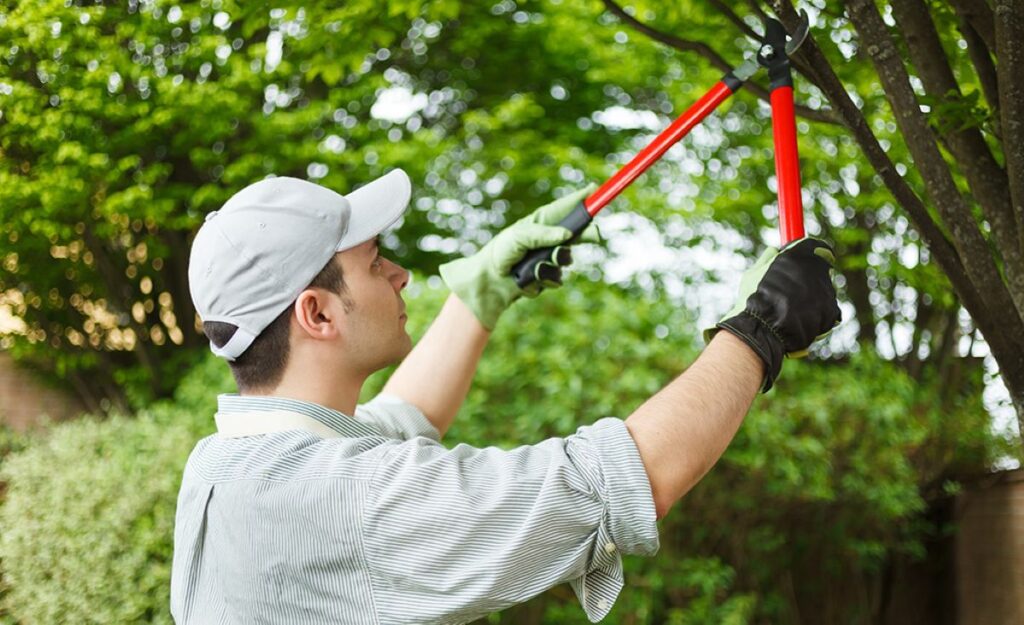
Tree Pruning Sydney

When should they call professionals for tree pruning in Sydney?

They should call professionals when work involves height, heavy limbs, powerline proximity, or any sign the tree may be unstable. They should also escalate when pruning requires climbing, rigging, chainsaws off the ground, or traffic control.

They can also benefit from expert input when trees show persistent dieback, fungal activity, cavities, or sudden changes in lean. In many cases, early assessment prevents removals, property damage, and disputes with neighbours.

If they want the simplest rule: if a mistake could injure someone or damage property, it is professional territory.

More to Read : Expert Advice on Maintaining Dense Privacy Hedges With Hedge Trimming Sydney

FAQs (Frequently Asked Questions)

What tree care tasks should Sydney homeowners focus on during autumn?

In autumn, Sydney homeowners should concentrate on cleanup, light risk reduction, and soil preparation to prepare trees for winter and storm seasons. This includes removing dead twigs, broken branches, and hanging limbs that might tear in wind, avoiding heavy pruning unless for safety, clearing grass and weeds from the drip line, and adding mulch to stabilize soil moisture.

How can proper mulching and watering practices benefit trees as temperatures drop in Sydney?

As temperatures drop, aiming for consistent moisture rather than constant wetness is key. Applying 5–8 cm of coarse mulch pulled back 10–15 cm from the trunk prevents rot and pests, while extending mulch under the canopy supports feeder roots. Watering should be deep and infrequent, adjusted after rain to avoid overwatering when soil remains moist below the surface.

Why is winter considered an important season for tree inspection in Sydney?

Winter slows tree growth and reduces foliage, making it easier to inspect structural defects such as crossing branches, tight V-shaped unions, cracks, old pruning cuts that haven’t sealed well, fungal bodies at the base, soft cavities, or sudden bark loss. Early identification allows planning of formative pruning for young trees to prevent costly issues later.

When should pruning be avoided during Sydney’s winter months?

Pruning should be avoided on species that bleed heavily or respond poorly in cold, wet conditions to prevent dieback or disease entry. Large cuts during frequent rain increase fungal infection risks on fresh wounds. While deadwood removal is acceptable for safety, any other pruning should be small and strategic based on species, site conditions, and tree stress levels.

What are key spring pruning practices to support safe and healthy tree growth in Sydney?

In spring, prioritizing structure improvement by reducing rubbing branches and enhancing spacing helps maintain healthy growth. Pruning should be clean, targeted, and limited to avoid triggering weak epicormic shoots. Additionally, reassessing staking on young trees allows removal if they stand independently to build trunk strength.

When is it necessary to call professional arborists for tree pruning in Sydney?

Professional arborists should be contacted when pruning involves height work, heavy limbs near powerlines, unstable trees showing signs like splits or leaning, climbing or rigging requirements, chainsaw use off the ground, or traffic control needs. Also seek expert help if trees exhibit persistent dieback, fungal activity, cavities, or sudden lean changes to ensure safety and prevent property damage.
Tree Removal

North Shore Arborists: Safeguarding Your Landscape with Expert Tree Removal

Trees are an essential part of any landscape, providing shade, beauty, and even improving air quality. However, there are times when tree removal becomes necessary for various reasons. In such cases, it is vital to understand the importance of professional tree removal and the benefits it offers compared to DIY methods.

Understanding the Importance of Professional Tree Removal

Tree removal is a task that should never be taken lightly. It requires expertise, experience, and the right tools to ensure the safety of both the people involved and the surrounding property. While some individuals may consider attempting the removal themselves, the risks involved make it clear that professional arborists are the best choice.

The Risks of DIY Tree Removal

DIY tree removal North Shore may seem like a cost-effective option, but it can be highly dangerous. Not only is there a risk of personal injury, but there is also the potential for property damage. Non-professionals often underestimate the complexity of tree removal, leading to accidents that can have severe consequences.

Additionally, without proper knowledge and training, DIY tree removal can result in damage to adjacent structures, such as fences or buildings. This can lead to costly repairs and legal issues.

Tree Removal

The Benefits of Hiring a Professional Arborist

By hiring a professional arborist from North Shore Arborists, you can rest assured that your tree removal needs will be handled with utmost care and expertise. Here are some key benefits of entrusting the task to experts:

Knowledge and Experience

Arborists have extensive training and experience in tree removal techniques. They understand the biology and structure of different tree species, allowing them to assess potential risks and plan removal strategies accordingly.

Proper Tools and Equipment

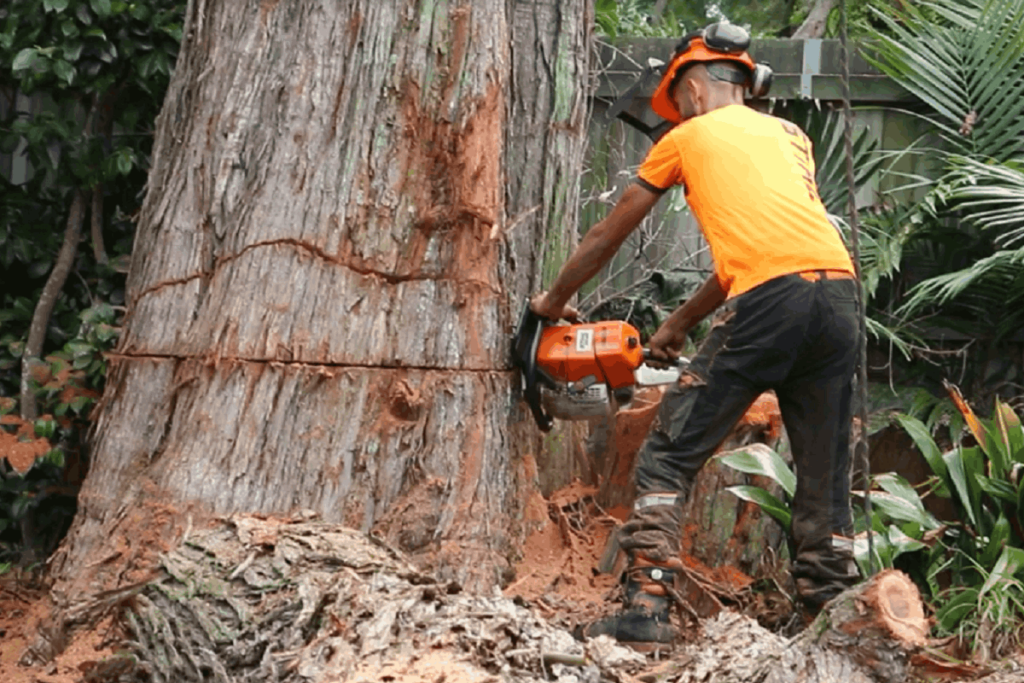
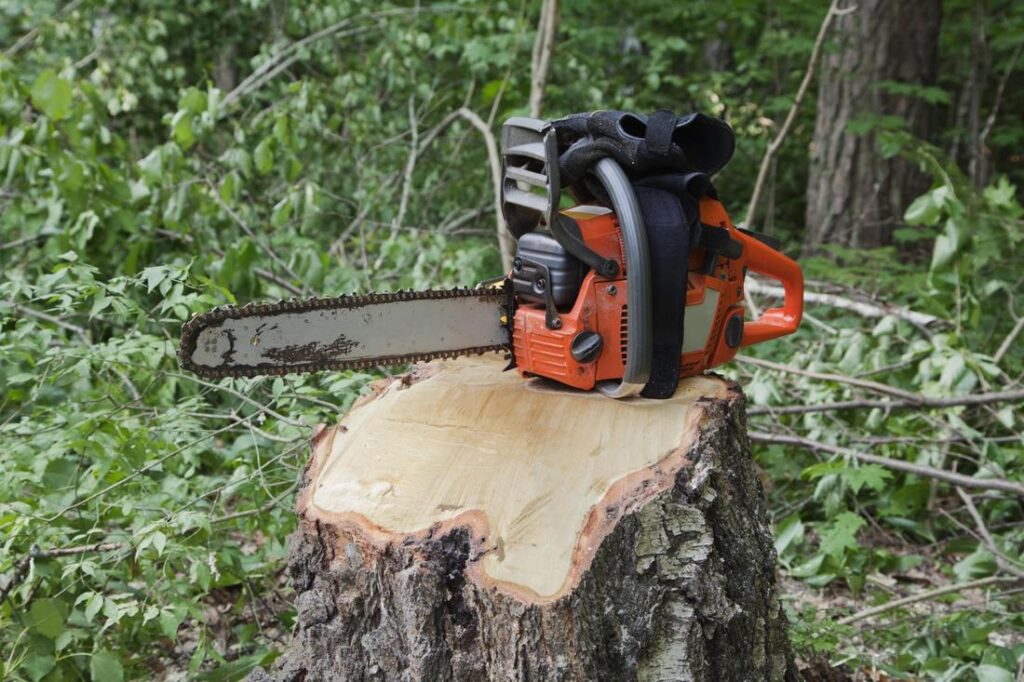
Professional arborists are equipped with specialized tools and equipment to safely and efficiently remove trees. This includes chainsaws, harnesses, and cranes, among others. They also have the necessary safety gear to protect themselves during the removal process.

Licensing and Insurance

Reputable arborists carry the required licenses and insurance to protect their clients and employees. This provides peace of mind knowing that any unlikely incidents or damages will be covered.

Efficiency and Cleanup

Professional arborists not only remove the tree but also handle the cleanup afterward. This includes disposing of branches, leaves, and other debris, leaving your landscape tidy and safe.

Furthermore, professional arborists understand the importance of environmental sustainability. They have the knowledge and expertise to assess whether a tree needs to be removed or if there are alternative solutions that can preserve its health and beauty. They can provide recommendations for tree care and maintenance, ensuring the longevity of your landscape.

When you hire a professional arborist, you are not just getting a tree removal service; you are investing in the well-being of your property and the safety of everyone involved. Their expertise and attention to detail can make a significant difference in the outcome of the removal process.

The Process of Expert Tree Removal

When it comes to tree removal, North Shore Arborists take pride in following a meticulous process that prioritizes both the safety of their team and the preservation of your landscape. Let’s dive deeper into the steps involved in this intricate process.

Initial Assessment and Planning

Prior to any tree removal, the arborists conduct a thorough assessment of the tree’s condition, location, and potential dangers. This assessment goes beyond a mere glance; it involves a careful examination of the tree’s health, identifying any weak branches, disease-prone areas, or signs of pests. By meticulously evaluating these factors, the arborists can formulate a comprehensive removal plan that minimizes risks and maximizes efficiency.

Tree Removal

During this initial assessment, the arborists also take into consideration the surrounding environment. They consider factors such as the proximity of nearby structures, power lines, and other trees. By carefully analyzing these elements, they can determine the best course of action to ensure a safe and efficient removal process.

Execution and Safety Measures

Once the assessment and planning phase is complete, it’s time for the execution of the removal process. This is where the expertise of the arborists truly shines. They take several safety precautions to prevent accidents and ensure a smooth operation.

Before the arborists even ascend the tree, they equip themselves with top-of-the-line safety gear. Harnesses, helmet-mounted communication devices, and other safety equipment are utilized to ensure efficient communication among team members and to provide an added layer of protection. Safety is paramount, and these measures help to mitigate any potential risks.

With safety measures in place, the arborists carefully execute the removal process. They employ specialized techniques to ensure that no damage occurs to nearby structures or the landscape. This level of precision is achieved through years of experience and a deep understanding of tree biology and physics. By skillfully removing the tree, the arborists leave behind a clean and well-maintained landscape.

So, when you entrust North Shore Arborists with your tree removal needs, rest assured that you are in the hands of experts who follow a meticulous process. From the initial assessment and planning to the execution and safety measures, every step is taken with utmost care to ensure the best possible outcome for your property.

How North Shore Arborists Ensure Landscape Safety

North Shore Arborists not only prioritize the removal of the tree but also focus on the safety and well-being of your entire landscape.

Preventing Damage to Surrounding Vegetation

When removing a tree, arborists take measures to protect other vegetation and landscape features. They carefully plan the trajectory of fallen branches and use techniques to minimize ground disruption during removal. This safeguards your existing plants, flowerbeds, and any hardscape elements.

Furthermore, North Shore Arborists understand the importance of preserving the delicate balance of your landscape ecosystem. They take into consideration the interdependence of different plant species and their roles in supporting biodiversity. By carefully removing a tree, they ensure that the surrounding vegetation can continue to thrive and contribute to the overall health of your landscape.

Promoting Healthy Growth of Other Trees

After the removal of a tree, the arborists at North Shore Arborists provide guidance and recommendations for the healthy growth of other trees in your landscape. They can suggest suitable replacements, offer pruning advice to ensure proper growth, and diagnose any diseases or pests that may affect the remaining trees.

In addition, North Shore Arborists understand that trees are not just individual entities, but part of a larger ecosystem. They consider the impact of the removed tree on the surrounding trees and their root systems. By analyzing the root patterns and understanding the underground dynamics, they can provide tailored solutions to promote the healthy growth and stability of the remaining trees.

Post-Removal Landscape Care

Once the tree is removed, there are a few key steps that ensure your landscape remains safe and beautiful.

After the tree has been safely removed, North Shore Arborists understands the importance of addressing any remaining stumps. That’s why we offer stump removal and grinding services to eliminate any tripping hazards and enhance the aesthetic appeal of your landscape. Our team of skilled arborists uses specialized equipment to safely remove stumps, leaving your property ready for whatever new plantings or landscaping enhancements you have in mind.

But our commitment to your landscape doesn’t stop there. At North Shore Arborists, we believe in the importance of landscape restoration and maintenance following tree removal. Our knowledgeable arborists will assist you in restoring and maintaining your landscape, ensuring that the removal process doesn’t leave a void in the beauty of your property.

Stump Removal and Grinding

Our stump removal and grinding services not only eliminate potential tripping hazards but also contribute to the overall aesthetics of your landscape. By removing stumps, we create a clean and polished look, allowing your property to shine. Whether you have plans for new plantings or simply want to enjoy a stump-free lawn, our team has the expertise and equipment to get the job done efficiently and effectively.

Tree Removal

Landscape Restoration and Maintenance

At North Shore Arborists, we understand that tree removal can leave a void in your landscape. That’s why our arborists are here to help you restore and maintain the beauty of your property. With their extensive knowledge of local vegetation, our team can recommend suitable replacements that will complement your existing plants and enhance the overall aesthetics of your landscape.

But our commitment to your landscape doesn’t end with restoration. We also offer regular maintenance services to ensure the longevity and health of your new plantings. From pruning and fertilizing to pest control and irrigation, our team will provide the necessary care to keep your landscape thriving.

So, when it comes to post-removal landscape care, trust the experts at North Shore Arborists. With our stump removal and grinding services, as well as our landscape restoration and maintenance expertise, we’ll help you create a safe and beautiful outdoor space that you can enjoy for years to come.

Frequently Asked Questions about Tree Removal

At North Shore Arborists, we understand that our clients often have questions regarding tree removal. Here are some of the most common inquiries we receive:

When is the Right Time for Tree Removal?

The timing for tree removal can vary based on several factors. Generally, it is best to remove trees during their dormant season, such as late fall or early winter. During this period, the tree is less likely to be affected by pests or diseases, and the ground is often easier to work with.

How to Choose a Reliable Arborist?

Choosing a reliable arborist is crucial for the success of your tree removal project. Here are a few tips to ensure you make the right choice:

  • Verify credentials and certifications, ensuring the arborist is qualified for the job.
  • Check for proper licensing and insurance to protect yourself and your property.
  • Read client reviews and testimonials to gauge their reputation and customer satisfaction.
  • Request a detailed estimate and evaluate the arborist’s pricing and services offered.
  • Ensure the arborist follows proper safety protocols and has the necessary equipment.

By following these guidelines, you can hire a reliable arborist who will provide exceptional tree removal services while safeguarding your landscape and property.

Furthermore, it is important to consider the environmental impact of tree removal. At North Shore Arborists, we prioritize sustainability and conservation. Our arborists are trained to assess the health and condition of trees before recommending removal. We always explore alternative solutions, such as pruning or cabling, to preserve trees whenever possible. Our team is dedicated to maintaining the natural beauty of your landscape while ensuring the safety of your property.

In addition, our arborists are well-versed in local regulations and permits required for tree removal. We will assist you in navigating the necessary paperwork and obtaining the appropriate permissions. Our goal is to make the tree removal process as seamless and stress-free as possible for our clients.

In conclusion, when it comes to tree removal, hiring professional arborists like North Shore Arborists is the safest and most effective choice. Their expertise, experience, and commitment to landscape safety ensure that your trees are removed efficiently, leaving behind a beautiful and protected landscape. Trust the experts to safeguard your landscape with expert tree removal.

See Also: The Benefits of Professional Green Waste Removal Services