tree removal

Seasonal Tree Care Tips From Experts in Tree Pruning Sydney

What follows is a practical, season-by-season guide written in the same order many arborists plan annual tree care.

What should they do in autumn to prepare trees for tougher weather?

They should focus on cleanup, light risk reduction, and soil preparation before winter and storm season patterns set in. Autumn is also when pests and disease symptoms can become easier to spot as growth slows.

They can remove dead twigs, broken branches, and hanging limbs that may tear in wind. They should avoid heavy pruning unless there is a safety issue, because many trees still respond with new growth that may not harden off in time.

They can also improve tree resilience by reducing competition at the base. Clearing grass and weeds from the drip line and adding mulch helps stabilise soil moisture going into cooler months.

How can they mulch and water correctly as temperatures drop?

They should aim for consistent moisture, not constant wetness. In many Sydney suburbs, autumn can swing between dry spells and sudden rain, so the goal is to avoid extremes.

They can apply 5–8 cm of coarse mulch, keeping it pulled back 10–15 cm from the trunk to prevent rot and pests. Mulch should extend as wide as practical under the canopy, because feeder roots are usually out near the drip line.

Watering should be deep and infrequent, adjusted after rain. If soil is still moist 10 cm below the surface, they can hold off rather than topping up “just in case.”

What should they check in winter when growth slows down?

They should treat winter as inspection season. With fewer leaves, structure is easier to see, and defects are easier to identify before spring growth adds weight and wind resistance.

They can look for crossing branches, tight V-shaped unions, cracks, and old pruning cuts that never sealed well. Fungal bodies at the base, soft cavities, or sudden bark loss are also signs they should escalate to a qualified arborist.

Winter is also when they can plan formative pruning for young trees. Correcting structure early often prevents expensive removals and major cuts later.

When should they avoid pruning in winter in Sydney?

When planning tree pruning Sydney properties require, professionals should avoid pruning species that bleed heavily or respond poorly in cold, wet conditions, especially if it increases the risk of dieback or disease entry. Tree pruning Sydney experts also avoid making large cuts during periods of frequent rain, as excess moisture can raise the chance of fungal infection on fresh wounds.

Safety always comes first in tree pruning Sydney jobs, so deadwood and obvious hazards can still be removed when necessary. Beyond that, experienced arborists match timing to the species, site conditions, and the tree’s current stress level.

If unsure, tree pruning Sydney work during winter is best approached as “small and strategic” rather than “heavy and cosmetic.”

What should they do in spring to support safe, healthy growth?

They should prioritise structure, clearance, and early intervention. Spring growth can be fast in Sydney, and problems become harder to correct once branches thicken and weight increases.

They can prune to reduce rubbing branches, improve spacing, and keep growth away from roofs, gutters, and powerlines. They should keep cuts clean, targeted, and limited, because over-pruning can trigger weak epicormic shoots that snap later.

Spring is also when they can reassess staking on young trees. If a tree stands on its own, removing stakes helps it build trunk strength and better taper.

How can they manage pests and diseases before they spread?

They should watch for early signs rather than waiting for obvious damage. Chewed leaves, sticky residue, sooty mould, curled new growth, and sudden leaf drop can all signal an issue.

They can start with simple steps like improving airflow through light thinning, removing affected plant material, and reducing water stress. Many pest outbreaks are worse on stressed trees, so steady moisture and mulching often help more than people expect.

They should avoid blanket chemical treatments without identification. If symptoms persist, an arborist or plant health specialist can confirm the cause and recommend targeted options.

What should they do in summer to reduce storm damage and heat stress?

They should focus on stability and hydration rather than aggressive cutting. Sydney summers bring heat spikes and storm bursts, and trees fail more often when they are dry, top-heavy, or already compromised.

They can water deeply during heatwaves, ideally early morning, and prioritise young trees and recently planted stock. They can also top up mulch if it has thinned, because mulch reduces evaporation and protects surface roots.

Pruning in summer should be minimal and safety-led. Removing heavy limbs at the wrong time can expose inner canopy to sunburn and increase stress.

How should they respond after storms without making problems worse?

They should treat storm damage like first aid. The goal is to remove immediate hazards and prevent tearing from getting worse, not to “fix” everything in one go.

They can carefully remove hanging branches and make clean cuts back to a suitable junction where possible. They should not paint wounds, flush-cut into the trunk, or leave long stubs, because both practices can slow natural compartmentalisation.

If a tree is split, leaning, or has lifted soil around the base, they should keep people clear and call a qualified arborist. Those are stability issues, not DIY jobs.

What pruning principles do Sydney experts follow all year?

They typically prioritise tree biology and risk management over appearance. The most common expert approach is to prune for strong structure, good clearance, and long-term stability with the fewest cuts needed.

They usually avoid topping, because it creates weak regrowth and higher failure risk. They also avoid removing more than about 20–25% of the canopy in one season for most trees, unless safety requires otherwise.

They choose pruning points that respect branch collars, because correct cuts seal better and reduce decay spread over time.
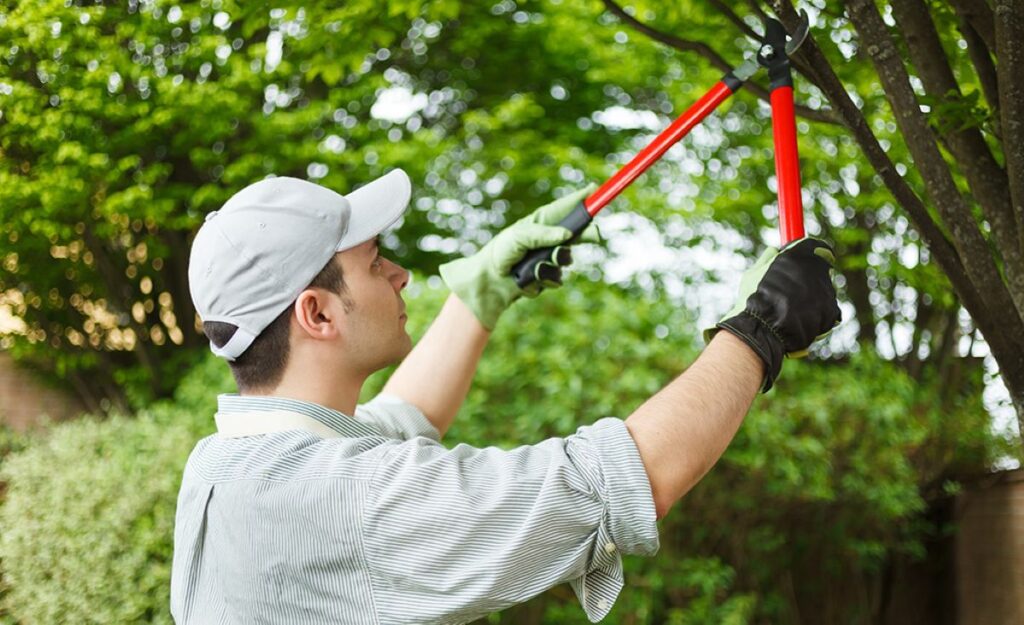
Tree Pruning Sydney

When should they call professionals for tree pruning in Sydney?

They should call professionals when work involves height, heavy limbs, powerline proximity, or any sign the tree may be unstable. They should also escalate when pruning requires climbing, rigging, chainsaws off the ground, or traffic control.

They can also benefit from expert input when trees show persistent dieback, fungal activity, cavities, or sudden changes in lean. In many cases, early assessment prevents removals, property damage, and disputes with neighbours.

If they want the simplest rule: if a mistake could injure someone or damage property, it is professional territory.

More to Read : Expert Advice on Maintaining Dense Privacy Hedges With Hedge Trimming Sydney

FAQs (Frequently Asked Questions)

What tree care tasks should Sydney homeowners focus on during autumn?

In autumn, Sydney homeowners should concentrate on cleanup, light risk reduction, and soil preparation to prepare trees for winter and storm seasons. This includes removing dead twigs, broken branches, and hanging limbs that might tear in wind, avoiding heavy pruning unless for safety, clearing grass and weeds from the drip line, and adding mulch to stabilize soil moisture.

How can proper mulching and watering practices benefit trees as temperatures drop in Sydney?

As temperatures drop, aiming for consistent moisture rather than constant wetness is key. Applying 5–8 cm of coarse mulch pulled back 10–15 cm from the trunk prevents rot and pests, while extending mulch under the canopy supports feeder roots. Watering should be deep and infrequent, adjusted after rain to avoid overwatering when soil remains moist below the surface.

Why is winter considered an important season for tree inspection in Sydney?

Winter slows tree growth and reduces foliage, making it easier to inspect structural defects such as crossing branches, tight V-shaped unions, cracks, old pruning cuts that haven’t sealed well, fungal bodies at the base, soft cavities, or sudden bark loss. Early identification allows planning of formative pruning for young trees to prevent costly issues later.

When should pruning be avoided during Sydney’s winter months?

Pruning should be avoided on species that bleed heavily or respond poorly in cold, wet conditions to prevent dieback or disease entry. Large cuts during frequent rain increase fungal infection risks on fresh wounds. While deadwood removal is acceptable for safety, any other pruning should be small and strategic based on species, site conditions, and tree stress levels.

What are key spring pruning practices to support safe and healthy tree growth in Sydney?

In spring, prioritizing structure improvement by reducing rubbing branches and enhancing spacing helps maintain healthy growth. Pruning should be clean, targeted, and limited to avoid triggering weak epicormic shoots. Additionally, reassessing staking on young trees allows removal if they stand independently to build trunk strength.

When is it necessary to call professional arborists for tree pruning in Sydney?

Professional arborists should be contacted when pruning involves height work, heavy limbs near powerlines, unstable trees showing signs like splits or leaning, climbing or rigging requirements, chainsaw use off the ground, or traffic control needs. Also seek expert help if trees exhibit persistent dieback, fungal activity, cavities, or sudden lean changes to ensure safety and prevent property damage.
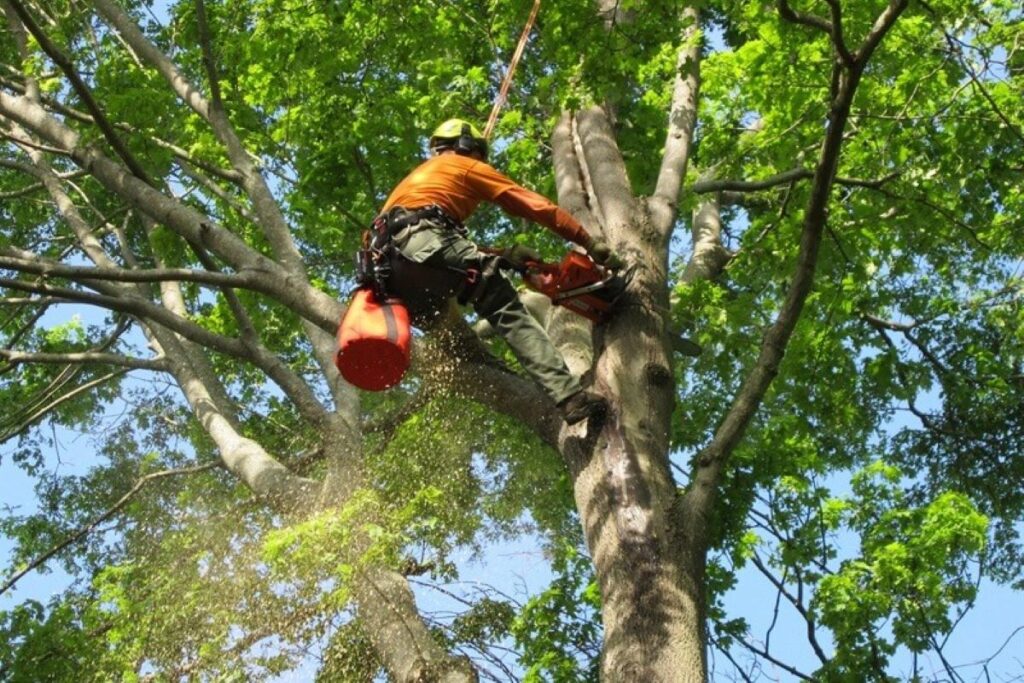
Arborist Killara

Arborist Killara how local specialists maintain healthy hedges and tall trees

Why Arborists in Killara Are Essential for Maintaining Healthy Hedges and Tall Trees

Arborist Killara specialists are like guardians of the suburb’s urban forest, making sure both hedges and tall trees are well taken care of. They do this by using their expert knowledge and skills to figure out any plant health problems, stop diseases from spreading, and take action to protect the natural environment.

The Importance of Professional Tree Care

When it comes to taking care of trees, it’s best to leave it to the professionals. Here are a few reasons why:

  • Preventing Common Problems: Untrained individuals may unknowingly make mistakes that can harm the tree. For example, improper pruning techniques can weaken the structure of the tree and create openings for pests to enter.
  • Understanding Growth Patterns: Each tree species has its own unique growth pattern and requirements. Qualified arborist Killara have a deep understanding of these factors, allowing them to determine the best time for intervention.
  • Meeting Seasonal Needs: Trees have specific needs during different seasons. Whether it’s fertilisation in spring or pest control in summer, experienced arborists know how to meet these seasonal requirements.

How Local Specialists Maintain Healthy Hedges and Tall Trees

In this article, we will explore how local specialists maintain healthy hedges and tall trees through:

  1. Comprehensive service offerings from pruning to emergency response
  2. Safety protocols that protect property during operations
  3. Regulatory compliance with council requirements
  4. Sustainable practices including waste recycling
  5. Expert consulting for health assessments

The combination of their qualifications, experience, and knowledge about the local area makes them invaluable for Killara residents who want to protect their landscape investments.

How Do Arborists in Killara Provide Their Services to Maintain Healthy Hedges and Tall Trees?

Arborist services Killara specialists deliver comprehensive care through targeted interventions that address specific plant needs. For instance, tree pruning removes dead, diseased, or crossing branches to improve structure and airflow, reducing disease risk whilst encouraging vigorous new growth. On the other hand, hedge trimming maintains shape and density, preventing overgrowth that can harbour pests or block sunlight from reaching inner foliage.

Tree removal becomes necessary when specimens pose safety hazards or suffer from irreversible decline. Qualified professionals assess each situation individually, determining whether selective pruning or complete extraction serves the property best. Stump grinding eliminates remaining root systems after tree removal, preventing regrowth and creating usable space.

Tree lopping addresses height concerns for specimens near power lines or structures. Each service connects directly to plant vitality—proper cuts heal faster, reducing infection points. Removing competing branches redirects nutrients to healthier limbs. Regular maintenance prevents structural weaknesses that could cause limb failure during storms, protecting both the tree and surrounding property from damage.

What Safety Measures Do Local Specialists Follow During Tree Care Operations?

Arborist safety protocols in Killara prioritise protecting both property and personnel throughout every operation. Local specialists implement comprehensive risk assessments before commencing work, identifying potential hazards such as overhead power lines, unstable branches, and proximity to structures.

Controlled dismantling represents the gold standard for managing large or hazardous trees. This methodical approach involves:

  • Sectional removal of branches from top to bottom
  • Strategic rigging systems using ropes and pulleys
  • Precision cutting to direct falling timber away from vulnerable areas
  • Ground crew coordination to manage debris safely

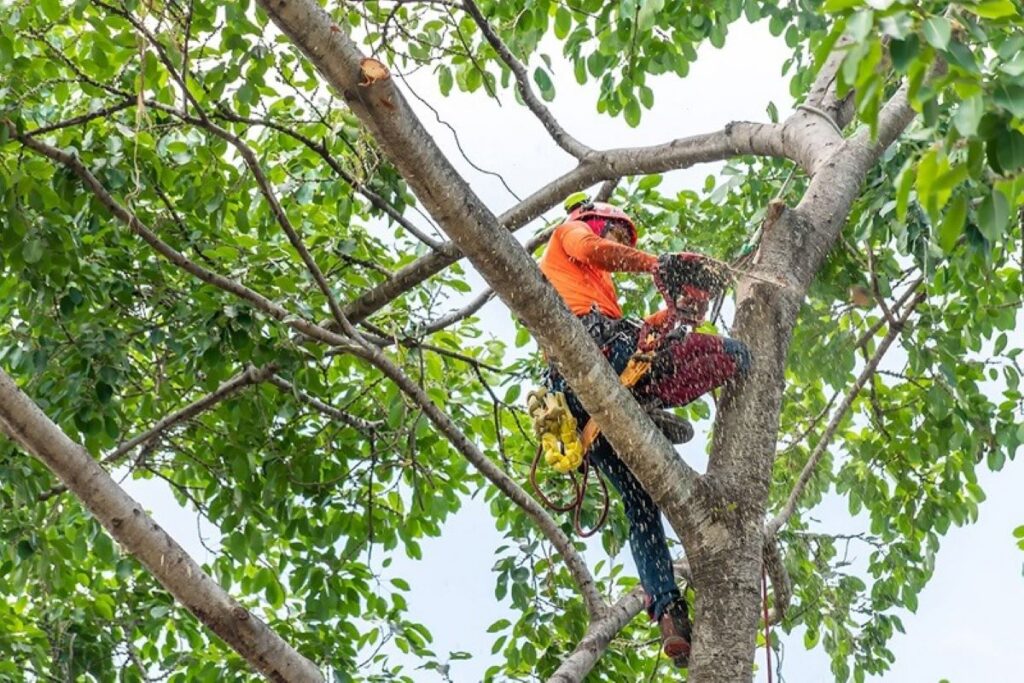
Arborists wear full personal protective equipment including helmets, safety glasses, chainsaw-resistant clothing, and harnesses when working at height. Their fully insured status provides additional peace of mind for property owners.

The systematic nature of controlled dismantling prevents sudden structural failures that could damage fences, buildings, or gardens. Each cut is calculated to maintain tree stability whilst progressively reducing its size, eliminating the risks associated with uncontrolled felling.

What Qualifications and Experience Set Arborists in Killara Apart?

Qualified arborists in Killara hold AQF Level 5 certification, the highest standard in Australian arboriculture training. This advanced qualification demonstrates mastery in tree biology, risk assessment, and complex tree management techniques that go beyond basic tree care.

The certification requires extensive theoretical knowledge combined with practical skills assessment. Arborists must demonstrate competency in:

  • Advanced climbing and rigging techniques
  • Pest and disease identification
  • Soil science and root management
  • Emergency tree work procedures

Over 25 years’ experience in the field separates exceptional practitioners from newcomers. This depth of hands-on work means local specialists have encountered virtually every tree species, condition, and challenge present in Killara’s unique landscape. They understand how native eucalypts respond differently to pruning compared to exotic ornamentals, and recognise subtle signs of decline before they become critical issues.

Arborist Killara how local specialists maintain healthy hedges and tall trees relies on this combination of formal credentials and real-world expertise to deliver consistently superior results.

Arborist Killara

How Do Arborists Promote Tree and Hedge Health Through Pruning Techniques?

Benefits of Tree Pruning

Tree pruning benefits begin with strategic cuts that direct energy toward productive growth while removing diseased, damaged, or crossing branches. Arborists identify weak branch unions and eliminate potential hazards before they compromise structural integrity. Each cut follows the branch collar—the swollen area where branches meet trunks—to facilitate proper wound closure and prevent decay.

Maintaining Hedge Health

Hedge health maintenance requires understanding growth patterns specific to each species. Professionals prune at optimal times during dormant seasons to minimise stress, though flowering hedges receive attention after blooming to preserve next season’s display. The technique involves:

  • Thinning interior branches to improve air circulation and light penetration
  • Shaping outer growth to maintain density without creating bare patches
  • Removing dead material that harbours pests and diseases

Arborists balance visual appeal with biological needs by respecting each plant’s natural form. Rather than forcing geometric shapes onto species unsuited to formal styles, they enhance inherent characteristics. This approach reduces maintenance frequency while supporting vigorous, resilient growth that withstands environmental pressures.

How Are Local Regulations and Environmental Policies Incorporated Into Tree Care Practices?

Do arborists need council approval before starting work? Yes, tree care regulations in Killara require professionals to secure council permits for tree work before pruning or removing protected trees. Local arborists understand Development Control Plans (DCPs) that govern which trees require permission based on size, species, and location.

What makes certain trees legally protected? Heritage-listed trees and threatened species receive special protection under local environmental policies. Arborists identify these protected specimens during initial assessments and guide property owners through the approval process. They document tree health, structural integrity, and any safety concerns that might justify intervention.

How do specialists ensure compliance? Professional arborists maintain current knowledge of Ku-ring-gai Council regulations and NSW environmental legislation. They prepare detailed reports supporting permit applications, including photographs, measurements, and expert recommendations. This documentation demonstrates whether tree preservation remains viable or if removal serves legitimate safety or development purposes.

How Do Arborists Help Residents With Tree Management Legalities?

Local arborists provide essential tree management legal advice Killara residents need when planning work on their properties. These specialists guide homeowners through complex Development Control Plans (DCPs) that govern tree pruning, removal, and maintenance activities in the area.

Professional arborists help residents understand which trees require council permissions DCPs before any work begins. They prepare detailed documentation including:

  • Site assessments showing tree locations and conditions
  • Justification reports explaining why work is necessary
  • Species identification and health evaluations
  • Impact statements on neighbouring properties

Arborist Killara how local specialists maintain healthy hedges and tall trees extends beyond physical work to include administrative support. They submit applications on behalf of property owners, ensuring all required forms meet council standards. This expertise proves invaluable when dealing with protected vegetation or trees in conservation zones, where approval processes become particularly stringent. Their familiarity with local officers and procedures streamlines what would otherwise be a confusing process for residents unfamiliar with regulatory requirements.

How Do Arborists Handle Tree Waste Sustainably In Their Operations?

Arborists in Killara transform tree waste into valuable resources through sustainable tree waste disposal practices. Instead of sending waste to landfill, branches, leaves, and wood debris are processed on-site using specialised chippers that convert material into mulch or wood chips.

This mulching recycling arborists approach delivers multiple environmental benefits:

  • Soil enrichment – Organic mulch returns nutrients to gardens and landscapes
  • Moisture retention – Wood chips help soil retain water during dry periods
  • Weed suppression – Mulch layers reduce unwanted plant growth naturally
  • Carbon reduction – Recycling tree material decreases greenhouse gas emissions from decomposition in landfills

Residents often receive complimentary mulch from their own trees, creating a closed-loop system that supports garden health. Larger timber pieces may be repurposed for firewood or landscaping features. This commitment to sustainable waste management reflects arborists’ broader environmental responsibility, ensuring tree care operations contribute positively to Killara’s ecosystem whilst providing practical benefits for property owners seeking natural soil amendments.

Moreover, the practice of green waste recycling is gaining traction among local arborists. This involves collecting and processing organic waste materials such as grass clippings, leaves, and branches into reusable products. Such efforts not only reduce landfill waste but also promote a healthier environment by returning valuable nutrients back to the soil.

What Do Local Specialists Offer In Killara?

Emergency arborist services Killara specialists provide 24/7 rapid response for hazardous situations. When severe weather strikes or trees become unstable, these professionals arrive quickly to assess and address immediate dangers threatening homes, vehicles, or pedestrians.

1. Storm Damage Tree Care

Storm damage tree care requires immediate attention to prevent further property destruction. Fallen branches, split trunks, or uprooted trees create urgent safety hazards that demand expert intervention. Local arborists bring specialised equipment and trained crews to safely remove dangerous limbs, stabilise compromised trees, or perform complete emergency removals when necessary.

2. Importance of Speedy Response

The speed of response directly impacts the protection of both property and people. Delaying action on a leaning tree or hanging branch increases the risk of collapse, potentially causing injuries or significant structural damage. Killara’s emergency tree specialists understand these time-sensitive situations and prioritise calls involving:

  • Trees leaning dangerously towards buildings
  • Large branches suspended precariously after storms
  • Root systems exposed by soil erosion
  • Trees blocking critical access routes

Professional assessment ensures the safest removal method while minimising additional landscape disruption during already stressful circumstances. You may like to visit https://virginiabeachtreecare.com/when-is-stump-grinding-necessary-after-tree-removal-in-castle-hill/ to get when is stump grinding necessary after tree removal in Castle Hill.

How Does Expert Consulting From Arborists Support Tree Health Assessments?

Arborist consulting Killara services provide detailed professional inspections that evaluate structural integrity, disease presence, and overall vitality of trees. Specialists examine root systems, trunk condition, branch stability, and foliage health to identify potential hazards or declining specimens that require intervention.

Tree health inspection reports document findings with photographic evidence and technical assessments. These comprehensive reports detail specific concerns such as pest infestations, fungal infections, or structural weaknesses that compromise safety. Arborists measure factors including canopy density, growth patterns, and soil conditions to deliver accurate evaluations.

Local authorities often require these professional assessments before approving development applications or tree removal permits. Homeowners benefit from expert guidance on preservation strategies, treatment options, or justified removal recommendations. Arborist Killara how local specialists maintain healthy hedges and tall trees extends beyond physical maintenance to include diagnostic expertise that informs long-term care decisions. Qualified arborists translate complex tree biology into actionable advice, ensuring property owners make informed choices about their landscape assets whilst meeting regulatory obligations.

Arborist Killara

Why Should You Choose a Local Arborist in Killara for Your Tree Care Needs?

Choosing a local arborist in Killara for your tree care needs comes with several advantages:

  1. In-depth knowledge of the area: Local arborists have a deep understanding of the specific tree species, council regulations, and environmental conditions in Killara. This knowledge allows them to provide tailored solutions for your trees.
  2. Professional qualifications: Local specialists hold advanced AQF Level 5 certifications, ensuring they have the necessary skills and expertise to handle various tree care tasks.
  3. Insurance coverage: Local arborists maintain full insurance coverage, giving you peace of mind knowing that every project is protected and meets professional standards.

The Benefits of Professional Tree Care

Professional tree care goes beyond basic maintenance. Here are some benefits you can expect from hiring an experienced arborist:

  • Expertise in navigating complex regulations: Arborists are familiar with Development Control Plans and can navigate through them efficiently. This ensures that any tree work done on your property complies with local regulations.
  • Knowledge of permit requirements: If your tree care project requires permits, arborists can help secure them on your behalf. This saves you time and effort in dealing with bureaucratic processes.
  • Protection of heritage-listed trees: If you have heritage-listed trees on your property, arborists know how to handle them delicately while still carrying out necessary maintenance or removal work.
  • Compliance with threatened species legislation: Arborists are trained to identify and protect threatened species during their work. This ensures that any tree care activities carried out do not harm these vulnerable plants.

How Local Specialists Maintain Healthy Hedges and Tall Trees

Local specialists in Killara have specific methods they use to maintain healthy hedges and tall trees:

  • Commitment to safety protocols: Safety is a top priority for arborists. They follow strict safety protocols when performing tasks such as pruning or removing trees to minimise risks to themselves, your property, and surrounding areas.
  • Environmental responsibility: Arborists are conscious of their impact on the environment. They employ sustainable practices such as recycling waste materials from tree work into mulch instead of sending them to landfills.

Peace of Mind During Storms

Storms can cause significant damage to landscapes, including trees. Here’s how local arborists provide peace of mind during such situations:

  1. Emergency response capabilities: When storms hit, local arborists are equipped to respond quickly to assess damages and carry out necessary repairs or removals.
  2. Expert assessment: With their experience, arborists can accurately assess the extent of storm damage and determine appropriate actions required for recovery.

By choosing a local arborist in Killara, you not only benefit from their expertise but also contribute towards supporting businesses within your community.

FAQs About Arborists in Killara and Tree Care

1. Why are arborists in Killara important for tree and hedge health?
Arborists maintain the health of trees and hedges by preventing diseases, addressing structural issues, and promoting growth through professional care.
2. What services do local arborists provide?
Services include pruning, hedge trimming, tree lopping, stump grinding, tree removal, emergency response, and expert consulting for tree health assessments.
3. How do arborists ensure safety during tree care?
They follow strict safety protocols, use personal protective equipment, perform risk assessments, and employ controlled dismantling techniques for hazardous trees.
4. What qualifications set Killara arborists apart?
Qualified arborists hold AQF Level 5 certification and often have decades of experience, combining theoretical knowledge with hands-on expertise.
5. How do pruning and trimming improve tree and hedge health?
Pruning removes dead or diseased branches, improves airflow and sunlight penetration, and redirects nutrients to healthier growth, while hedge trimming maintains density and shape.
6. Are there local regulations affecting tree care in Killara?
Yes, arborists comply with council permits, Development Control Plans, and environmental policies to protect heritage-listed and threatened species.
7. How do arborists manage tree waste sustainably?
They recycle branches and debris into mulch, wood chips, or firewood, enriching soil, retaining moisture, suppressing weeds, and reducing landfill waste.
8. What emergency services do arborists offer during storms?
Local arborists provide rapid response to dangerous trees or storm damage, stabilising compromised trees and removing hazards efficiently.
9. Why should homeowners choose a local arborist in Killara?
Local arborists offer area-specific knowledge, professional qualifications, insurance coverage, regulatory compliance, and environmentally responsible practices.