
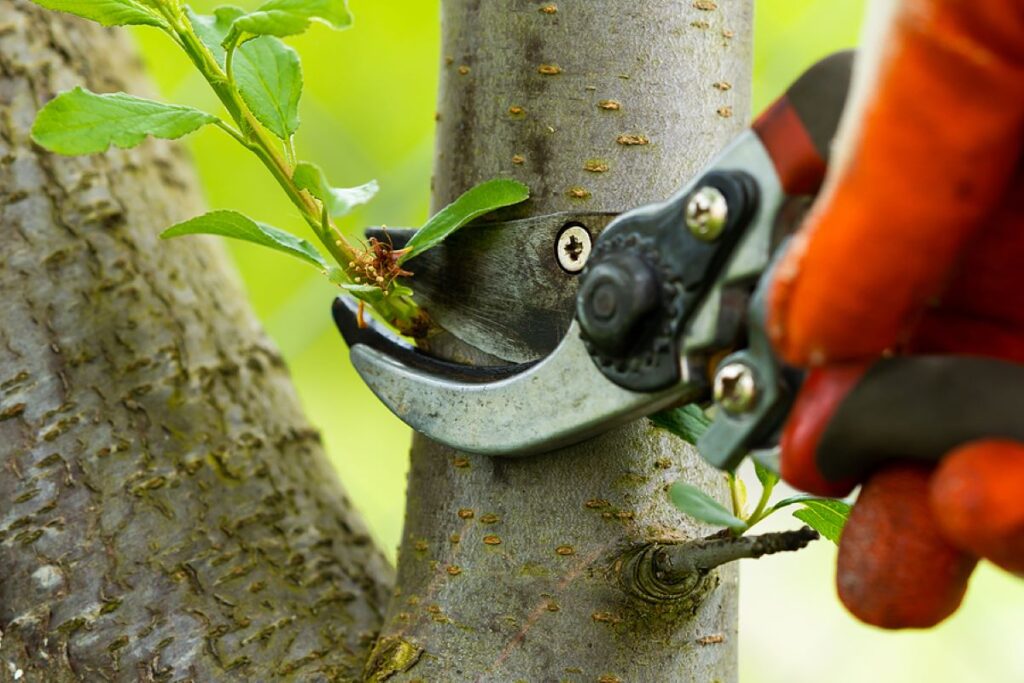
What follows is a practical, season-by-season guide written in the same order many arborists plan annual tree care.
What should they do in autumn to prepare trees for tougher weather?
They should focus on cleanup, light risk reduction, and soil preparation before winter and storm season patterns set in. Autumn is also when pests and disease symptoms can become easier to spot as growth slows.
They can remove dead twigs, broken branches, and hanging limbs that may tear in wind. They should avoid heavy pruning unless there is a safety issue, because many trees still respond with new growth that may not harden off in time.
They can also improve tree resilience by reducing competition at the base. Clearing grass and weeds from the drip line and adding mulch helps stabilise soil moisture going into cooler months.
How can they mulch and water correctly as temperatures drop?
They should aim for consistent moisture, not constant wetness. In many Sydney suburbs, autumn can swing between dry spells and sudden rain, so the goal is to avoid extremes.
They can apply 5–8 cm of coarse mulch, keeping it pulled back 10–15 cm from the trunk to prevent rot and pests. Mulch should extend as wide as practical under the canopy, because feeder roots are usually out near the drip line.
Watering should be deep and infrequent, adjusted after rain. If soil is still moist 10 cm below the surface, they can hold off rather than topping up “just in case.”
What should they check in winter when growth slows down?
They should treat winter as inspection season. With fewer leaves, structure is easier to see, and defects are easier to identify before spring growth adds weight and wind resistance.
They can look for crossing branches, tight V-shaped unions, cracks, and old pruning cuts that never sealed well. Fungal bodies at the base, soft cavities, or sudden bark loss are also signs they should escalate to a qualified arborist.
Winter is also when they can plan formative pruning for young trees. Correcting structure early often prevents expensive removals and major cuts later.
When should they avoid pruning in winter in Sydney?
When planning tree pruning Sydney properties require, professionals should avoid pruning species that bleed heavily or respond poorly in cold, wet conditions, especially if it increases the risk of dieback or disease entry. Tree pruning Sydney experts also avoid making large cuts during periods of frequent rain, as excess moisture can raise the chance of fungal infection on fresh wounds.
Safety always comes first in tree pruning Sydney jobs, so deadwood and obvious hazards can still be removed when necessary. Beyond that, experienced arborists match timing to the species, site conditions, and the tree’s current stress level.
If unsure, tree pruning Sydney work during winter is best approached as “small and strategic” rather than “heavy and cosmetic.”
What should they do in spring to support safe, healthy growth?
They should prioritise structure, clearance, and early intervention. Spring growth can be fast in Sydney, and problems become harder to correct once branches thicken and weight increases.
They can prune to reduce rubbing branches, improve spacing, and keep growth away from roofs, gutters, and powerlines. They should keep cuts clean, targeted, and limited, because over-pruning can trigger weak epicormic shoots that snap later.
Spring is also when they can reassess staking on young trees. If a tree stands on its own, removing stakes helps it build trunk strength and better taper.
How can they manage pests and diseases before they spread?
They should watch for early signs rather than waiting for obvious damage. Chewed leaves, sticky residue, sooty mould, curled new growth, and sudden leaf drop can all signal an issue.
They can start with simple steps like improving airflow through light thinning, removing affected plant material, and reducing water stress. Many pest outbreaks are worse on stressed trees, so steady moisture and mulching often help more than people expect.
They should avoid blanket chemical treatments without identification. If symptoms persist, an arborist or plant health specialist can confirm the cause and recommend targeted options.
What should they do in summer to reduce storm damage and heat stress?
They should focus on stability and hydration rather than aggressive cutting. Sydney summers bring heat spikes and storm bursts, and trees fail more often when they are dry, top-heavy, or already compromised.
They can water deeply during heatwaves, ideally early morning, and prioritise young trees and recently planted stock. They can also top up mulch if it has thinned, because mulch reduces evaporation and protects surface roots.
Pruning in summer should be minimal and safety-led. Removing heavy limbs at the wrong time can expose inner canopy to sunburn and increase stress.
How should they respond after storms without making problems worse?
They should treat storm damage like first aid. The goal is to remove immediate hazards and prevent tearing from getting worse, not to “fix” everything in one go.
They can carefully remove hanging branches and make clean cuts back to a suitable junction where possible. They should not paint wounds, flush-cut into the trunk, or leave long stubs, because both practices can slow natural compartmentalisation.
If a tree is split, leaning, or has lifted soil around the base, they should keep people clear and call a qualified arborist. Those are stability issues, not DIY jobs.
What pruning principles do Sydney experts follow all year?
They typically prioritise tree biology and risk management over appearance. The most common expert approach is to prune for strong structure, good clearance, and long-term stability with the fewest cuts needed.
They usually avoid topping, because it creates weak regrowth and higher failure risk. They also avoid removing more than about 20–25% of the canopy in one season for most trees, unless safety requires otherwise.
They choose pruning points that respect branch collars, because correct cuts seal better and reduce decay spread over time.
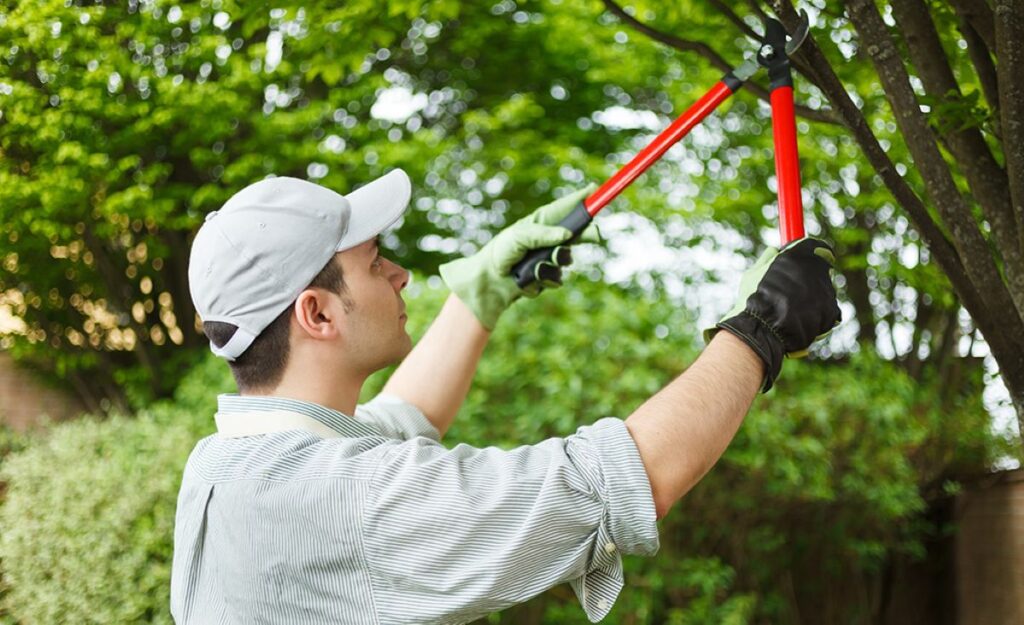
When should they call professionals for tree pruning in Sydney?
They should call professionals when work involves height, heavy limbs, powerline proximity, or any sign the tree may be unstable. They should also escalate when pruning requires climbing, rigging, chainsaws off the ground, or traffic control.
They can also benefit from expert input when trees show persistent dieback, fungal activity, cavities, or sudden changes in lean. In many cases, early assessment prevents removals, property damage, and disputes with neighbours.
If they want the simplest rule: if a mistake could injure someone or damage property, it is professional territory.
More to Read : Expert Advice on Maintaining Dense Privacy Hedges With Hedge Trimming Sydney
FAQs (Frequently Asked Questions)
What tree care tasks should Sydney homeowners focus on during autumn?
In autumn, Sydney homeowners should concentrate on cleanup, light risk reduction, and soil preparation to prepare trees for winter and storm seasons. This includes removing dead twigs, broken branches, and hanging limbs that might tear in wind, avoiding heavy pruning unless for safety, clearing grass and weeds from the drip line, and adding mulch to stabilize soil moisture.
How can proper mulching and watering practices benefit trees as temperatures drop in Sydney?
As temperatures drop, aiming for consistent moisture rather than constant wetness is key. Applying 5–8 cm of coarse mulch pulled back 10–15 cm from the trunk prevents rot and pests, while extending mulch under the canopy supports feeder roots. Watering should be deep and infrequent, adjusted after rain to avoid overwatering when soil remains moist below the surface.
Why is winter considered an important season for tree inspection in Sydney?
Winter slows tree growth and reduces foliage, making it easier to inspect structural defects such as crossing branches, tight V-shaped unions, cracks, old pruning cuts that haven’t sealed well, fungal bodies at the base, soft cavities, or sudden bark loss. Early identification allows planning of formative pruning for young trees to prevent costly issues later.
When should pruning be avoided during Sydney’s winter months?
Pruning should be avoided on species that bleed heavily or respond poorly in cold, wet conditions to prevent dieback or disease entry. Large cuts during frequent rain increase fungal infection risks on fresh wounds. While deadwood removal is acceptable for safety, any other pruning should be small and strategic based on species, site conditions, and tree stress levels.
What are key spring pruning practices to support safe and healthy tree growth in Sydney?
In spring, prioritizing structure improvement by reducing rubbing branches and enhancing spacing helps maintain healthy growth. Pruning should be clean, targeted, and limited to avoid triggering weak epicormic shoots. Additionally, reassessing staking on young trees allows removal if they stand independently to build trunk strength.
When is it necessary to call professional arborists for tree pruning in Sydney?
Professional arborists should be contacted when pruning involves height work, heavy limbs near powerlines, unstable trees showing signs like splits or leaning, climbing or rigging requirements, chainsaw use off the ground, or traffic control needs. Also seek expert help if trees exhibit persistent dieback, fungal activity, cavities, or sudden lean changes to ensure safety and prevent property damage.