
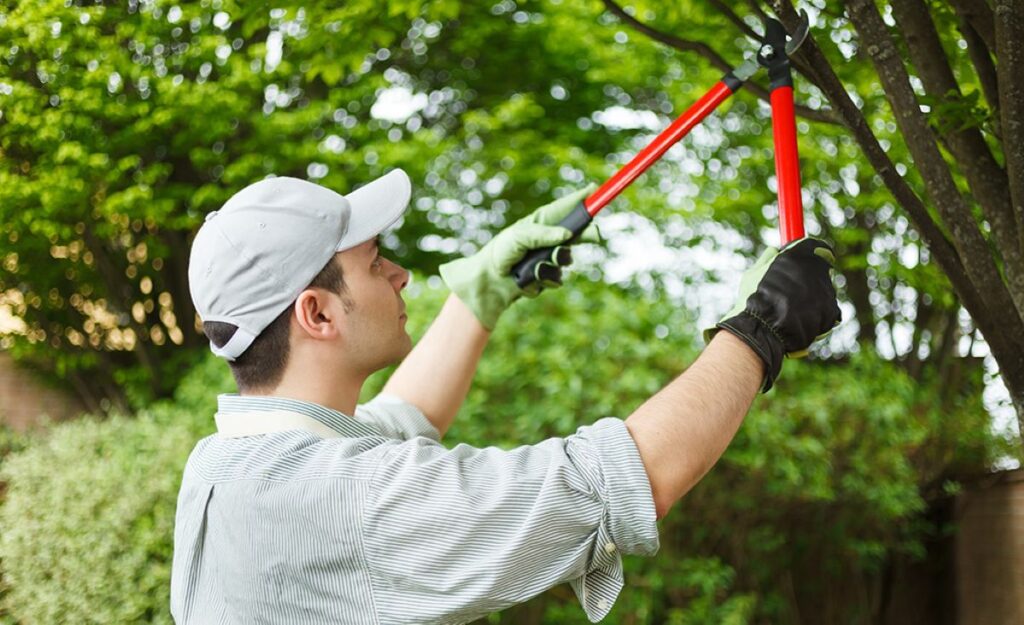
The Strategic Link Between Tree Removal and Property Value
When homeowners think of “landscaping,” they often think of planting. However, for many Australian properties, how tree removal can increase your property value is a much more critical question. In a competitive real estate market, the difference between a “hidden gem” and a “hazel-obscured hazard” often comes down to the management of large-scale vegetation.
Strategic tree removal isn’t just about cutting down wood; it’s an investment in curb appeal, structural integrity, and usable space. Whether you are preparing a home for sale in Sydney or renovating a lifestyle block in Queensland, understanding the ROI of arborist services is essential for a high-value exit strategy.
See more: Seasonal Tree Care Tips From Experts in Tree Pruning Sydney
Why Strategic Tree Removal is a High-ROI Investment
In the context of Australian real estate, trees are assets—until they aren’t. While a healthy, well-placed gum tree provides shade and character, an overgrown or poorly positioned tree can actively detract from a property’s market price.
1. Enhancing Curb Appeal and “The First Look”
The first thing a potential buyer sees is the facade of the home. If a large, unkempt tree obscures the architectural features of the house, it creates a sense of neglect.
- Visual Symmetry: Removing awkward or asymmetrical trees allows the home’s design to shine.
- Light Penetration: Dense canopies can make interiors feel dark and damp. Removing specific trees floods the home with natural light, a top priority for modern buyers.
2. Increasing Usable Square Meterage
In urban areas like Melbourne or Brisbane, land is the most valuable component of the property. A poorly placed tree in the middle of a backyard can render thousands of dollars worth of land unusable.
- Outdoor Living: Removal can create space for a deck, alfresco dining, or a swimming pool.
- Development Potential: For investors, removing trees (within local council regulations) can unlock the potential for granny flats or extensions.
3. Mitigating Structural Risk
Smart buyers hire building inspectors. If a tree’s root system is encroaching on the slab, plumbing, or perimeter walls, it will be flagged as a high-risk liability.
How Tree Removal Can Increase Your Property Value: Best Practices
Maximizing your return requires a surgical approach rather than a “clear-fell” mentality. Here are the best practices for aligning tree removal with property valuation.
Prioritize Safety and Liability
A dead or dying tree is a ticking financial time bomb. In Australia’s storm seasons, these trees pose a risk to the home and neighboring properties. Removing these hazards immediately increases the “insurability” and perceived safety of the home.
Focus on Vista and Views
If your property is located near the coast, mountains, or a city skyline, a tree blocking that view is literally costing you money. “View pruning” or total removal can add significant percentage points to an asking price.
Correcting “Planting Mistakes” of the Past
Many Australian homes built in the 70s and 80s featured species that grow too large for suburban blocks (like certain Ficus or Eucalypt species). Removing these and replacing them with native, non-invasive species demonstrates “smart landscaping.”
| Feature | Impact of Overgrown Trees | Impact After Strategic Removal |
| Natural Light | Dim, shadowed interiors | Bright, airy living spaces |
| Footpath/Driveway | Cracked, uneven surfaces | Clean, safe entryways |
| Gutter Health | Constant blockages/Fire risk | Low maintenance/High safety |
| Buyer Perception | High maintenance “project” | Turn-key, ready-to-move-in |
The Step-by-Step Process for Value-Add Tree Removal
To ensure your tree removal project contributes to a higher valuation, follow this professional framework:
Step 1: Professional Arborist Assessment
Before touching a saw, hire a Level 5 Arborist. They can provide a report on tree health and, more importantly, identify which trees are “protected” under your local council’s Vegetation Management Plan (VMP).
Step 2: Council Approval and Permitting
In Australia, unauthorized removal of protected species can result in five-figure fines. Ensure you have the necessary permits. This paperwork is also a “selling point” to show buyers that all work was done legally.
Step 3: Strategic Removal and Stump Grinding
Never leave a stump behind. A stump is a signal to buyers of “unfinished work” and a potential magnet for termites. Professional stump grinding ensures the land is ready for immediate turfing or paving.
Step 4: Remedial Landscaping
Once the tree is gone, the ground will look bare. Immediate “make-good” work—such as laying fresh Buffalo turf or installing garden beds—is what actually “locks in” the value increase.
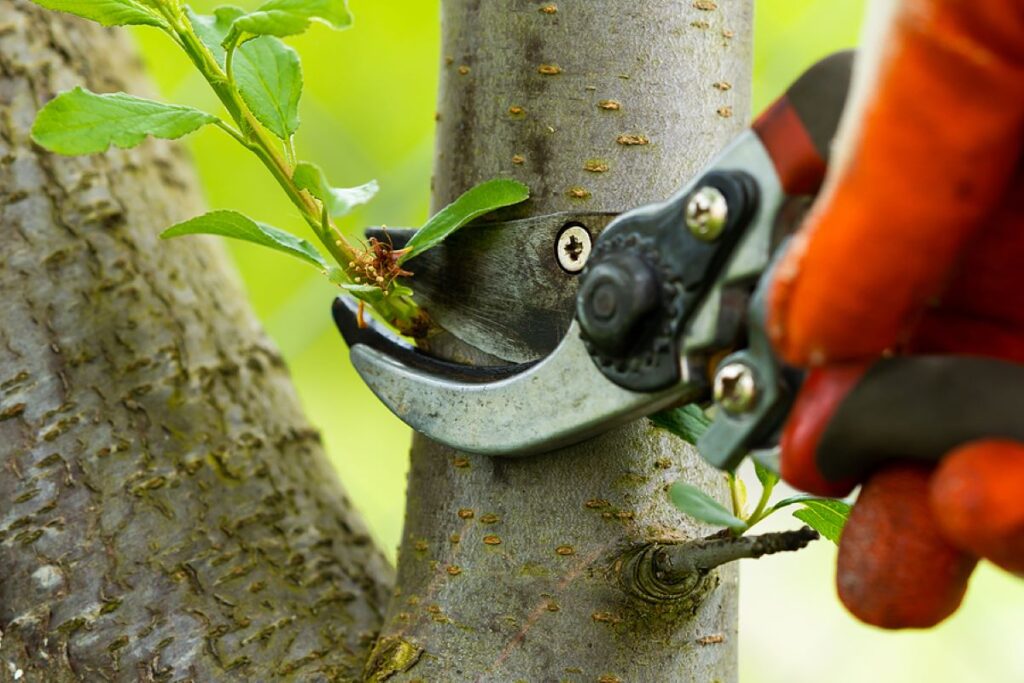
Common Mistakes That Devalue Your Property
Not all tree removal is beneficial. Avoid these pitfalls to protect your equity:
- The “Barren” Look: Removing every single tree can make a property look hot, exposed, and sterile. Retain “hero” trees that provide shade.
- DIY Disasters: Attempting to remove large trees yourself can lead to property damage or personal injury, neither of which helps your ROI.
- Ignoring Council Fines: Selling a house with an unresolved council infringement for illegal clearing is an administrative nightmare that will scare off buyers.
- Leaving the Mess: Professional tree loppers should include mulch removal or site cleaning in their quote. A messy site suggests a lack of care for the property.
Internal Linking & Authority Suggestions
Internal Linking Opportunities (Suggested Anchor Text):
- Professional stump grinding services
- Local council tree removal permits Australia
- Best native Australian trees for small gardens
- Landscaping tips for selling your home
External Authority References:
- Arboriculture Australia: For standards on professional tree care and safety.
- Local Government Association (LGA): Regarding regional tree preservation orders and legal requirements.
FAQ: Tree Removal and Property Value
Does removing a tree always increase property value?
Not always. A healthy, mature tree that provides shade and privacy can add value. However, if the tree is damaging the foundation, blocking views, or is a safety hazard, removing it will almost certainly increase the property’s marketability and value.
How much does tree removal cost in Australia?
Costs vary significantly based on the tree’s height, location, and complexity. Generally, prices range from $500 for small trees to over $5,000 for large, complex removals requiring cranes.
Will I need a permit to remove a tree before selling?
In most Australian suburban areas, yes. Each local council has specific “Tree Preservation Orders.” You should check your local council’s website or consult an arborist before proceeding.
Can I remove a tree myself to save money?
For small ornamental trees, DIY is fine. However, for anything near power lines, fences, or the home, you should hire a professional. The risk of property damage far outweighs the savings.
How does tree removal affect my home insurance?
Removing hazardous trees can lower your risk profile. Many insurers view dead trees as a liability for “impact damage” claims during storm seasons.
Conclusion: Balancing Nature and Net Worth
Understanding how tree removal can increase your property value is about finding the balance between environmental beauty and structural utility. By removing hazardous, invasive, or poorly placed trees, you open up your property to better light, more usable space, and a significantly higher appeal to potential buyers.
If you are planning to sell or simply want to protect your biggest asset, a strategic arborist consultation is the best place to start. Don’t let an overgrown past dictate the future value of your home.